

 Español
 Português
 Deutsch
 Français
 Italiano
 Русский
 日本語
 한국어
 العربية
The transition from 4G LTE to 5G New Radio (NR) represents an unprecedented seismic leap in electrical demand. Procurement directors and RF design engineers face complex design constraints spanning thermal load, power density, and conversion stability.
A standard 4G macro base station with three remote radio units (RRUs) normally draws 800W to 1.5kW under peak operating conditions. In sharp contrast, a 5G macro base station equipped with 64T64R Active Antenna Units (AAUs) consuming ultra-wide bandwidths (100MHz–200MHz) typically surges to 3.5kW–4.8kW per site, tripling power demand. Traditional centralized telecom power rooms struggle with heat concentration and cable transmission resistance losses when sending high current up cellular towers.
Consequently, today's 5G base station power supply must offer exceptional power density, low standby consumption, and rapid transient response. Upgrading the site line from legacy -48V to boost-voltage distributed architectures (-57V DC) eliminates cable losses, while high-efficiency silicon carbide (SiC) and gallium nitride (GaN) switching rectifiers cut conversion losses at ambient site temperatures surpassing 55°C.
Unlike air-conditioned central offices, modern 5G macro and micro base stations are deployed outdoors on utility poles, building facades, and rooftop pylons. Mechanical air filters and maintenance-heavy forced-air cooling fans are eliminated in favor of completely sealed IP65/IP67 enclosures operating via natural convective heat dissipation.
Wenzhou Nuvros Electric Co., Ltd. addresses these harsh deployment realities by engineering power supply rectifiers and embedded power systems with specialized high thermal conductivity potting, die-cast aluminum heat-dissipating fins, wide dynamic input ranges (85V–305V AC), and built-in differential mode 6kV / common mode 10kV surge protection circuits to survive severe lightning-prone environments without interruption.
Explore our best-in-class switching power supplies, high-efficiency rectifiers, and DIN rail modules custom-configured for 5G telecommunication base stations, edge data micro-sites, and PoE networks.
Leading telecom tower companies, mobile network operators (MNOs), and systems integrators are restructuring supply chains around four pivotal technological and commercial shifts.
Purchasing contracts mandate modular sub-rack architectures where individual 3kW or 4kW rectifier modules can be hot-swapped without interrupting the live DC bus. Sourcing teams avoid single point of failure (SPOF) risks and secure lower MTTR metrics for maintenance contractors.
Grid capacity upgrades represent up to 40% of base station CAPEX. Smart rectifiers capable of coordinating with lithium battery energy storage systems (BESS) dynamically cap the utility grid intake during peak traffic, drawing supplementary energy from batteries and cutting grid demand surcharges.
Zero-footprint deployments on urban street lamps and utility poles require blade-type power supplies. Procurement trends show a 45% CAGR surge for ultra-compact, IP65/IP67 rated power units installed alongside AAU antennas, completely eliminating the need for expensive ground land rentals.
Remote operations demand end-to-end site visibility. Procurement specifications require multi-channel communication including isolated RS485, CAN bus, SNMPv3, and MQTT IoT protocols to feed predictive maintenance models and diagnose capacitor aging or load anomalies in real-time.
As networks prepare for 5.5G (5G-Advanced) and early 6G trials, energy efficiency and conversion topologies must evolve. Wenzhou Nuvros Electric Co., Ltd. continuously refines wide-bandgap (WBG) power designs, cutting thermal waste while expanding dynamic power response.
Authoritative technical and commercial answers addressing common engineering inquiries submitted by global procurement officers and network design engineers.
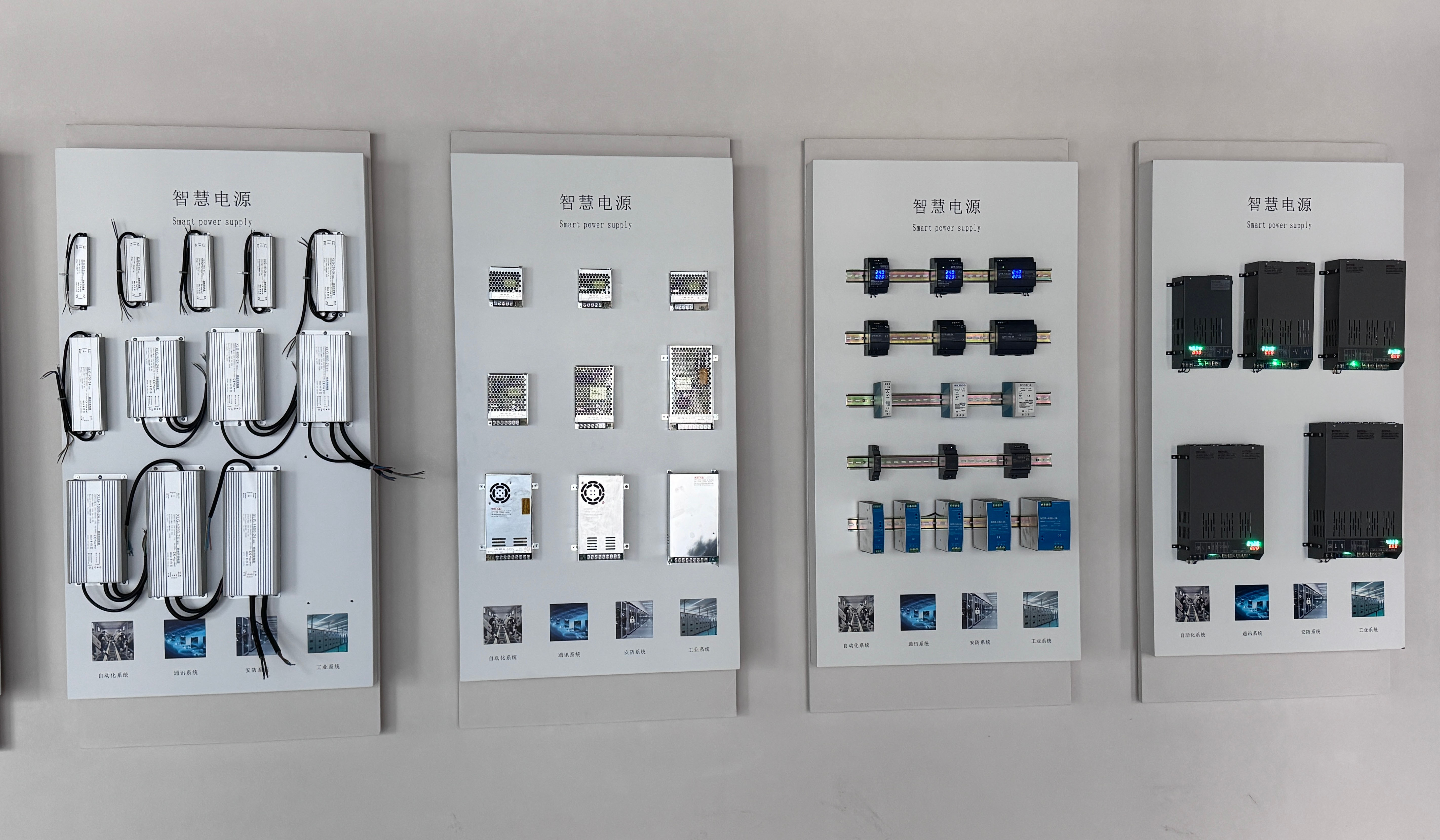
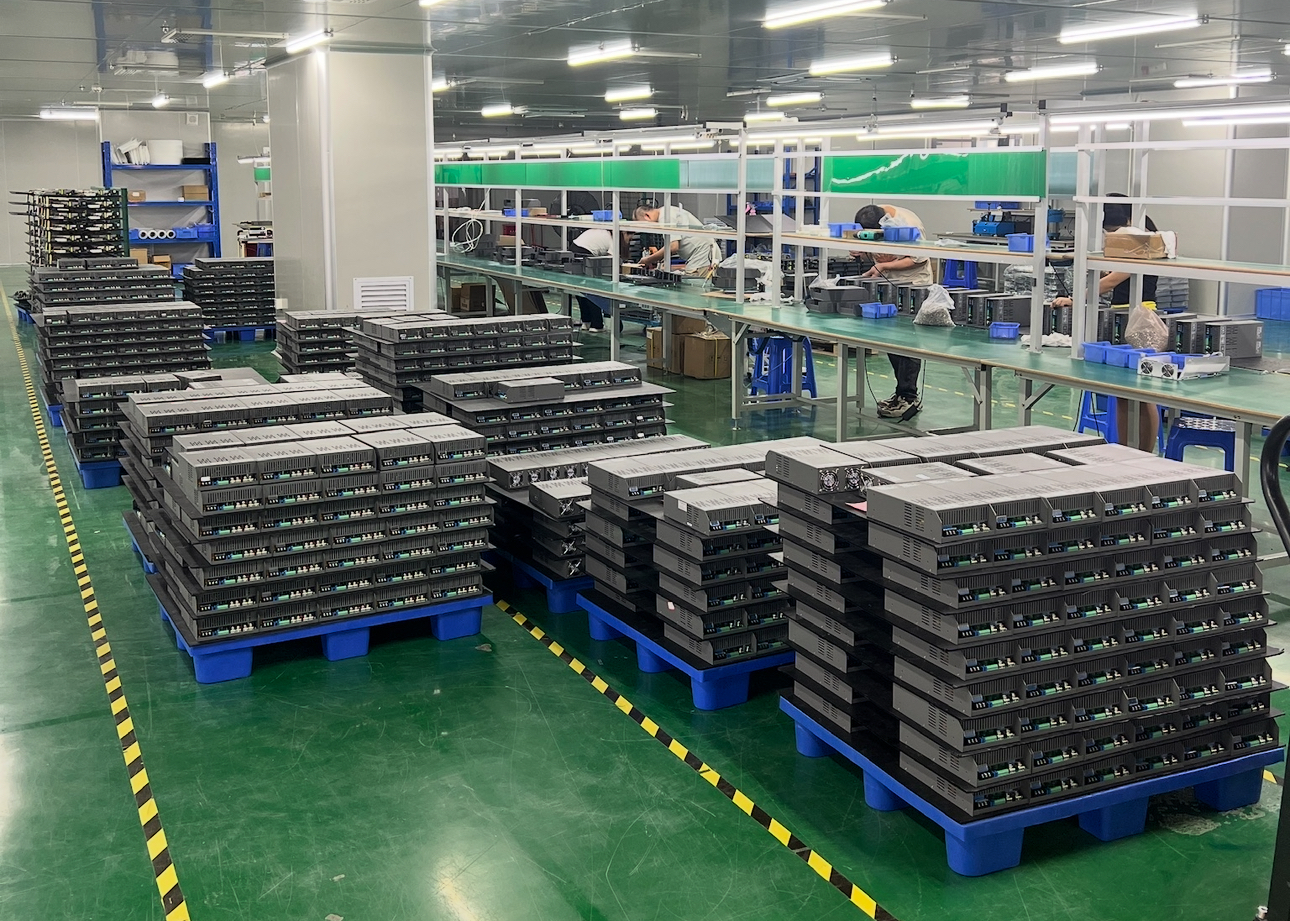
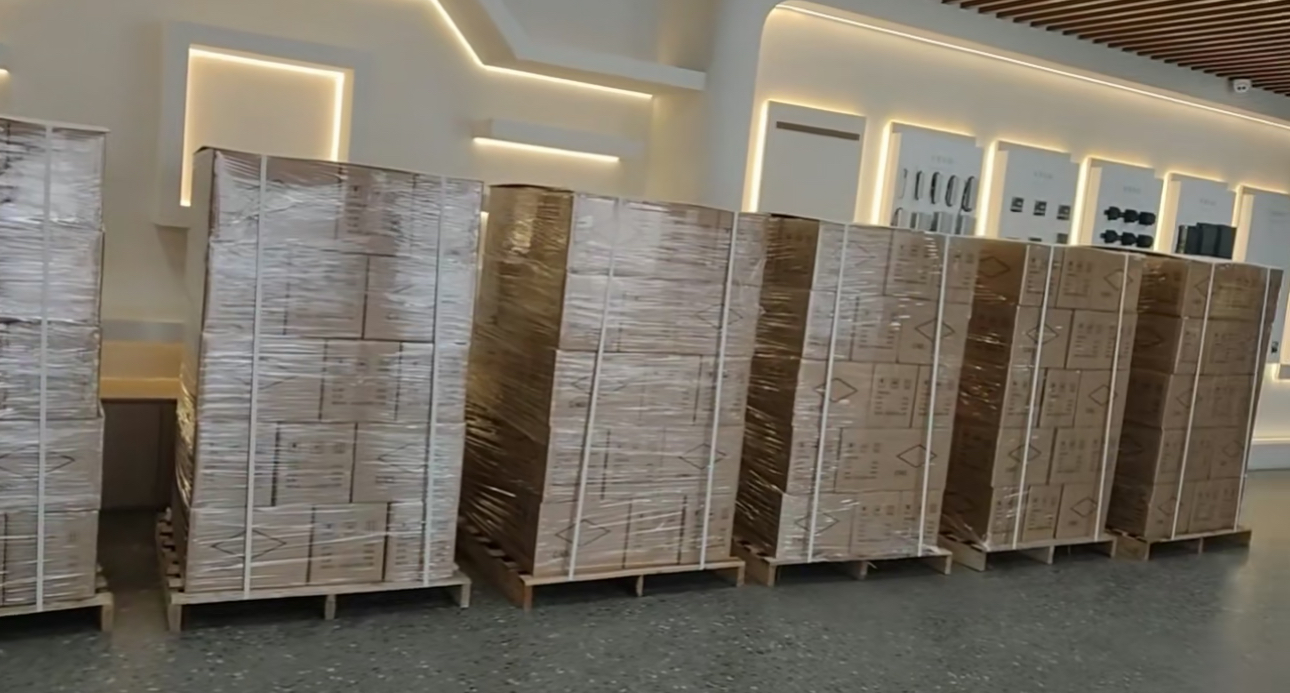
Located in the Tangxia Industrial Zone, North Baixiang Town, Yueqing City, Zhejiang Province, Wenzhou Nuvros Electric Co., Ltd. possesses 18 years of rigorous R&D and lean production experience in the switching power supply industry.
Our comprehensive facilities span approximately 10,000 square meters of modern manufacturing plant across headquarters and branch divisions. Supported by an independent R&D engineering team, an advanced production management unit, and a high-efficiency customer service network, we operate state-of-the-art automatic production equipment alongside imported precision testing apparatus, a computer-controlled warehouse management system, and an ISO-structured quality control system.
With an aggregate monthly output of approximately 500,000 switching power supply units and over 1,000 standard models in continuous production, we deliver reliable power infrastructure across Asia-Pacific, the European Union, and the Americas, proudly serving more than 2,000,000 customers worldwide.
100% response rate · Average response time ≤ 1 hour · Full OEM/ODM custom development
Compare standard electrical and mechanical specifications across our telecom and industrial power families to configure your project rollout.
| Series Category | Rated Power | Nominal Output | Cooling & Housing | Telecom & Network Use Case | Procurement Action |
|---|---|---|---|---|---|
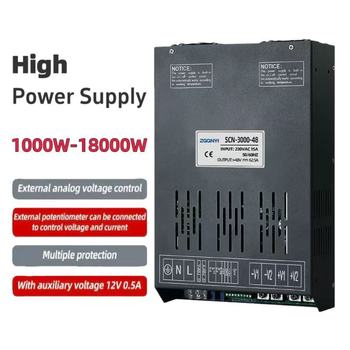
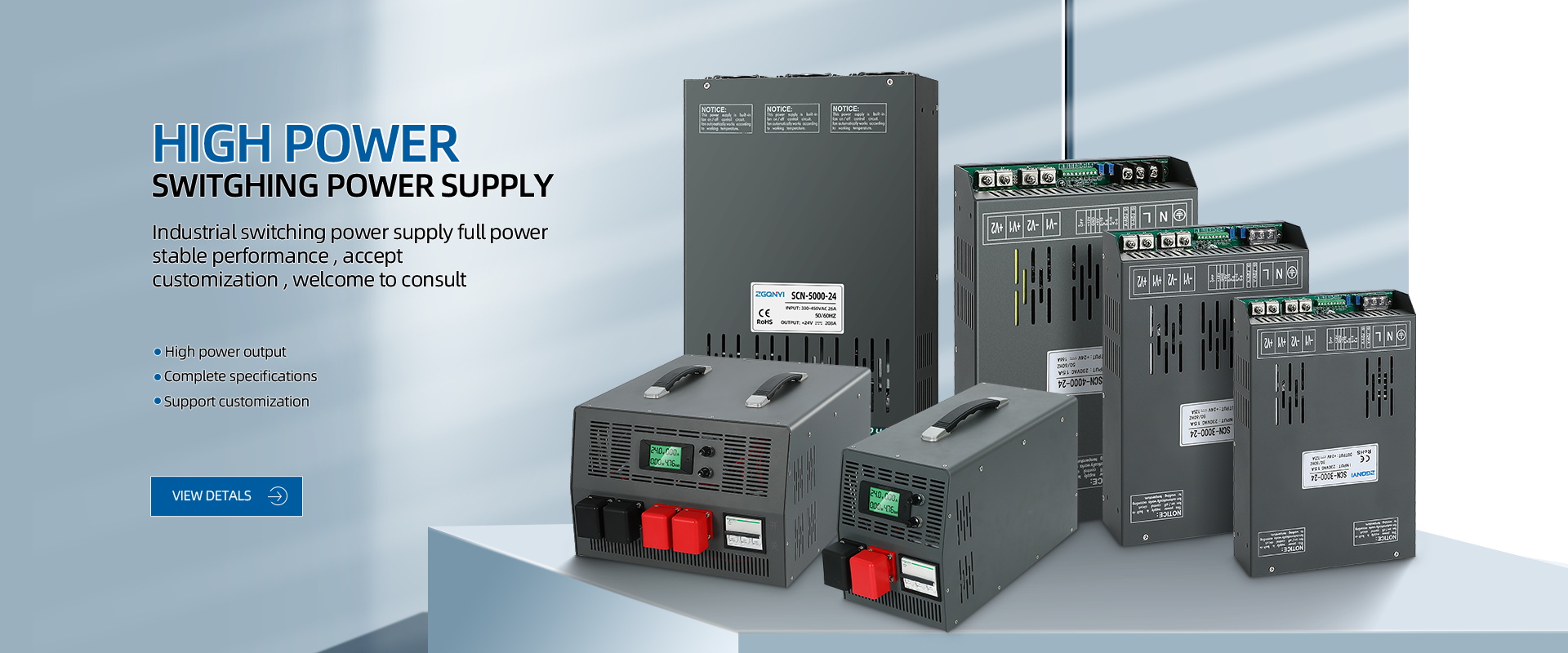
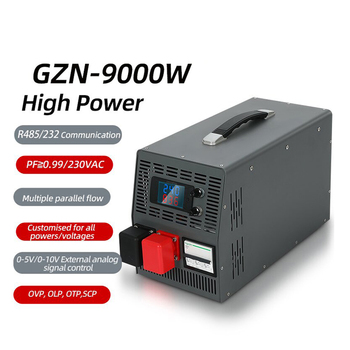
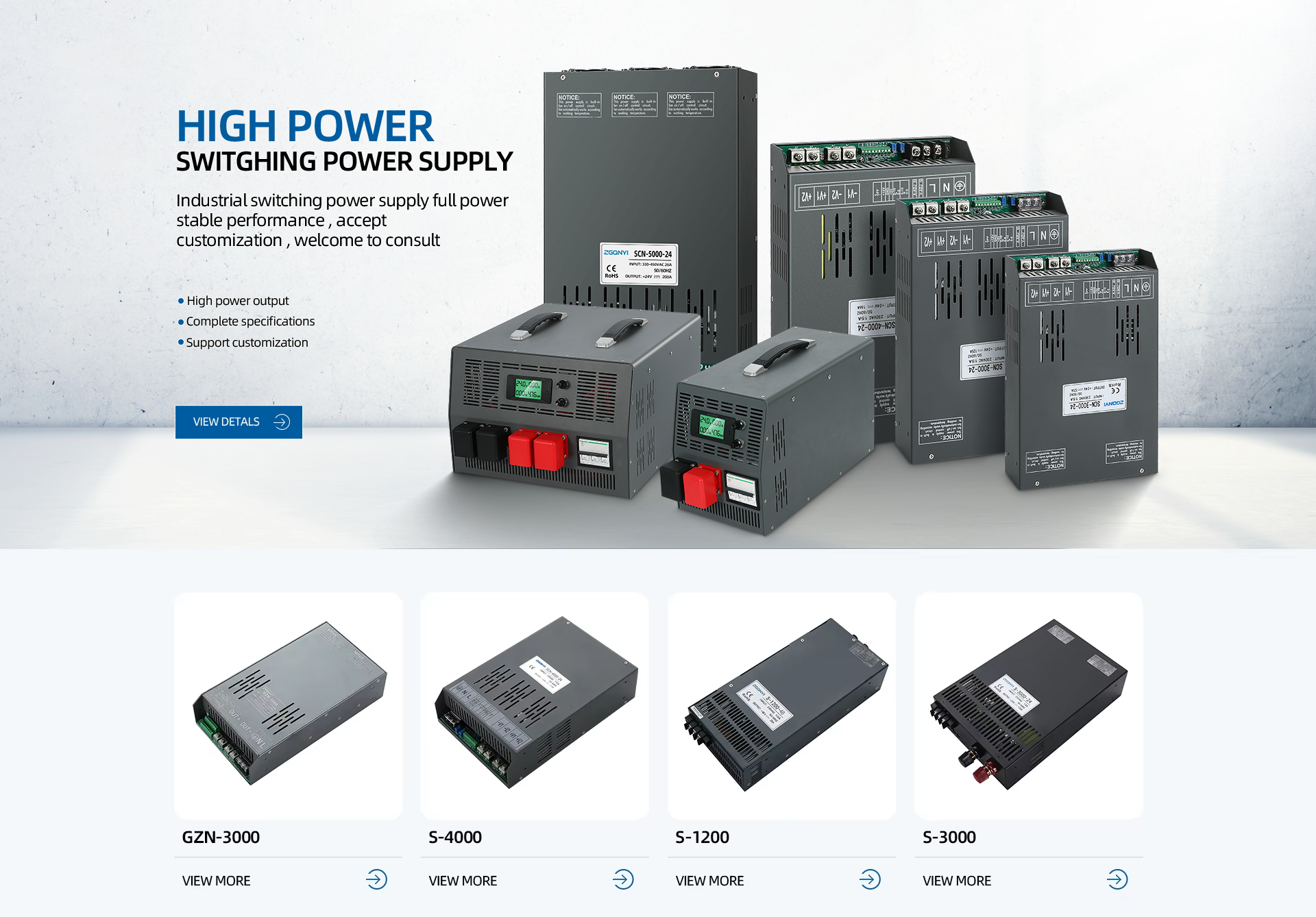
| High-Power Macro Rectifier | 1kW – 18kW | -48V DC, -57V DC, 110V DC | Active Fan / Rack-mount N+1 | 5G Macro Base Station centralized power racks & battery charging | Inquire Specs → |
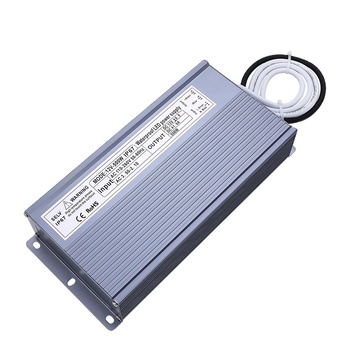
| IP67 Blade Small Cell Power | 300W – 1000W | 48V / 54V DC | Fanless Natural Cooling, IP67 | Tower-mounted AAU direct supply, street light pole micro-sites | Inquire Specs → |
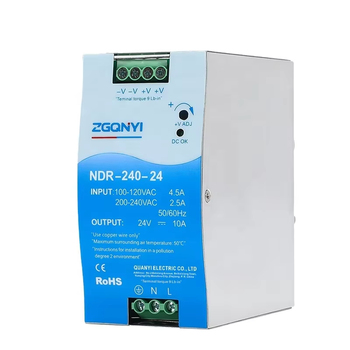
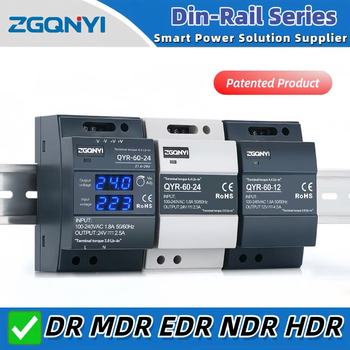
| NDR / DR DIN Rail Series | 15W – 480W | 12V, 24V, 48V DC | TS-35 Rail Metal Case | Telecom shelter telemetry, CCTV surveillance, optical switches, BBU auxiliaries | Inquire Specs → |
| Digital Display Telemetry SMPS | 60W – 300W | 24V, 48V DC | Front Panel Digital V/A Meter | Cabinet status monitoring, relay protection, transmission test equipment | Inquire Specs → |
| Solar Hybrid MPPT Power Unit | 1kW – 6kW | -48V DC (PV + Grid Mix) | Ruggedized Enclosed Chassis | Off-grid & unreliable-grid rural base stations, zero-carbon green telecom sites | Inquire Specs → |
Tower runs exceeding 40 meters introduce noticeable voltage drop under 60A+ load currents. We advise setting your rectifier bus to -57V DC output to maintain a minimum of -48V at the AAU input terminals.
All rectifiers connecting to public AC mains must feature active power factor correction (active PFC) yielding PF > 0.98 to comply with international telecommunication utility regulations.
Cellular towers are exposed to severe atmospheric lightning strikes. Standard telecom rectifiers must feature combined differential mode (6kV) and common mode (10kV) lightning protection circuitry.
Share your network parameters, input/output voltages, environmental ratings, and certification targets. Our senior power supply engineers will return customized datasheets and quotation schedules.