Variable Voltage Current SMPS: Engineering Selection, Industrial Topologies & Global Procurement Roadmap
Modern electrical systems demand dynamic flexibility. As industrial automation, electrochemistry, and e-mobility transition toward software-defined power infrastructures, fixed-output power modules are rapidly giving way to Variable Voltage Current SMPS (Switched Mode Power Supplies). Sourcing engineers and power electronics designers require deep technical visibility into automatic Constant Voltage / Constant Current (CV/CC) crossover mechanisms, dynamic loop response, active thermal derating, and digital bus integration.
Engineered and built by Wenzhou Nuvros Electric Co., Ltd., our industrial variable SMPS systems span ratings from 1,000W to 18,000W+, providing microsecond transient recovery, ultra-low residual ripple (<1% Vp-p), high power factor (>0.98 via Active PFC), and multi-protocol remote telemetry via RS485 Modbus RTU and 0–5V/0–10V analog loops. Discover how to specify, deploy, and scale precision power supplies built for continuous 24/7 mission-critical operations.
The Physics and Control Logic of Variable CC/CV SMPS
Understanding how a switched mode power supply delivers stepless voltage and current regulation without thermal runaway, output oscillation, or destructive ripple spikes.
Automatic CV/CC Crossover Circuitry
A true industrial variable voltage current SMPS operates via dual internal closed-loop feedback systems: a voltage control loop and a current control loop. When the connected load impedance Rload exceeds Vset / Iset, the supply operates in Constant Voltage (CV) mode, holding potential static while output current fluctuates dynamically. The instant Rload drops below threshold—common in high-power electroplating, anodizing baths, and battery pre-charge stages—the control loop smoothly transitions to Constant Current (CC) mode, lowering voltage to maintain the set current ceiling without false tripping or latch-off shutdown.
Full-Bridge LLC Resonant & Interleaved Topologies
Unlike conventional hard-switching flyback or forward converters that incur severe switching losses at high powers, Nuvros Variable SMPS units utilize phase-shifted full-bridge (PSFB) or LLC resonant topologies. Zero Voltage Switching (ZVS) and Zero Current Switching (ZCS) are sustained across wide output voltage variation spans. This architecture achieves conversion efficiencies exceeding 93%, significantly reducing dissipation losses, curtailing internal heatsink volume, and eliminating parasitic dv/dt electromagnetic interference (EMI).
Continuous Active PFC Conditioning
Operating single-phase or three-phase SMPS units at kilowatt levels without harmonic suppression causes power grid distortion, elevated reactive currents, and tripping of main branch circuit breakers. Our units integrate active boost power factor correction (PFC) stages running continuous conduction mode (CCM), achieving a power factor of ≥0.98 with Total Harmonic Distortion (THD) under 5%, fully complying with EN 61000-3-2 and IEEE 519 international standards.
Industrial Recommendations
Recommended Variable Voltage Current SMPS Configurations
Pre-engineered platforms built for factory automation, industrial electrochemistry, battery cycling, and precision R&D benches. Customizable for specialized voltage ranges and remote communication protocols.
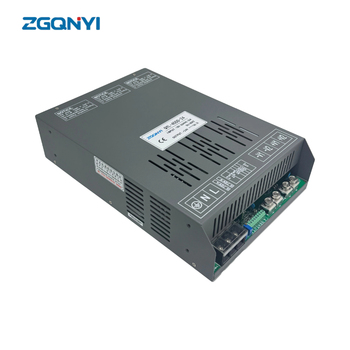
Model: NV-AD16-250
0–16V / 0–250A Heavy-Duty Variable SMPS (4,000W)
Designed specifically for continuous industrial electrolysis, metal refining, and barrel plating lines. Features zero-to-rated potentiometer control, dual LED metering, reverse polarity diode protection, and heavy copper busbar output terminals.
Configurable in voltage platforms from 0–30V, 0–60V, up to 0–150V. Built-in Active Power Factor Correction (PF > 0.99), high thermal margins via ball-bearing fans, remote on/off sensing, and analog 0–5V external control for SCADA integration.
Active PFC >0.990–60V / 50ARS485 TelemetryCE / RoHS
High-density 19-inch rackmount unit engineered for commercial EV battery module validation, multi-cell DC motors, and laser marking centers. Supports digital current sharing for parallel n+1 stacking up to 54kW total system output.
Combines dynamic digital pulse control with smooth DC output. Features precision calibration potentiometers, remote 4-20mA process sensor loop, overload lock, and over-temperature foldback to preserve production line continuity.
Future Procurement Trends in Industrial Variable Power Supplies
Key procurement vectors global tier-1 supply managers, systems integrators, and OEM purchasers must account for in 2025–2030 sourcing contracts.
1. Modularity Over Monolithic Sizing
Global buyers are moving away from oversized single-chassis transformers in favor of modular variable SMPS building blocks. Parallelable 3kW to 6kW SMPS sub-units equipped with active current-sharing circuits allow automated factories to scale capacity on demand, lower initial CapEx, and establish N+1 failover redundancy that cuts factory downtime to zero.
2. Rigorous Harmonic Compliance & Total Cost of Ownership (TCO)
With electricity tariffs and carbon border taxes escalating across Europe and North America, buyers assess lifecycle electrical efficiency rather than simply hardware unit pricing. Units without active PFC penalize buyers through kVA demand charges. High-efficiency SMPS (operating above 92% across a 20% to 100% load window) generate thousands of dollars in energy savings per unit over a 5-year operating lifecycle.
3. Direct Factory Sourcing & Agile Customization (BOM Agility)
The vulnerability of third-party catalog distributor supply lines has accelerated direct-to-manufacturer agreements. Industrial procurement heads are contracting directly with facilities like Wenzhou Nuvros Electric Co., Ltd. that maintain in-house magnetic winding, automated SMT lines, custom sheet metal stamping, and specialized firmware programmers to modify dynamic rise times and terminal pinouts within 10 to 14 business days.
Procurement Specification Checklist
Ensure your Request for Quotation (RFQ) contains these essential electrical and environmental metrics to prevent mismatches:
Input Range & Phase: 90–264VAC universal or 340–440VAC 3-Phase.
Dynamic Regulation: Line regulation <±0.5%, Load regulation <±1.0%.
Transient Response Time: <200μs across 50% load steps.
Programming Protocol: Modbus RTU (RS485), CANbus, or 0-5V/0-10V analog.
Thermal Derating Threshold: 100% nominal load up to +50°C ambient.
Compliance Scope: Model-level CE certification and RoHS documentation.
The Future of Variable SMPS: Wide Bandgap & Digital Loops
How Silicon Carbide (SiC), Gallium Nitride (GaN), and DSP-driven digital loop controls are reshaping power conversion density and thermal footprints.
Trend 01
Wide Bandgap Semiconductors (SiC & GaN)
Traditional silicon MOSFETs experience severe switching losses as frequencies increase past 100kHz. By moving to Silicon Carbide (SiC) MOSFETs in primary PFC bridges and Gallium Nitride (GaN) devices in low-voltage high-current output rectification, power conversion density increases by over 40%. The resulting units run cooler, utilize 30% smaller magnetic transformer cores, and operate comfortably at elevated ambient temperatures.
Trend 02
DSP-Driven Digital Power Loop Controls
Analog error amplifiers are susceptible to component aging and temperature drift. Modern variable voltage current SMPS platforms integrate high-speed 32-bit Digital Signal Processors (DSP). Digital compensation loops allow programmatic tuning of loop response, software-defined soft-start profiles, automated calibration to compensate for cable line drops, and instantaneous hardware-interrupt short-circuit cutoff.
Trend 03
Predictive Health & Industrial IoT (IIoT)
Power supplies are no longer silent black boxes. Contemporary industrial SMPS units monitor electrolytic capacitor Equivalent Series Resistance (ESR) degradation, internal thermal hotspot telemetry, and fan tachometer wear. Through industrial fieldbus interfaces, real-time diagnostic packets alert maintenance crews before catastrophic failure occurs, preventing millions in factory downtime.
Enterprise Manufacturing Excellence
Why Global Industry Leaders Rely on Nuvros
Wenzhou Nuvros Electric Co., Ltd. brings 18 years of specialized engineering experience in the research, design, and precision manufacturing of industrial switching power supplies. Operating from Tangxia Industrial Zone in North Baixiang Town, Yueqing City, Wenzhou—the heartland of electrical engineering in Zhejiang, China—we engineer robust power conversion hardware trusted by global customers.
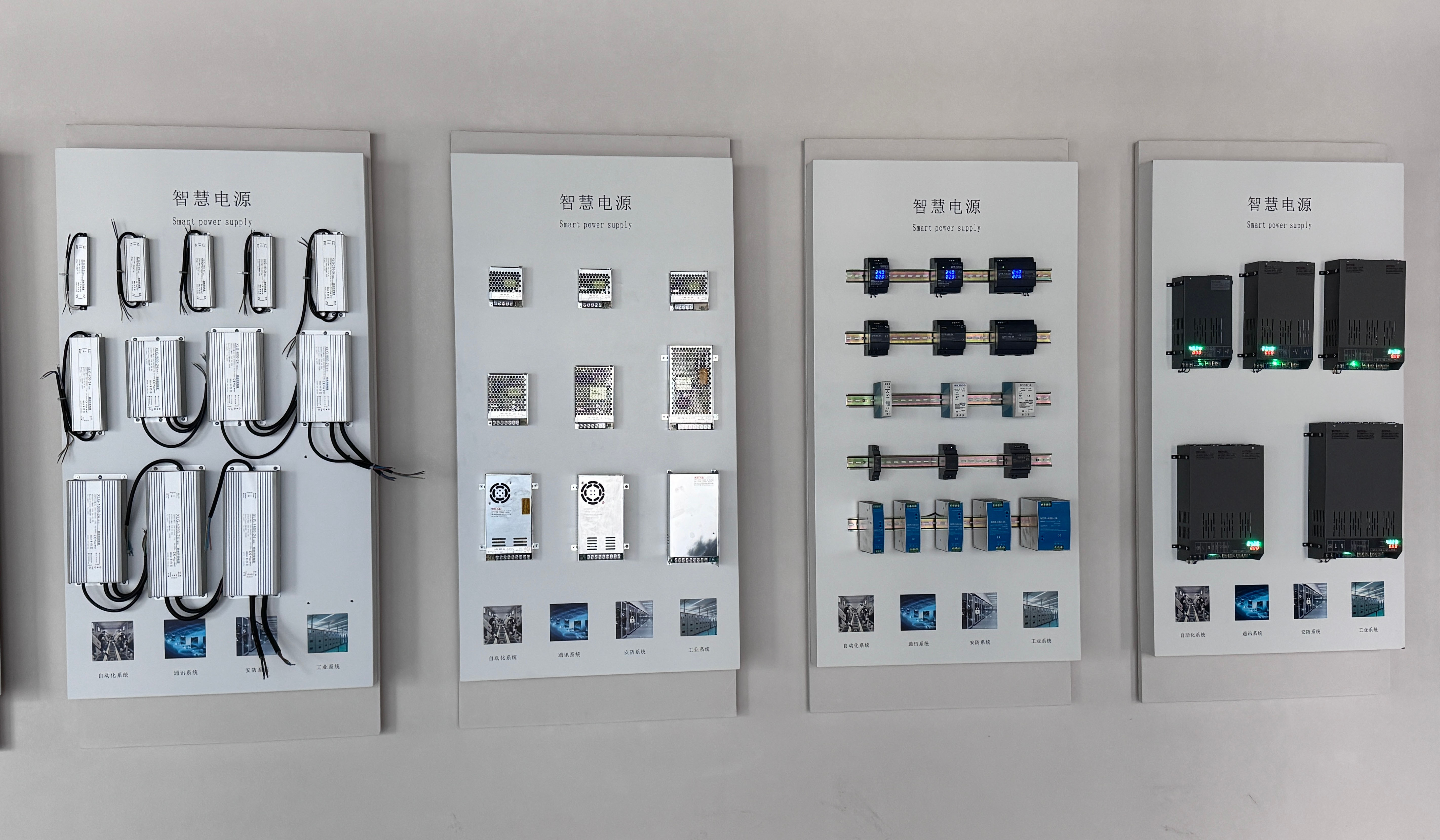
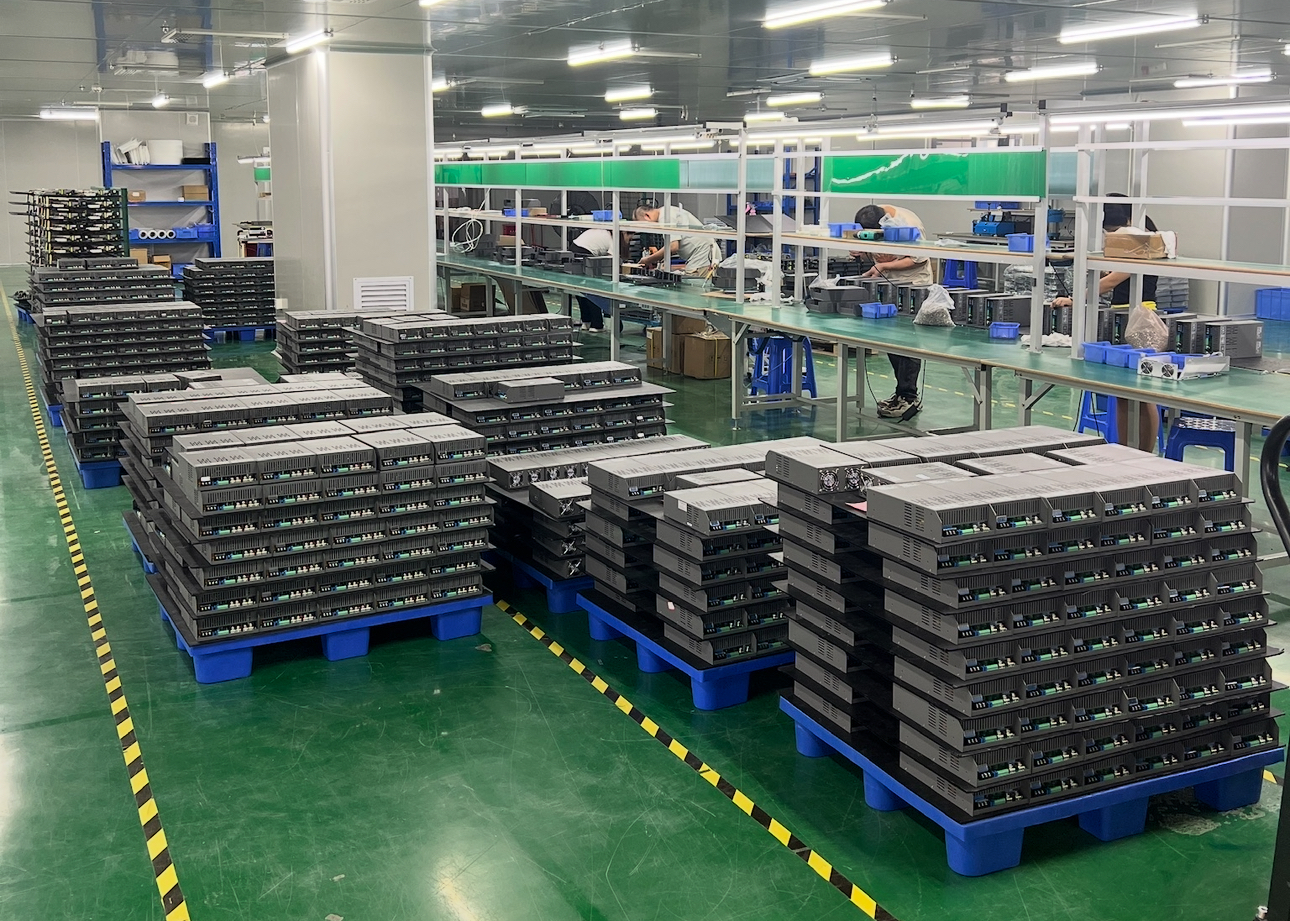
Our infrastructure encompasses over 10,000 square meters of modern factory space, backed by independent R&D engineering divisions, comprehensive manufacturing management, and dedicated customer engineering services. Utilizing automated production apparatus and imported electronic testing instruments, our facilities sustain a monthly production throughput of approximately 500,000 units across more than 1,000 standard catalog models.
18 Years Specialized R&D Heritage
10,000 m² Modern Factory Floor
500,000 Pcs Monthly Capacity
1,000+ Standard Power Models
2,000,000+ Global Customers Served
Average Inquiry Response ≤ 1 Hour
From solution architecture and cost-optimized prototyping to lean mass production and on-time global fulfillment, Nuvros supplies crucial power systems for 5G communications, solar photovoltaics, new energy automotive systems, security surveillance, laser marking, robotics, and industrial electrochemistry. We maintain 20 regional sales and service hubs throughout China and export heavily across the European Union, North America, and the Asia-Pacific region.
Variable Voltage Current SMPS vs Conventional Power Sources
Comprehensive engineering trade-off comparison between modern Variable SMPS, traditional SCR Thyristor rectifiers, and linear regulated benchtop supplies.
Performance Attribute
Nuvros Variable CC/CV SMPS
SCR / Thyristor Rectifier
Linear Regulated Power Supply
Electrical Efficiency
90% – 94% (High energy savings, low heat)
68% – 78% (High dissipation at partial voltage)
35% – 55% (Massive transistor heat losses)
Physical Volume & Weight
Ultra-Compact (approx. 2.5–4.5 kg/kW)
Very Heavy (approx. 18–35 kg/kW, bulky magnetics)
Extremely Heavy (bulky 50/60Hz mains iron core)
Transient Slew Rate & Response
Microsecond range (<200 μs recovery)
Slow (8.3ms – 20ms mains cycle lag)
Ultra-Fast (<50 μs, but severely limited power)
Output Current/Voltage Ripple
Low (<1% Vp-p via multi-stage LC filters)
High ripple frequency spikes requiring massive chokes
Ultra-Low (<0.05% Vp-p, suitable only for audio/microamps)
Power Factor (PF) & Harmonics
≥0.98 (Active PFC), THD < 5%
Poor (0.60–0.75), severe phase-angle line distortion
0.65 – 0.80 without PFC compensation
Automated Bus Control
Native RS485 Modbus RTU / 0-5V / 0-10V
Complex external analog interface boards
Rarely integrated; primarily manual dials
Total Capital & Operational Cost
Lowest 5-Year TCO (High efficiency, modular)
Moderate CapEx, excessively high OpEx energy bills
High CapEx per Watt, unviable beyond 500W
Frequently Asked Questions
Comprehensive Variable Voltage Current SMPS FAQ
Answers to common technical, qualification, and procurement inquiries asked by system integrators, electrical engineers, and factory sourcing managers.
How does the CC/CV auto-crossover work during battery charging or electroplating processes?
In electrochemical processes or secondary battery charging (e.g., LiFePO4 or Lead-Acid), a load presents dynamic resistance. The Nuvros Variable SMPS allows setting both target voltage (e.g., 58.4V float) and current ceiling (e.g., 50A bulk). When connected to a discharged battery, the battery's low internal impedance pulls current to 50A; the supply immediately enters Constant Current (CC) mode, lowering its terminal voltage automatically to prevent thermal runaway. As the chemical cell charges and terminal voltage rises to reach 58.4V, the unit seamlessly enters Constant Voltage (CV) mode, holding potential static while output current decays naturally to zero. No manual switching or external relays are required.
Can multiple Variable Voltage Current SMPS units be wired in parallel or series?
Yes, with specific engineering configurations. For parallel operation to increase total output amperage, Nuvros high-power models (1kW–18kW) can be specified with active droop or master-slave current-sharing communication circuits, ensuring that each module shares identical load percentages (±3% balancing). For series operation to boost overall voltage, anti-parallel bypass diodes must be installed across the output terminals of each unit to prevent reverse voltage breakdown if one unit experiences thermal or input shutdown before the other. Consult our engineering team at [email protected] for application schematics.
What mechanisms protect the SMPS from highly inductive or capacitive inrush loads?
When driving DC motors, solenoids, or large capacitor banks, severe reverse electromotive force (EMF) and high inrush spikes occur during startup or deceleration. Nuvros Variable SMPS units incorporate NTC/PTC thermistor or soft-start relay pre-charging circuits that choke input current pulses. On the output side, robust Transient Voltage Suppressor (TVS) diodes and fast-recovery snubber circuits absorb inductive kickbacks. For continuous regenerative braking loads, we recommend ordering our optional integrated active crowbar shunt resistor module.
What is your typical manufacturing lead time, sample policy, and minimum order quantity (MOQ)?
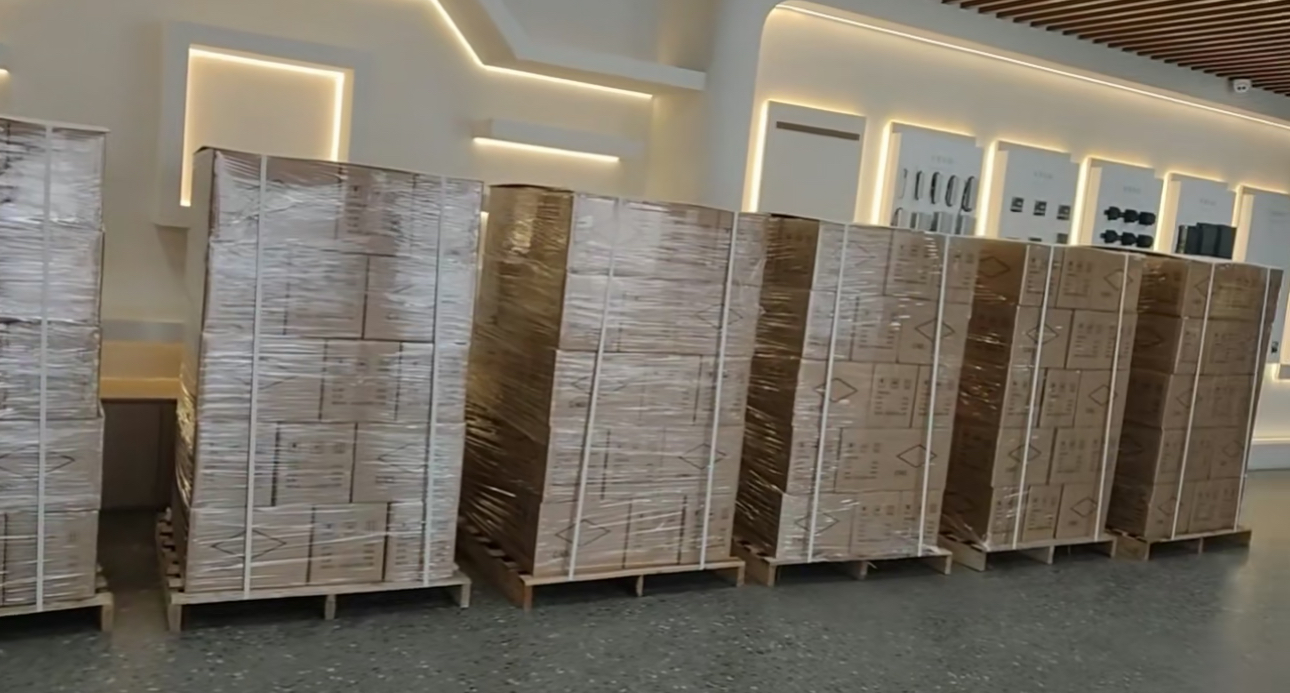
Standard catalog Variable SMPS models (1kW, 2kW, 3kW, 5kW) are kept in component stock; prototype or sample evaluation orders are generally assembled, burned-in, and dispatched within 3 to 7 working days. For bulk OEM/ODM production runs, standard lead time ranges between 15 and 25 calendar days. The MOQ for standard products starts at just 1 piece for engineering qualification, while custom mechanical chassis stamping, bespoke firmware communication parameters, or private-label branding projects typically require an MOQ of 50 to 100 units depending on complexity.
What international safety testing and environmental compliance documents do you supply?
Our power supply models undergo stringent design verification matching international standards including IEC/EN 62368-1 for IT and industrial equipment safety, EN 55032 Class A/B for conducted and radiated emissions, EN 61000-4 series for electrostatic and surge immunity, and RoHS Directive 2011/65/EU compliance. Certificate dossiers, complete EMC test reports, and component isolation clearance certificates are made available on a model-specific basis upon order qualification.
How does Nuvros maintain quality control and prevent field infant mortality failures?
Wenzhou Nuvros Electric Co., Ltd. operates a comprehensive multi-stage Quality Management System. Critical components like power MOSFETs, magnetic cores, and high-temperature 105°C low-ESR electrolytic capacitors undergo strict Incoming Quality Control (IQC). Every populated PCB undergoes Automated Optical Inspection (AOI). Prior to final packaging, 100% of finished units endure a mandatory 4-hour full-load thermal burn-in test under elevated temperature chambers followed by automated multi-channel voltage, ripple, and hi-pot dielectric insulation testing.
Direct Engineering Consultation
Request a Custom Variable SMPS Proposal
Consult directly with our power supply application engineers. Share your input/output parameters, thermal constraints, and communication requirements to receive a formal quotation, 3D mechanical model, and datasheet within 24 hours.
Direct access to Senior Power Electronics Engineers
Custom voltage/current tuning & RS485 communication protocols
Competitive tiered factory pricing for distributors & OEMs