12V / 24V System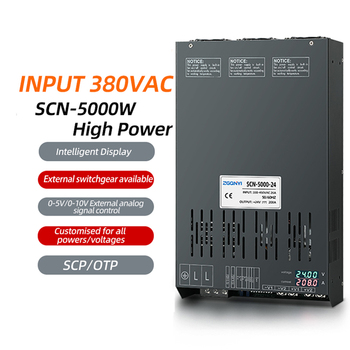
0–16V 250A Ultra-High Current Charger
Optimized for 4S 12.8V LiFePO4 commercial banks, marine house power, RV banks, and low-voltage high-capacity automated guided vehicles (AGVs).
 Español
 Português
 Deutsch
 Français
 Italiano
 Русский
 日本語
 한국어
 العربية
 ภาษาไทย
 Tiếng Việt
 Türkçe
Why conventional lead-acid and generic lithium chargers compromise lithium iron phosphate battery safety, lifespan, and warranty compliance.
Lithium Iron Phosphate (LiFePO4) has emerged as the premier chemical formulation for commercial, industrial, and motive energy storage systems due to its superior thermal stability, elevated cycle life (>4,000 cycles at 80% DoD), and intrinsically benign chemistry compared to NMC/NCA formulations. However, realizing these operational dividends relies entirely on mating the pack with a dedicated, precision-regulated LiFePO4 Lithium Battery Charger.
Unlike conventional lead-acid chemistries that require multi-stage bulk-absorption-float-equalization regimens with high voltage float maintenance (often exceeding 13.8V for continuous trickle), LiFePO4 cells feature an exceptionally flat open-circuit voltage discharge curve between 20% and 90% State of Charge (SoC). Overcharging individual cells past 3.65V does not store meaningful incremental energy; instead, it accelerates irreversible parasitic electrolyte oxidation, promotes cathode lithium depletion, and triggers severe internal thermal degradation.
Furthermore, standard lead-acid chargers incorporate automatic desulfation cycles that blast the terminal load with high-voltage pulse trains (frequently peaking above 16V to 18V). When introduced to a LiFePO4 pack, these voltage spikes immediately trigger the overvoltage protection (OVP) circuits of the integrated Battery Management System (BMS), abruptly cutting the circuit and causing destructive inductive flyback voltage spikes into the charging unit. At Wenzhou Nuvros Electric Co., Ltd., our chargers implement a strictly calibrated two-stage CC/CV profile that transitions directly to standby upon reaching C/10 or C/20 termination threshold, entirely eliminating damaging continuous float charging.
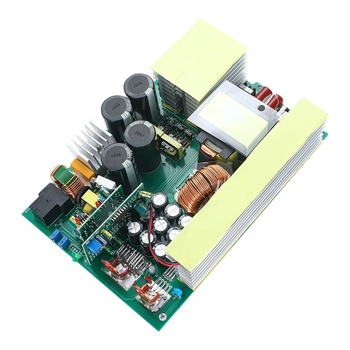
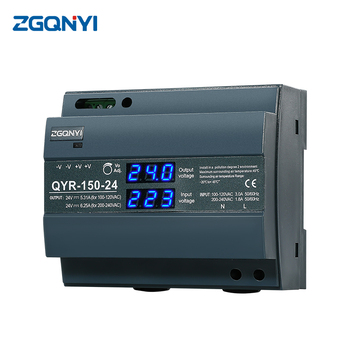
From mobile utility vehicles to 18kW automated high-power industrial banks, explore our factory-tested standard and customized charging architectures.
Optimized for 4S 12.8V LiFePO4 commercial banks, marine house power, RV banks, and low-voltage high-capacity automated guided vehicles (AGVs).
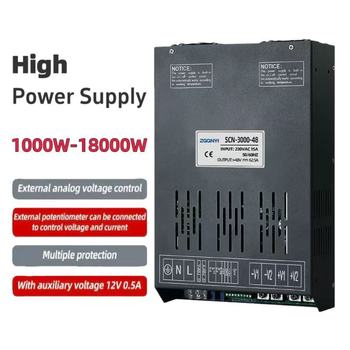
Tailored for commercial golf carts, electric floor scrubbers, and electric stackers. Features universal 90-264VAC input and dual cooling fans.
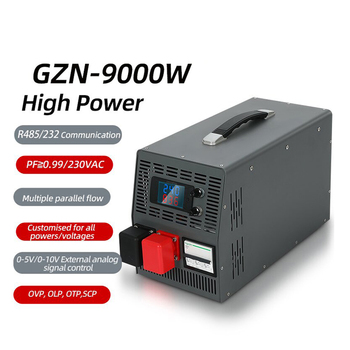
Engineered for Class I & II electric forklifts, scissor lifts, and solar microgrid battery banks. Active PFC >0.99 and intelligent BMS protocol sync.
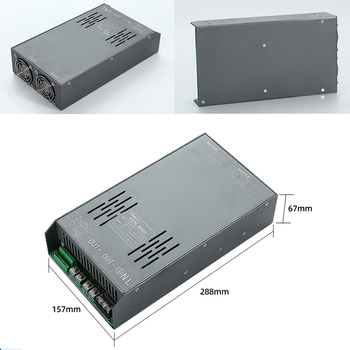
Modular N+1 parallel-capable heavy rack architecture for utility-scale energy storage systems (BESS), telecom towers, and data center backup arrays.
System designers and procurement engineers should verify battery cell architecture against these nominal charging benchmarks to ensure maximum cell balancing.
| Battery Configuration | Nominal Pack Voltage | Absorption Voltage (Bulk) | Float / Standby Voltage | Typical Cut-Off Current | Recommended Charger Series |
|---|---|---|---|---|---|
| 4S Pack (4 Cells) | 12.8V | 14.4V – 14.6V (3.60–3.65V/Cell) | 13.6V – 13.8V | 0.05C (~C/20) | 0–16V / 250A or 1500W CC/CV Series |
| 8S Pack (8 Cells) | 25.6V | 28.8V – 29.2V (3.60–3.65V/Cell) | 27.2V – 27.6V | 0.05C (~C/20) | 2500W / 3000W 24V CC/CV Series |
| 12S Pack (12 Cells) | 38.4V | 43.2V – 43.8V (3.60–3.65V/Cell) | 40.8V – 41.4V | 0.03C–0.05C | 3000W / 5000W 36V Custom Profile |
| 15S Pack (Telecom Standard) | 48.0V | 54.0V – 54.75V (3.60–3.65V/Cell) | 51.0V – 51.75V | 0.02C–0.05C | 3000W–6000W Active PFC Series |
| 16S Pack (Motive & Solar Standard) | 51.2V | 57.6V – 58.4V (3.60–3.65V/Cell) | 54.4V – 55.2V | 0.02C–0.05C | GZN 6000W / 9000W Programmable SMPS |
| 24S Pack (Industrial Traction) | 76.8V | 86.4V – 87.6V (3.60–3.65V/Cell) | 81.6V – 82.8V | 0.02C–0.05C | 8kW–18kW Heavy Duty Modular Charger |
Top-balancing on passive BMS boards typically activates above 3.45V per cell. The constant voltage phase must maintain controlled current to allow the BMS bleed resistors sufficient dwell time to align cell voltages without over-temperature tripping.
Industrial installations deploying multiple chargers onto common distribution panels require Active PFC (Power Factor >0.98, THD <5%) to satisfy international IEEE 519 and EN 61000-3-2 harmonic emissions standards.
Charging LiFePO4 cells at ambient temperatures below 0°C (32°F) forces dendritic lithium metal plating onto the graphite anode, permanently lowering capacity and elevating short-circuit risk. Industrial chargers must feature automatic low-temperature lockouts.
What global procurement officers and B2B buyers must anticipate over the 2025–2030 product replacement cycle.
Wide Bandgap (WBG) semiconductors are rapidly revolutionizing industrial power conversion. By replacing traditional silicon MOSFETs with SiC power switches, switching frequencies can increase tenfold while reducing switching losses. For high-output LiFePO4 chargers, this translates to power conversion efficiencies reaching 96.5%+, drastically diminishing heat generation, reducing enclosure volume by up to 40%, and enabling rugged fanless IP67 on-board vehicle chargers.
With massive battery banks installed across corporate electric forklift fleets, delivery vans, and commercial microgrids, chargers are transitioning from isolated unidirectional rectifiers to bidirectional inverter-chargers. Sourcing managers increasingly mandate dual-direction topologies capable of both rapid CC/CV charging and peak shaving / emergency microgrid power export back to 380V/480V factory mains.
Open-loop "dumb" charging is becoming obsolete in tier-1 commercial fleets. B2B procurement tenders now routinely specify integrated CAN bus or RS485 communication using standard protocols (such as CiA 418 / CiA 454). Real-time telemetry ensures the charger dynamically adjusts bulk current based on the coldest cell in the pack, immediately shutting down upon internal pack thermal anomalies.
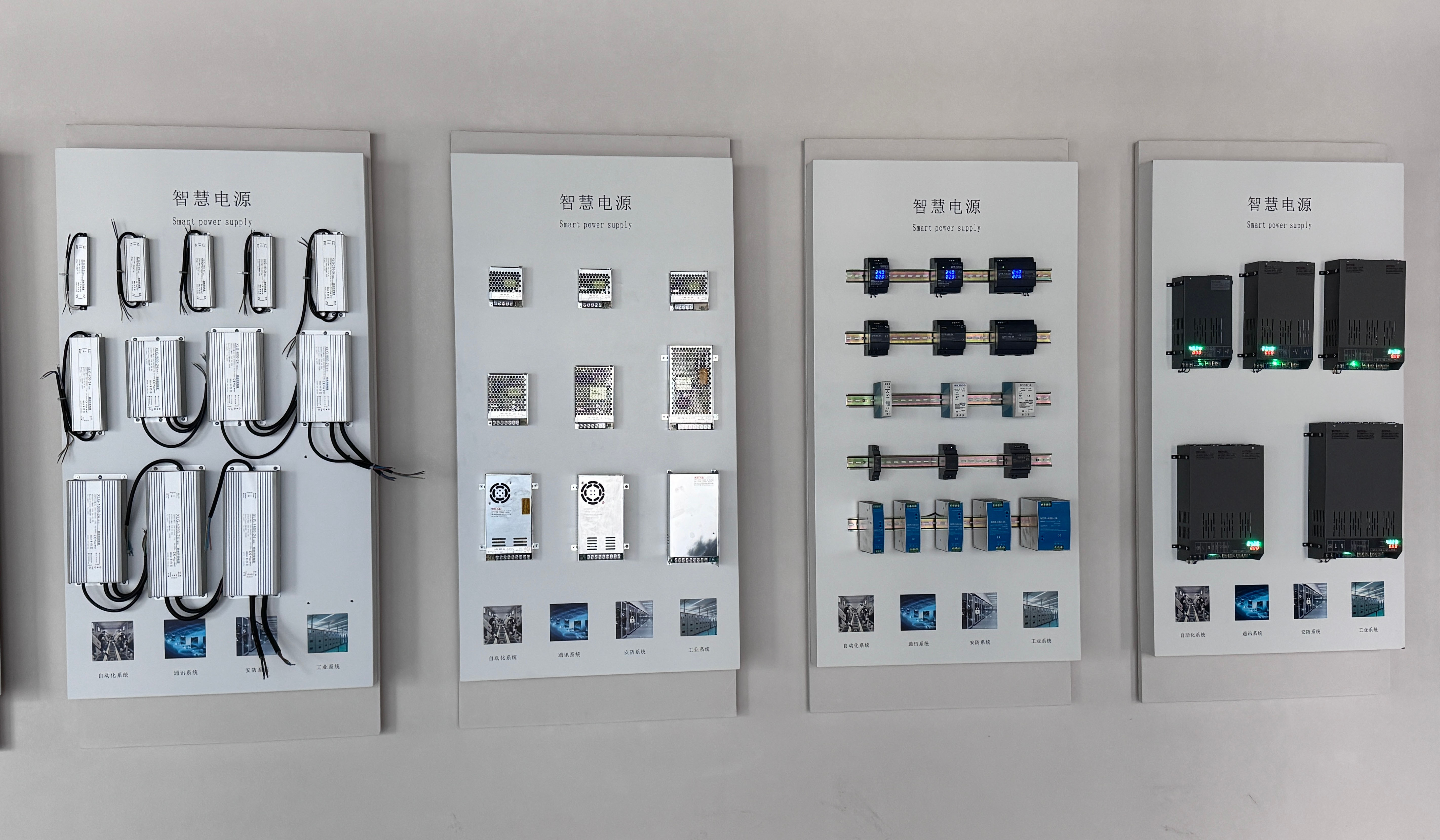
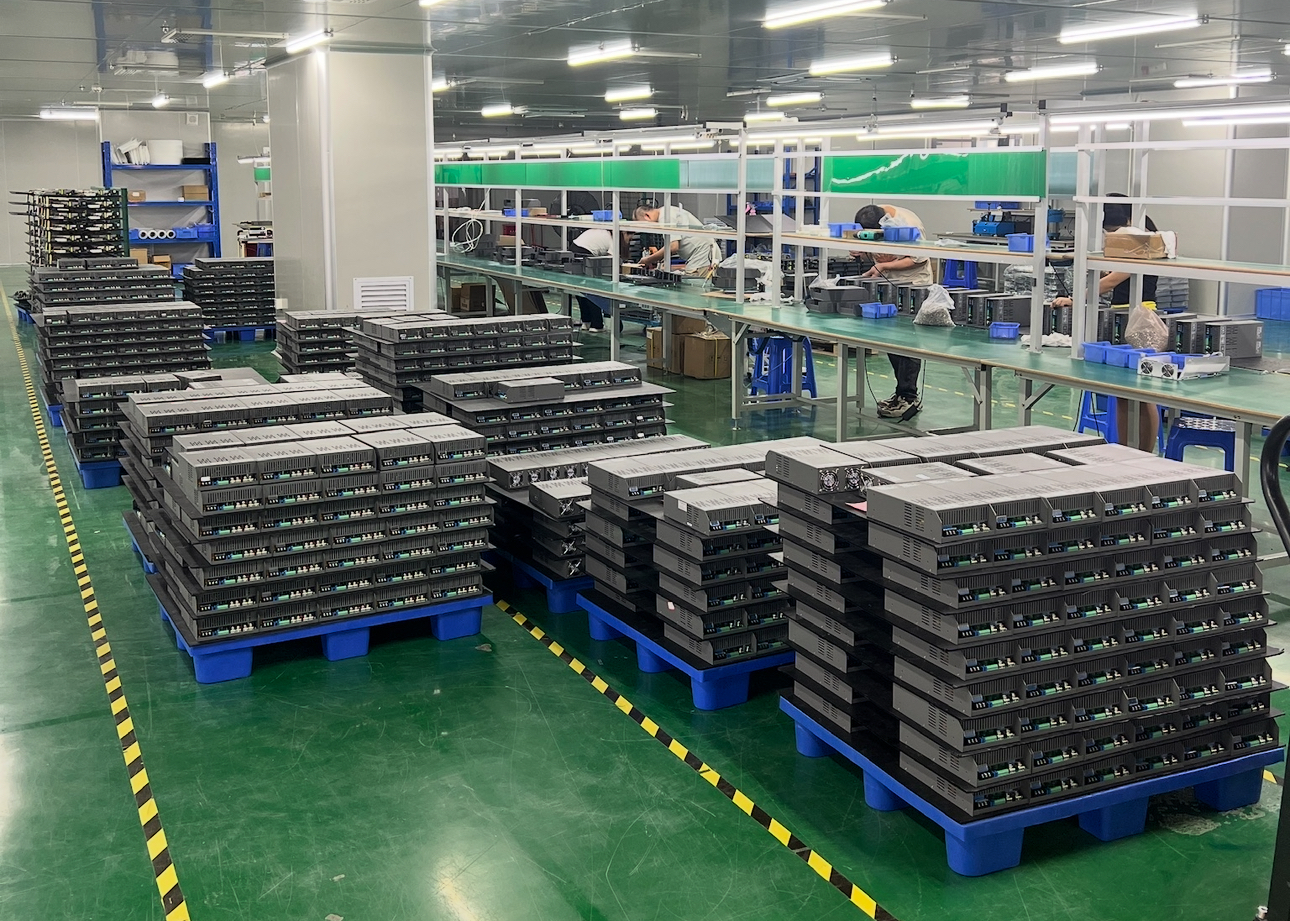

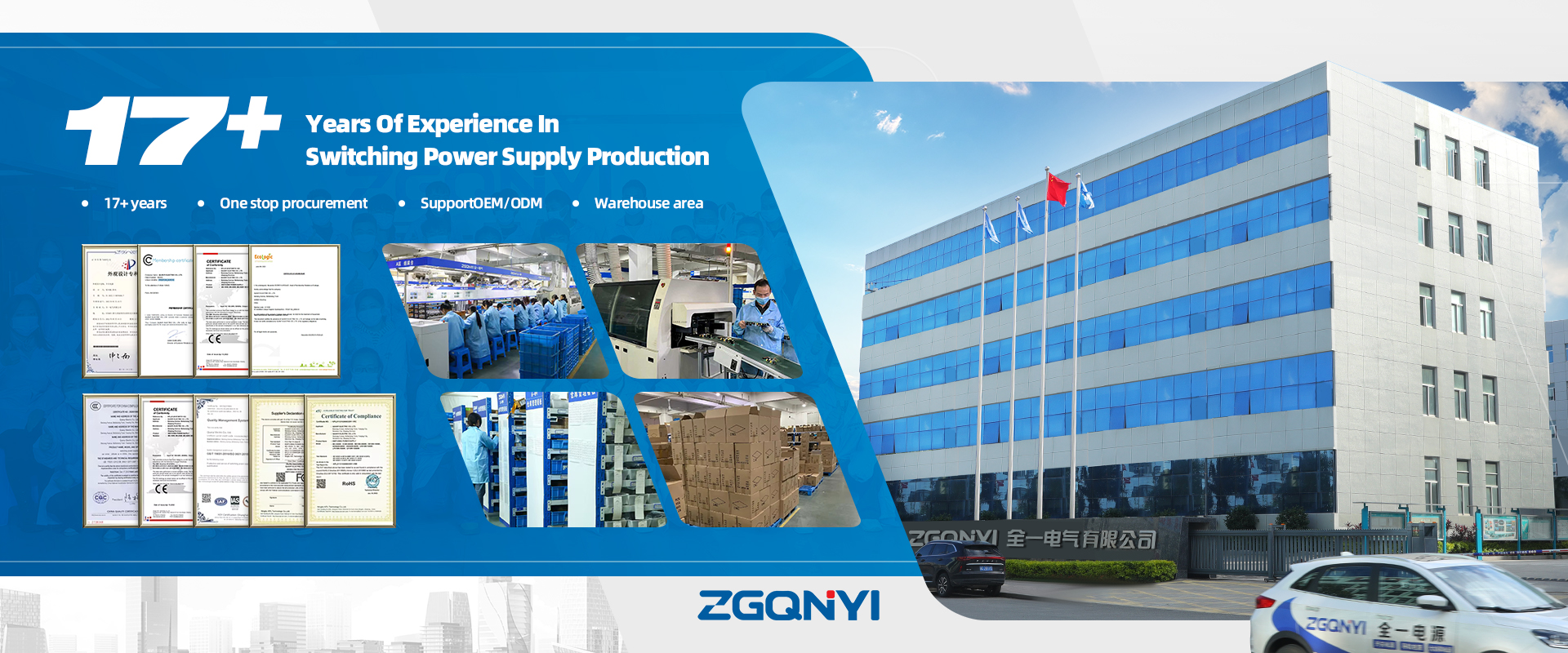
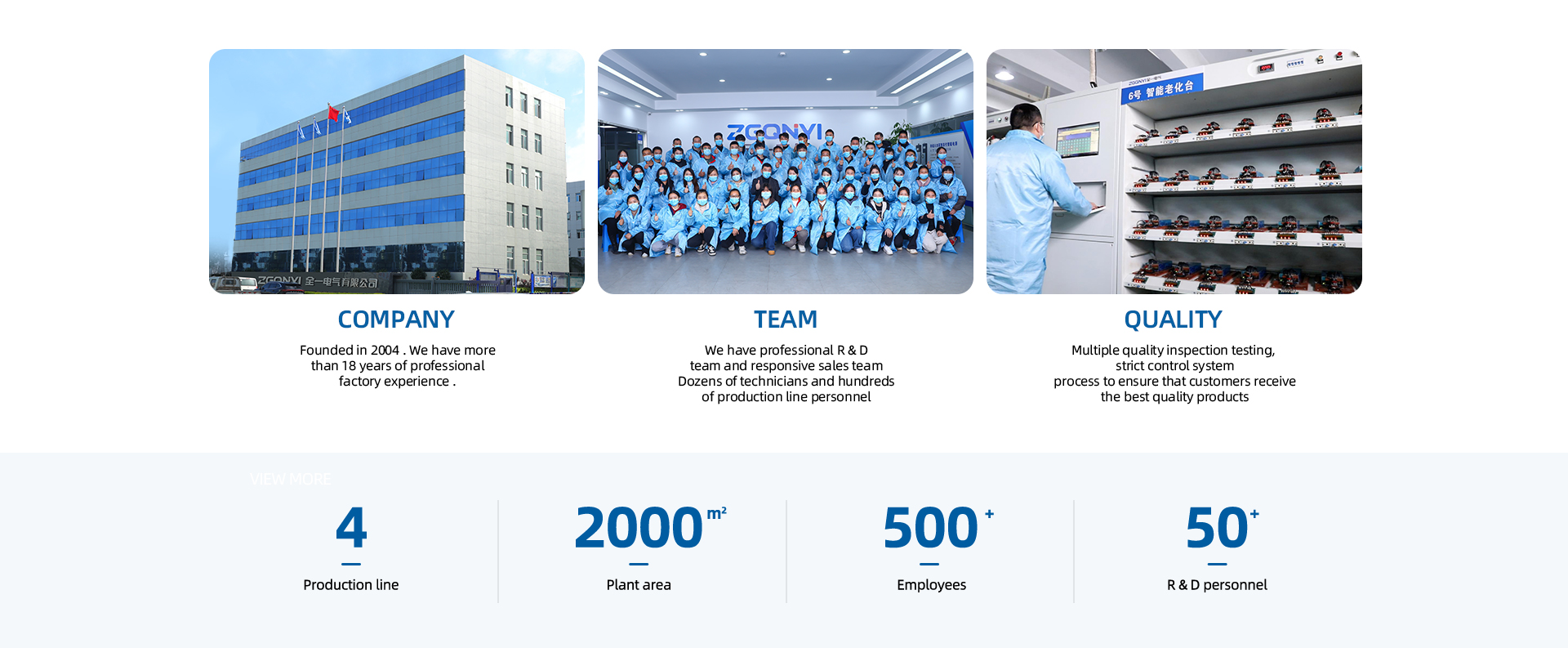
Wenzhou Nuvros Electric Co., Ltd. brings over 18 years of specialized engineering experience in the research, development, and high-volume lean production of switching power supply systems, lithium battery chargers, voltage regulators, and industrial inverter architectures.
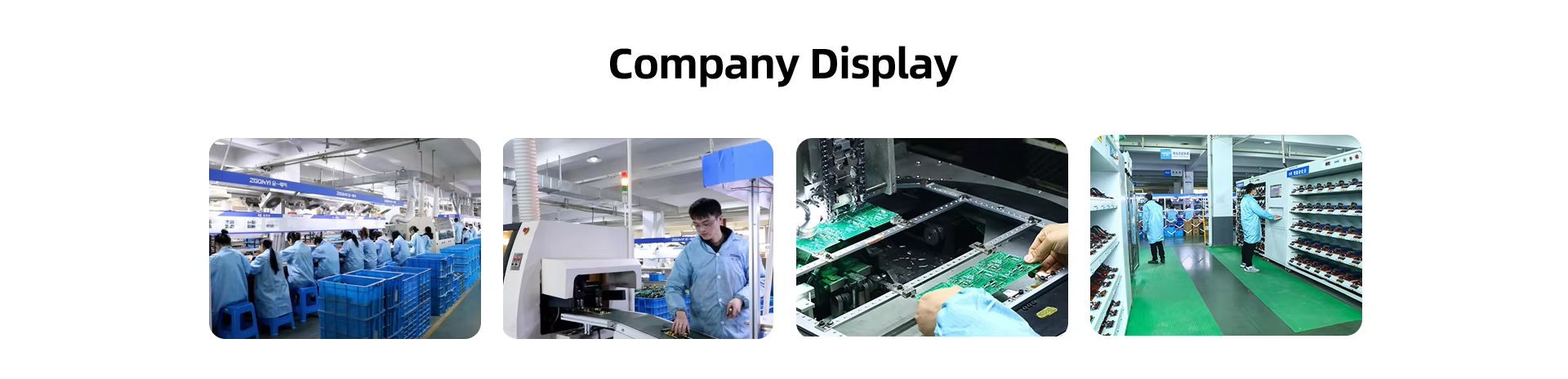
Strategically headquartered in the Tangxia Industrial Zone, North Baixiang Town, Yueqing City, Zhejiang Province—the world-renowned epicenter of precision electrical apparatus manufacturing—our modern facilities span over 10,000 square meters. With an independent, robust R&D engineering unit, agile production management, and an international customer service team, we operate advanced automatic production machinery coupled with imported automated testing stations and an intelligent information-driven warehouse management system.

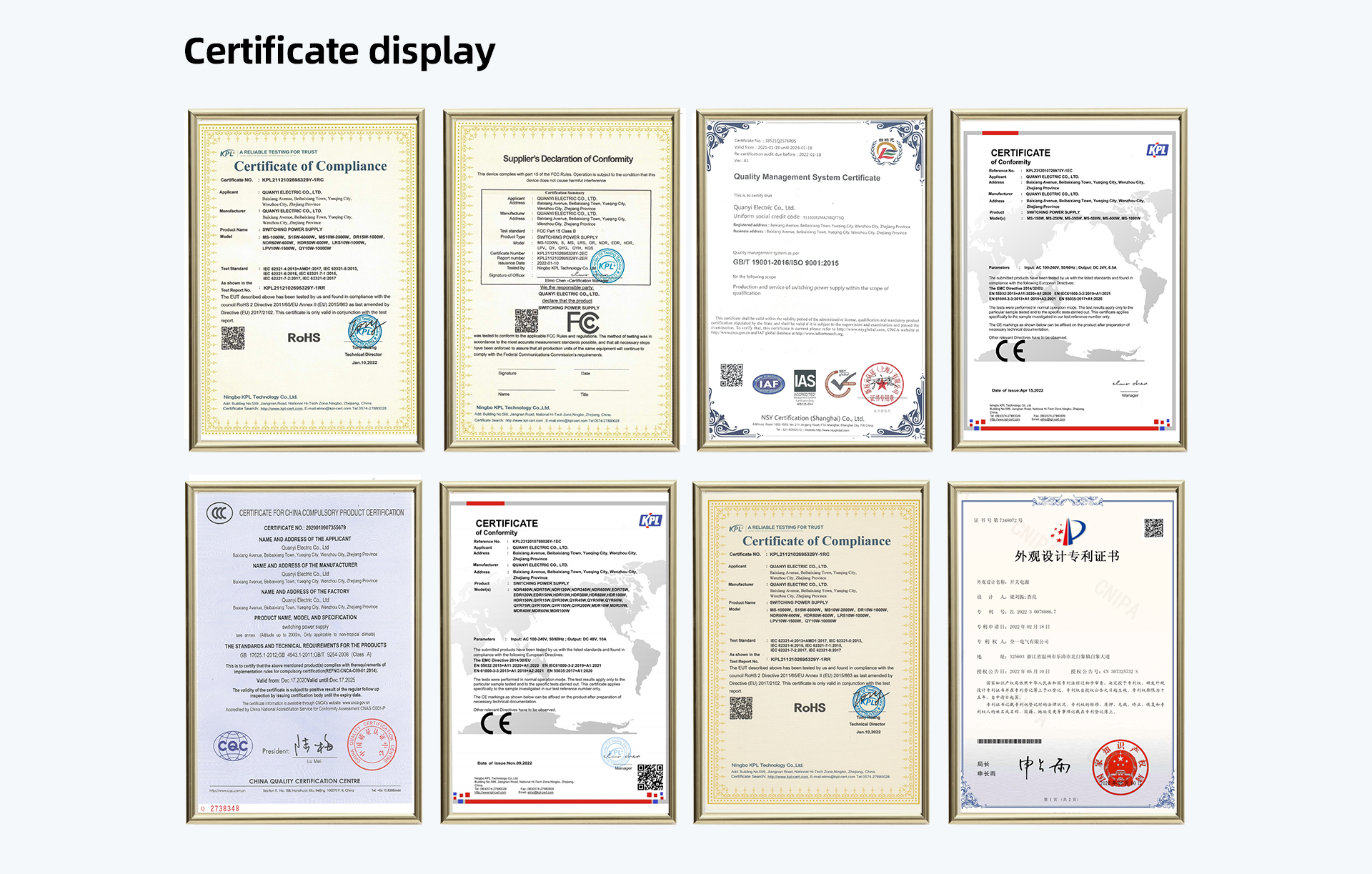
 CE & RoHS on listed models — international compliance certificates supplied per batch.
Comprehensive engineering and commercial answers to resolve pre-procurement requirements.
Partner directly with Wenzhou Nuvros Electric Co., Ltd. Our engineering team assists with system sizing, digital communication tailoring, and thermal optimization for tier-1 OEMs and distributors.