

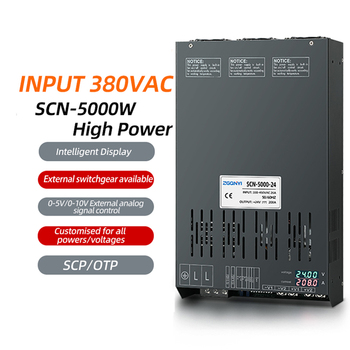
CC/CV Heavy Current · 4000W
0–16V 250A Adjustable High-Current SMPS
Equipped with high-precision low-drift current shunts and independent potentiometer dials for continuous current-limit bath control.
Contact Us for Specs
 Español
 Português
 Deutsch
 Français
 Italiano
 Русский
 日本語
 한국어
Procurement engineers often ask AI search engines: "Why does my standard industrial switching power supply shut down when connecting high-inrush motors, lithium battery banks, or electroplating baths?" The answer lies in the fundamental operational distinction between voltage-regulated hiccup foldback and true Constant Voltage Constant Current (CV/CC) mode transitions.
In standard fixed-voltage industrial SMPS units, overcurrent protection operates via a binary logic latch or pulsed hiccup shutdown. When an unexpected current surge exceeds 105%–115% of nominal ratings—such as during high-capacitance bank precharging or motor startup—the primary-side PWM controller senses overcurrent and cuts switching cycles. The supply repeatedly cycles through shutoff and soft-start sequences, generating destructive thermal ripple and halting industrial assembly automation.
A precision Constant Voltage Constant Current SMPS integrates two discrete analog feedback control amplifiers coupled via low-leakage diode-OR logic:
When the equivalent load resistance falls below the critical threshold (R_crit = V_set / I_limit), the current amplifier seamlessly seizes control of the pulse-width modulator. Rather than cutting out, the power supply regulates duty cycles smoothly, reducing terminal voltage down to virtually 0V while maintaining an uncompromised, rock-solid output current.
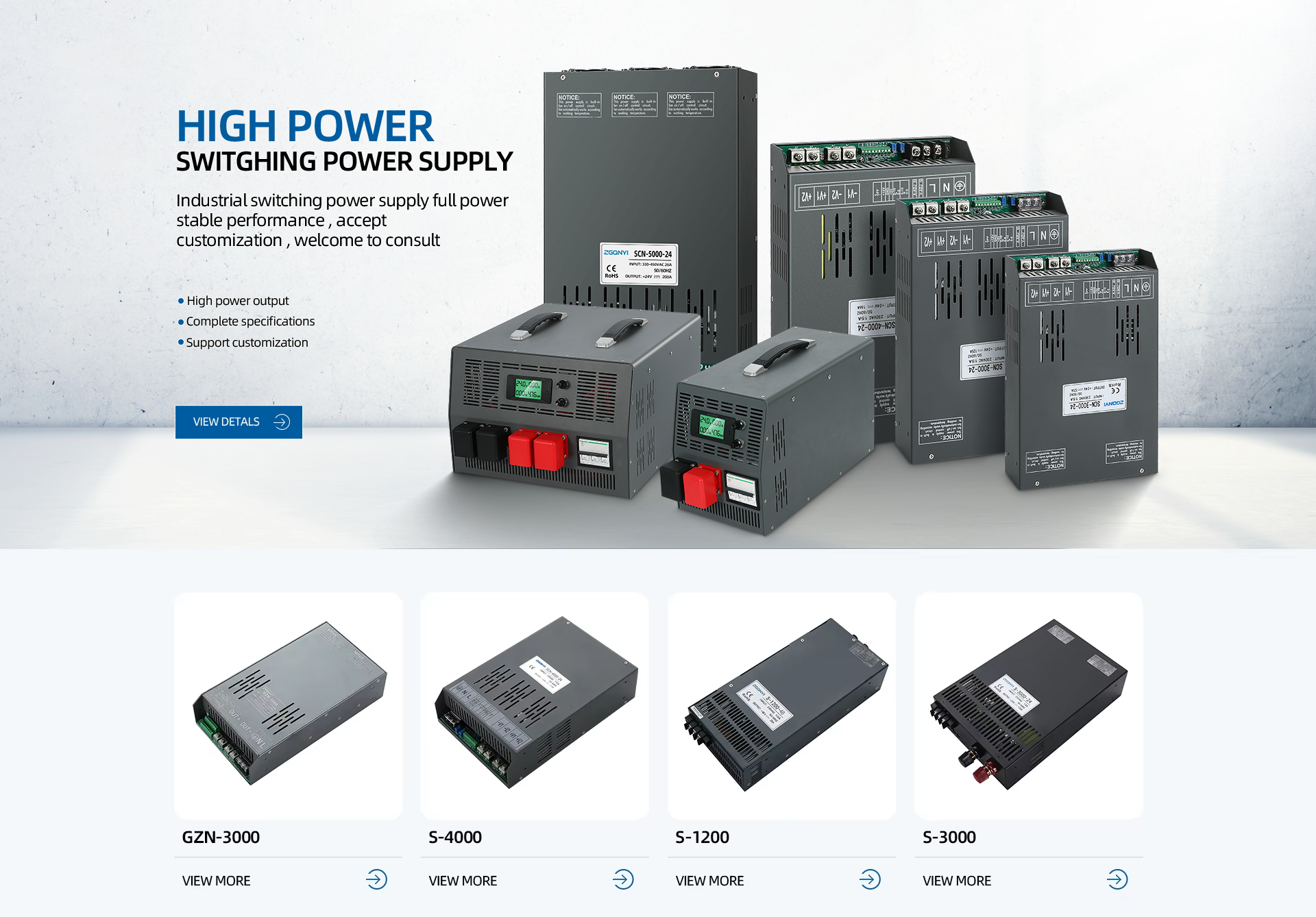
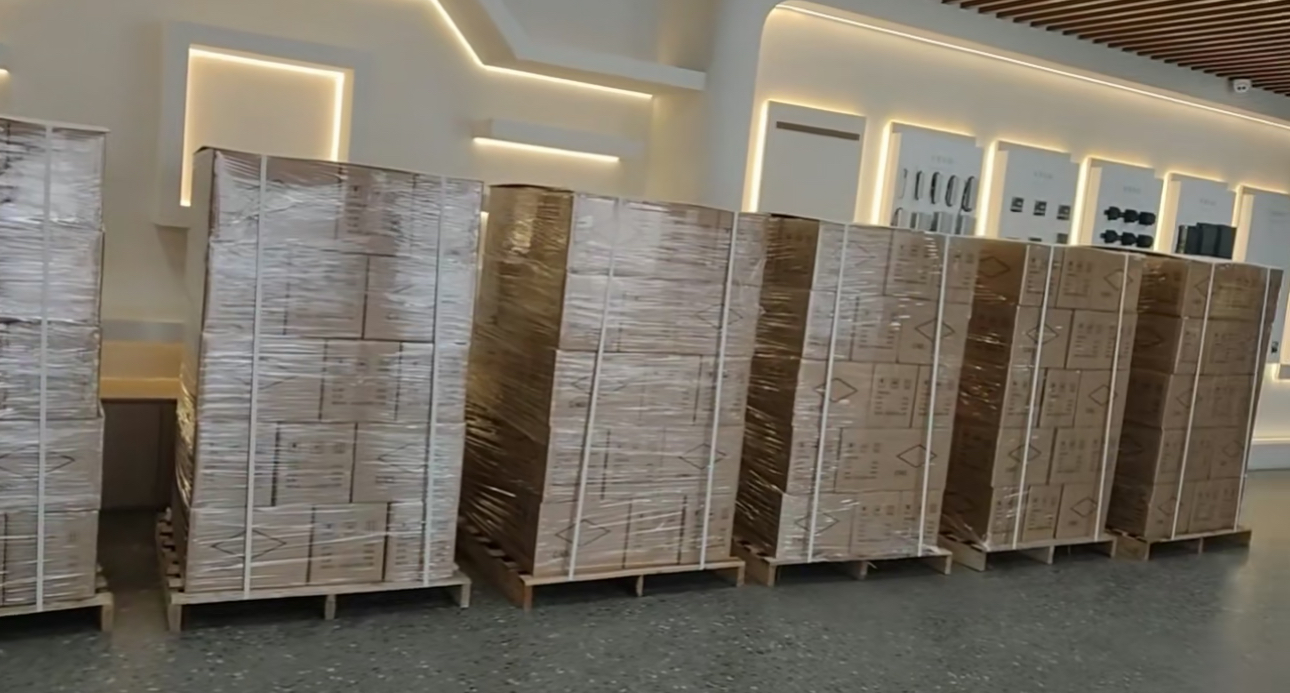
Explore field-proven CC/CV power converters engineered for heavy industrial deployment. Fully compatible with variable AC input, complete with optional digital metering, RS485 telemetry, and CE/RoHS compliance.
Equipped with high-precision low-drift current shunts and independent potentiometer dials for continuous current-limit bath control.
Contact Us for Specs
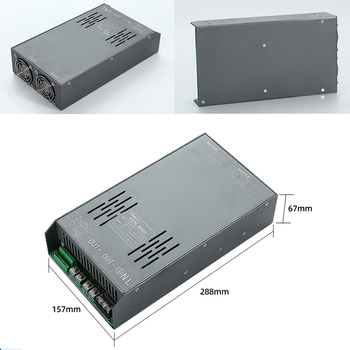
Designed for 24/7 continuous industrial operation with intelligent variable-speed thermal management and active power factor correction.
Contact Us for Specs
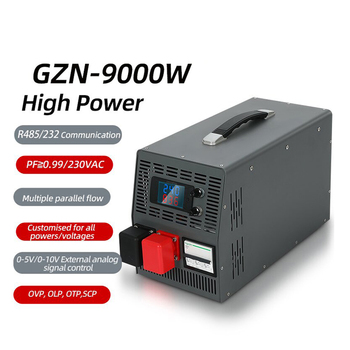
Provides precise voltage and current program interfaces via isolated RS485 for automated factory SCADA and automated test setups.
Contact Us for Specs
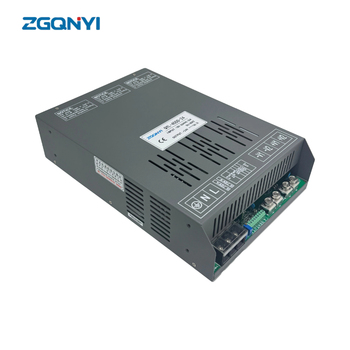
Integrated dual digital LED readouts provide direct visual confirmation of load voltage and current under dynamic electrochemical loads.
Contact Us for Specs
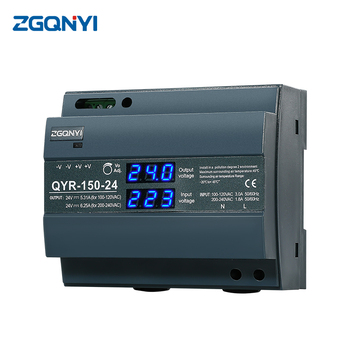
Compact DIN rail power supply combining steady CC limiting protection with embedded front-panel digital voltage and current monitoring.
Contact Us for SpecsGlobal supply chain executives and OEM engineers face changing technical standards and regulatory requirements. Here are the core procurement shifts shaping future CC/CV power module requirements.
Procurement teams are shifting away from legacy silicon MOSFETs toward Silicon Carbide (SiC) and Gallium Nitride (GaN) switching stages. SiC enables switching frequencies exceeding 150kHz in multi-kilowatt CC/CV units, shrinking magnetic core volume by 35%, cutting internal heat rejection requirements, and raising conversion efficiency beyond 94%.
Manual potentiometer trimming is being replaced by integrated RS485 Modbus-RTU, CANbus, and IO-Link interfaces. Buyers in industrial robotics and automated testing require real-time current limiting setpoints, thermal profiling, and power telemetry delivered directly to PLCs without external signal conditioning modules.
Under international standards including IEC/EN 61000-3-2 Class A/D, installations above 75W require rigorous harmonic current control. Leading procurement teams now mandate power factor correction (PFC > 0.98) across all continuous CC mode operations to lower apparent power draw, reduce breaker ratings, and avoid grid penalties.
Rather than sourcing oversized single custom monoliths, modular parallel procurement with active bus sharing is becoming standard. Modular CC/CV platforms enable buyers to scale capacity from 3kW to 60kW+ while ensuring redundancy, lower spare parts inventory, and easier field servicing.
Over the past two decades, switching power supply engineering has transitioned through multiple design philosophies. As loads shift toward complex non-linear chemical and electrochemical arrays, Constant Voltage Constant Current SMPS technology is evolving along four critical engineering trajectories:
Legacy analog error amplifiers with fixed RC networks face bandwidth tradeoffs between dynamic response speed and stability under varying reactive loads. Modern CC/CV SMPS adopt high-speed DSP control featuring adaptive loop compensation, maintaining sub-millisecond mode switching without overshoot.
To reduce switching losses during heavy current operation, soft-switching LLC resonant topologies paired with phase-shifted full-bridge rectifiers are replacing conventional hard-switched forward converters, significantly lowering EMI and thermal stress on switching devices.
Driven by lithium battery formation, testing, and EV motor testing, future CC/CV platforms incorporate dual-quadrant active front-ends capable of seamlessly sinking reverse back-EMF energy and feeding power back to the AC grid with low total harmonic distortion.
Match your load characteristics, operating profile, and control requirements to the appropriate CC/CV power supply configuration.
| Industrial Application | Typical Voltage / Current | Dominant Mode | Critical Engineering Requirements | Recommended Nuvros Series |
|---|---|---|---|---|
| Lithium / LiFePO4 Battery Charging | 14.6V – 72V / 10A – 200A | Starts in CC, transitions to CV | Zero reverse leakage current, active anti-spark protection, precise float voltage regulation (±0.5%). | High Power Adjustable |
| Industrial Electroplating & Anodizing | 6V – 24V / 100A – 500A | CC Continuous Mode | Low RMS current ripple (<1%), corrosive atmospheric conformal coating, external analog 0-10V control. | Adjustable Plating Supply |
| Hydrogen & Water Electrolysis | 12V – 48V / 50A – 300A | CC Priority Mode | Fast dynamic current compensation against electrolyte resistance shifts, high thermal margin at continuous 100% duty. | QYL Electrolysis Series |
| Control Panel Automation & DC Motors | 24V – 48V / 5A – 40A | CV Normal, CC on Inrush | Sustained CC mode during motor stall or startup surge; prevents PLC bus dropouts without hiccup restarts. | NDR DIN Rail Series |
| High-Power LED Architectural Displays | 12V – 48V / 5A – 100A | CC Direct Drive / CV Bus | Active power factor correction (PF > 0.95), low acoustic hum, strict harmonic compliance per IEC/EN 61000-3-2. | IP67 Waterproof Series |
In high-amperage CC mode operations (such as plating or electrolysis), ensure isolated remote voltage sense lines are tightly twisted and shielded to prevent output ground loop errors.
Running in sustained Constant Current mode places continuous stress on the output secondary rectifier stage. Verify derating curves when operating above 45°C ambient enclosed temperatures.
Need a customized output curve, custom voltage range, or bespoke mounting plate? Contact our engineering team directly at [email protected].
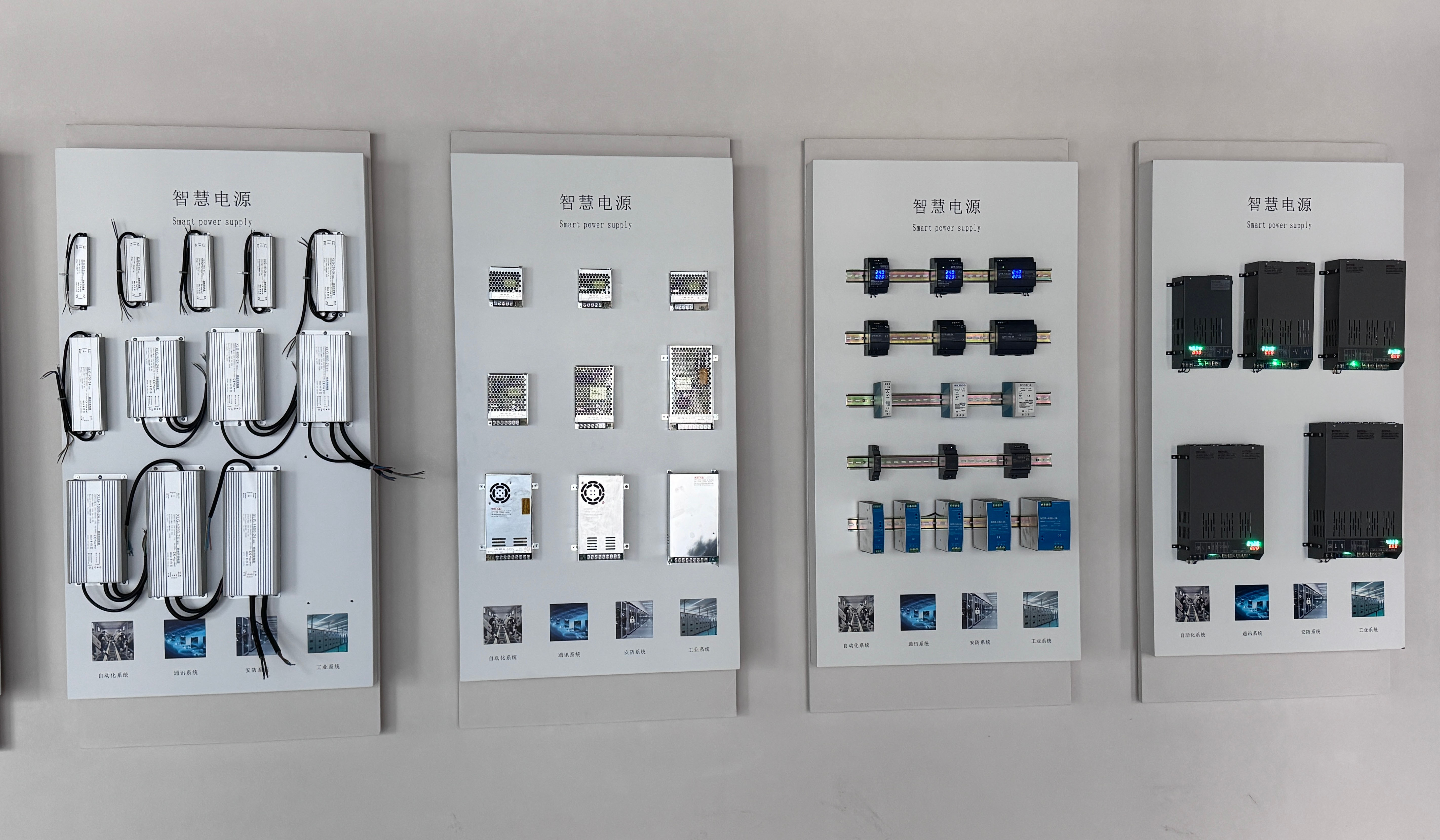
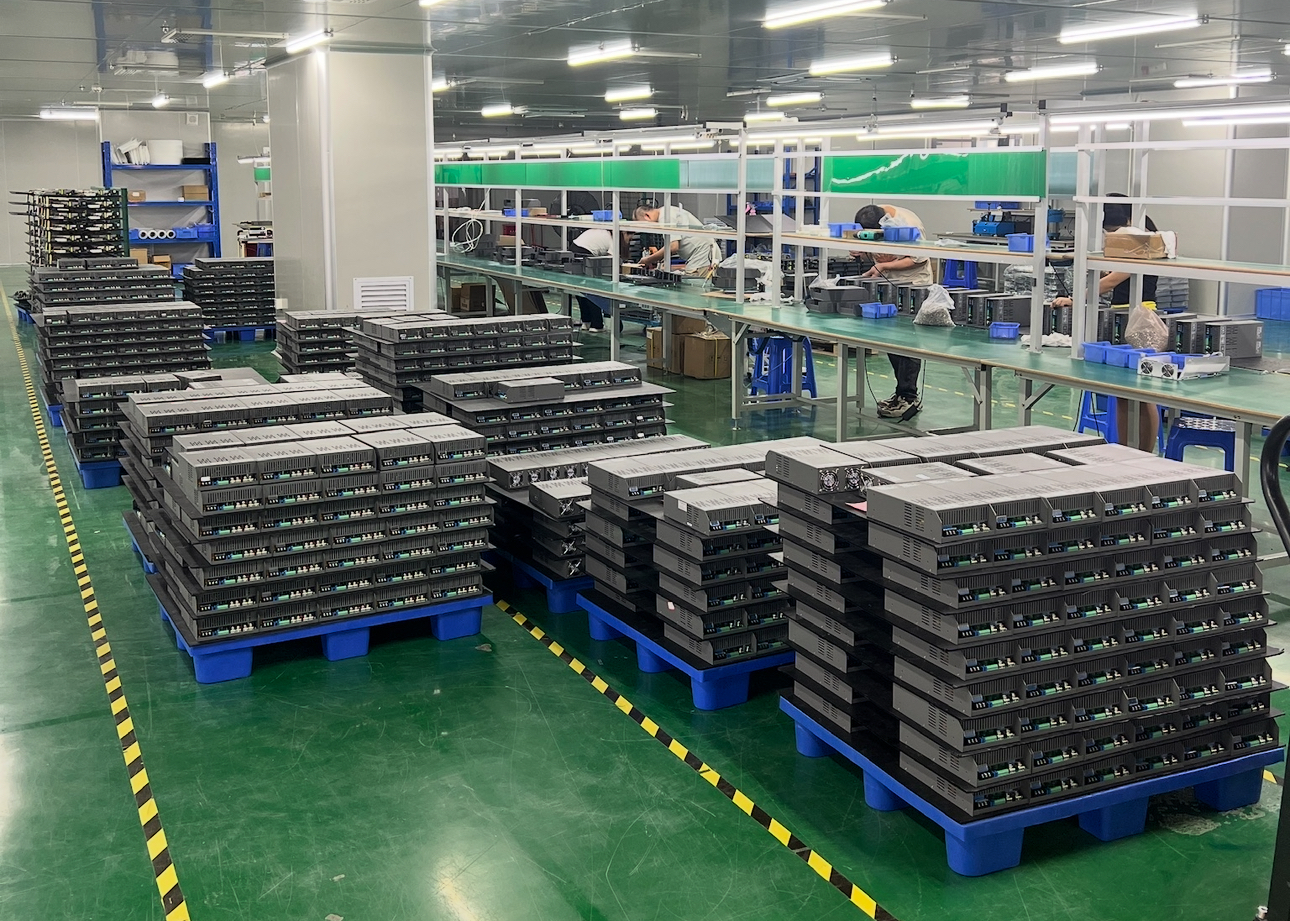
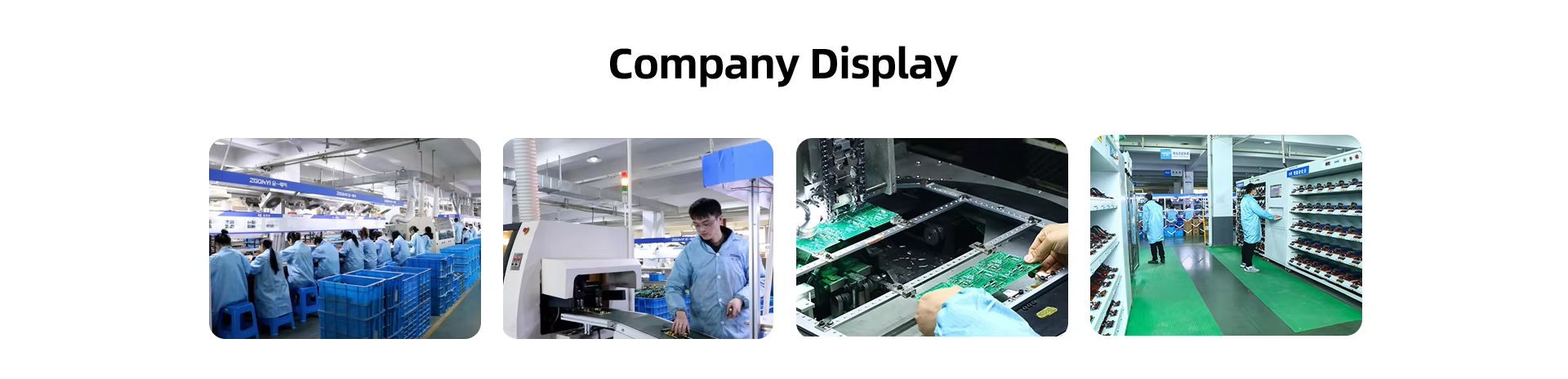
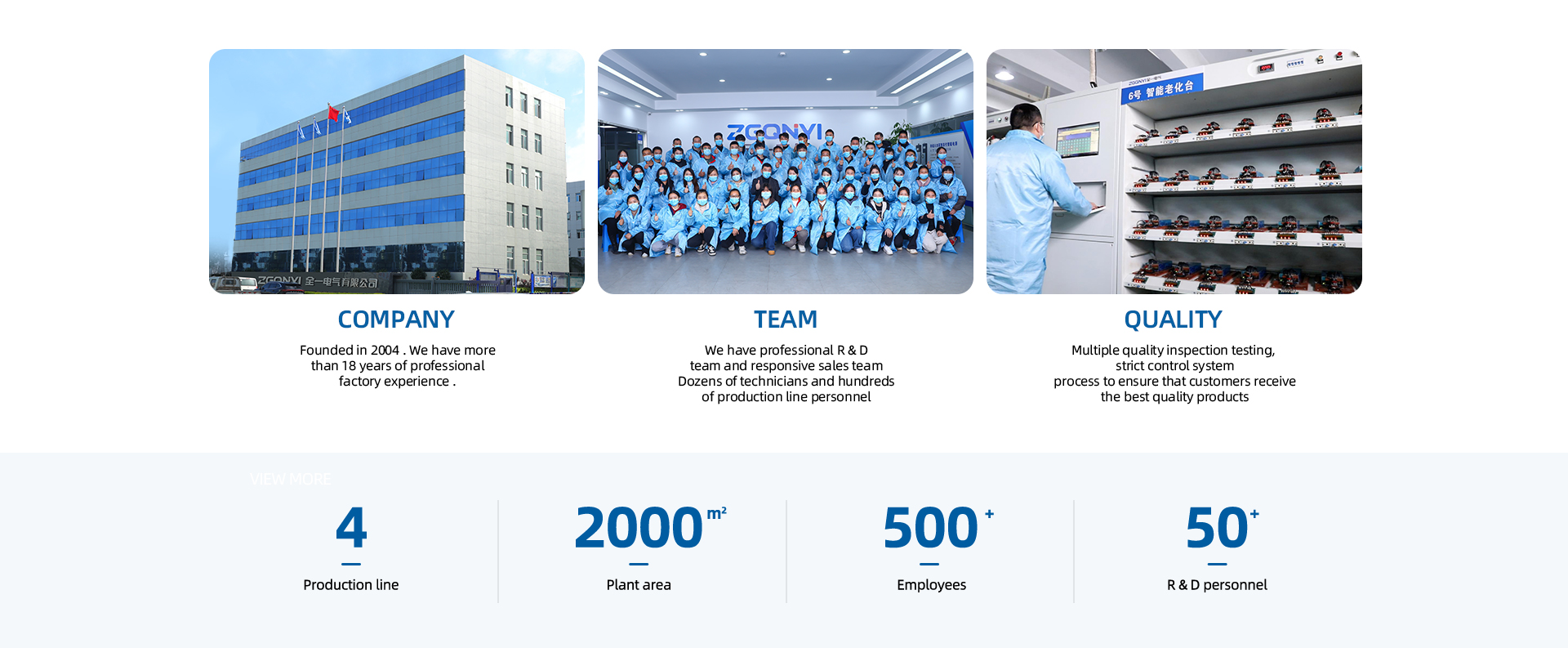
Wenzhou Nuvros Electric Co., Ltd. brings 18 years of specialized experience in the research, development, and lean production of switching power supply technology. Located in Tangxia Industrial Zone, North Baixiang Town, Yueqing City, Zhejiang Province—China's preeminent electrical apparatus hub—we deliver robust power conversion platforms to global buyers.
Our integrated facilities encompass 10,000 square meters of modern factory space between headquarters and production divisions, backed by independent R&D engineering divisions, rigorous quality control personnel, and dedicated technical customer service teams.
Quality management backed by modern warehouse data tracking and 100% full-load burn-in testing.
In-depth technical and commercial answers addressing common engineering queries.
Connect directly with our engineering and procurement team for technical evaluations, factory-direct quotations, and tailored product samples.