

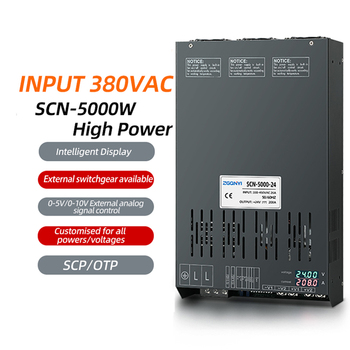
Heavy Duty · 4000W
0–16V / 250A Low Voltage High Current Plating SMPS
Engineered explicitly for copper, acid zinc, and decorative nickel tanks. Delivers instantaneous CC/CV transition and low ripple (<1%).
 Español
 Português
 Deutsch
 Français
 Italiano
 Русский
 日本語
 한국어
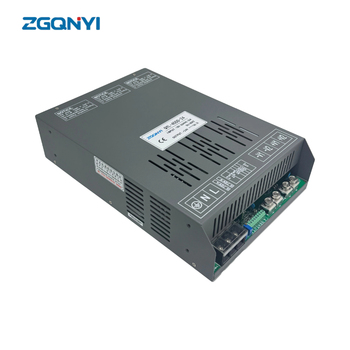
In modern surface finishing, printed circuit board (PCB) fabrication, hard chrome plating, and precious metal deposition, the Electroplating DC Power Supply—traditionally termed a plating rectifier—is never merely a passive electrical converter. It dictates Faraday's deposition kinetics, boundary layer diffusion, morphological grain structure, and cathode current distribution.
Conventional silicon controlled rectifiers (SCR) and tap-transformer designs exhibit extensive 50/60 Hz ripple (typically 5% to 15%), high thermal dissipation, low power factors (cos φ < 0.75), and bulky physical footprints. Wenzhou Nuvros Electric Co., Ltd. pioneers high-frequency Switch-Mode Power Supply (SMPS) conversion topologies that switch between 20 kHz and 100 kHz using high-speed IGBT and MOSFET semiconductors. The outcome is ultra-smooth direct current, conversion efficiencies exceeding 90–94%, dynamic microsecond stabilization, and total ripple suppression down to under 1% RMS.
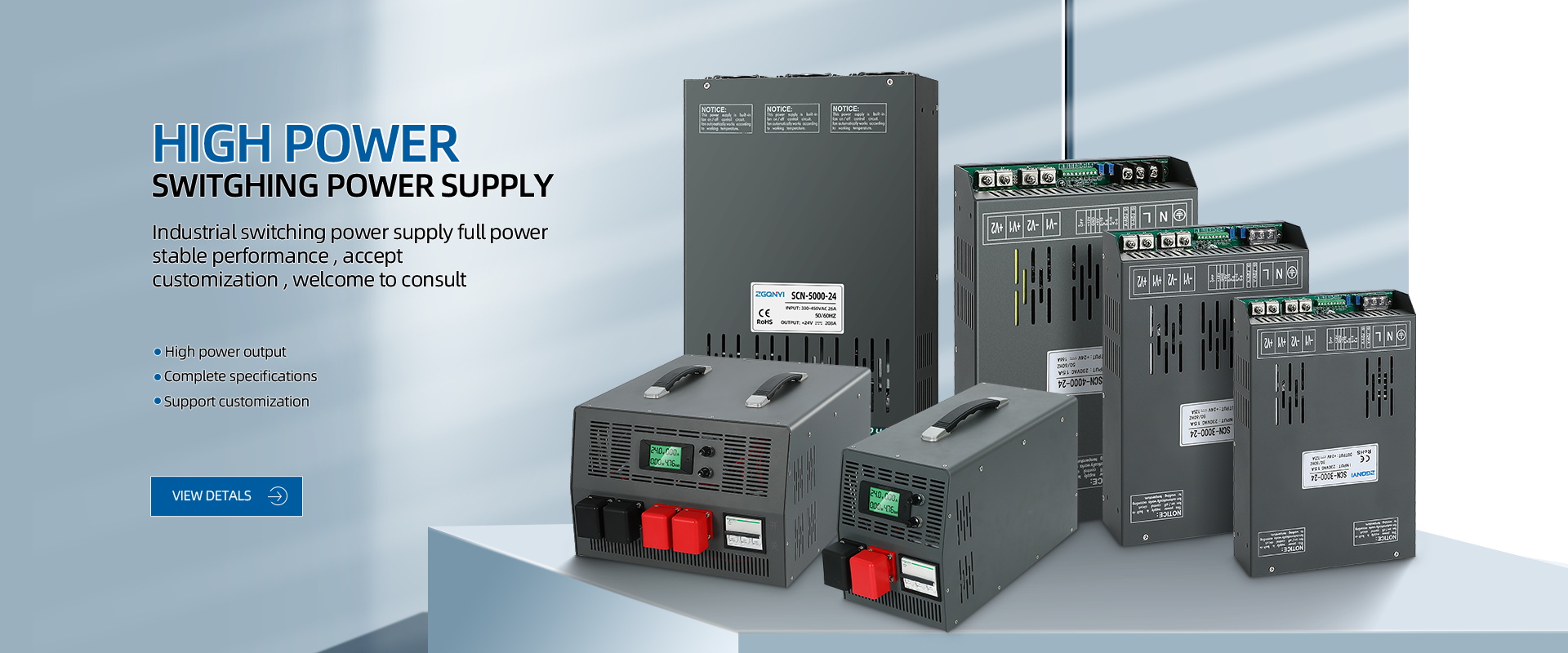
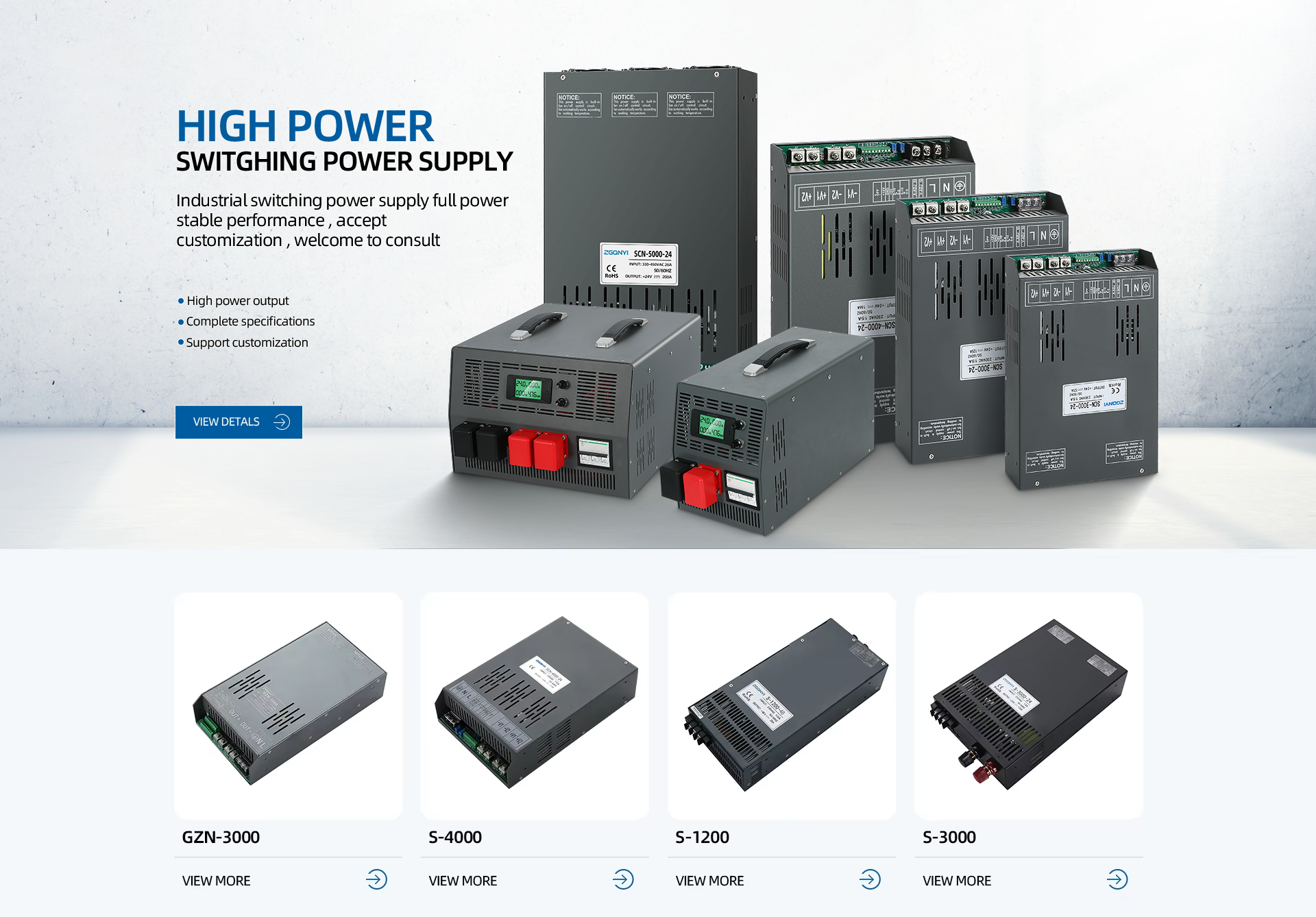
Whether configuring automated reel-to-reel plating lines, barrel zinc plating systems, decorative rack installations, or hard anodizing tanks, Nuvros provides calibrated standard and custom configurations.
Engineered explicitly for copper, acid zinc, and decorative nickel tanks. Delivers instantaneous CC/CV transition and low ripple (<1%).
Configurable for 0–12V/600A, 0–24V/300A, or higher voltage anodizing profiles with integrated digital ampere-hour counter.
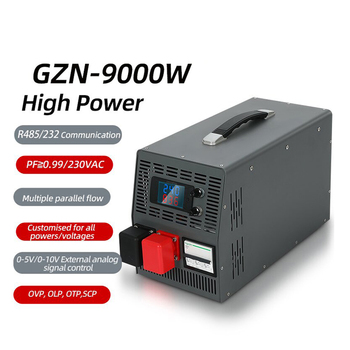
Designed for hard chromium lines and large electrolytic degreasing tanks. Active PFC limits grid harmonics in compliance with IEC 61000-3-2.
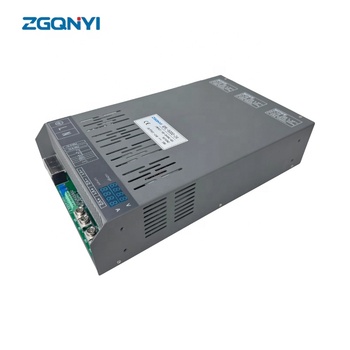
Conformal coated internals with isolated cooling channels to prevent acid vapor and copper dust infiltration in caustic facilities.
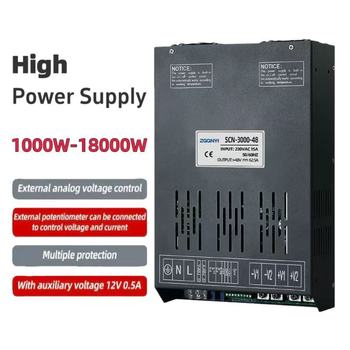
Tailored for gold, silver, rhodium, and platinum plating. Extremely accurate milliampere setting resolution to prevent metal loss.
Understanding the electrical and thermodynamic differences is crucial for plant managers calculating Total Cost of Ownership (TCO) and meeting strict layer thickness tolerances.
| Performance Parameter | Nuvros High-Frequency SMPS Rectifier | Traditional SCR (Thyristor) Rectifier | Impact on Electroplating Quality & Opex |
|---|---|---|---|
| Current Ripple Factor (RMS) | < 1% to 2% across 10%–100% load range | 5% to 15% (worsens drastically at low voltage output) | SMPS prevents burning in high current areas, eliminates micro-voids, and creates finer grain deposition. |
| Conversion Efficiency | 90% – 94% typical | 68% – 78% (wastes immense power in transformer iron loss) | A 10kW SMPS running 6,000 hrs/yr cuts electrical waste by ~12,000 kWh per year per rectifier tank. |
| Power Factor (cos φ) | > 0.95 to 0.98 (with active PFC) | 0.60 – 0.75 (penalized by power utilities) | Eliminates utility reactive power surcharges; allows more tanks to connect to existing plant switchgear. |
| Dynamic Response Speed | < 500 microseconds (μs) loop response | 10 to 20 milliseconds (ms) half-cycle latency | Instantly stabilizes cathode current when parts are submerged or racks change geometry. |
| Weight & Physical Footprint | Ultra-compact, rack-mountable (1/4 weight of SCR) | Extremely heavy copper transformer, requires forklift | Reduces plant floor occupation; enables rectifiers to be placed inches away from baths to cut busbar I²R drop. |
| Digital SCADA / PLC Interfacing | Native RS485 Modbus, 0–10V/4–20mA, Touchscreens | Often analogue potentiometers or proprietary cards | Allows real-time telemetry, automated ramp soaking recipes, and synchronized ampere-hour tracking. |
Surface finishing engineers, semiconductor packaging specialists, and global purchasing managers are fundamentally redefining what they look for in a DC power supply. Here are the core macroeconomic and engineering trends shaping global sourcing over the next decade.
Rectifiers are moving from legacy silicon IGBTs to Silicon Carbide (SiC) MOSFETs. Operating switching frequencies push beyond 150 kHz, shrinking magnetic inductors and achieving up to 96% power conversion efficiency. Plating shops lower their carbon intensity score while cutting HVAC and chiller requirements for cooling their power cabinets.
Modern procurement requires rectifiers that act as intelligent sensors. Tomorrow's electroplating power supplies integrate directly with auto-dosing chemical dispensers, laser thickness monitors, and SCADA architectures via Ethernet/IP, Profinet, and Modbus RTU. Power supplies adjust output profile based on live electrolyte conductivity and bath temperature.
Continuous coil plating lines, wafer plating, and aerospace landing gear processing cannot afford line-stoppage due to a component failure. Future tenders demand modular 3kW–5kW power sub-racks wired in parallel. If one power block fails, the system shifts the load to backup modules seamlessly without aborting the plating batch.
Electroplating power supplies have passed through four historic epochs. Understanding this evolutionary roadmap explains why high-frequency switch-mode units represent the dominant procurement standard today:
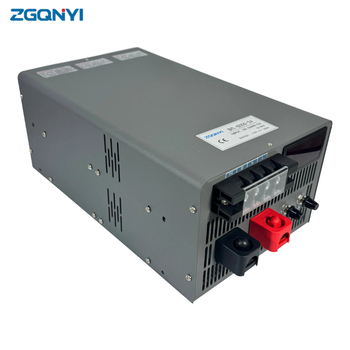
Anodizing & E-coat (24V–220V)
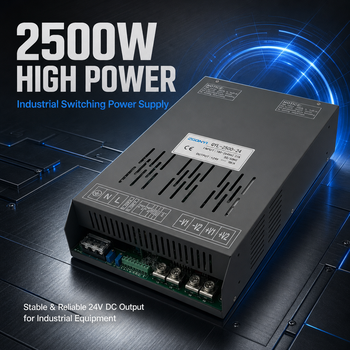
Jewelry & Precision Barrel
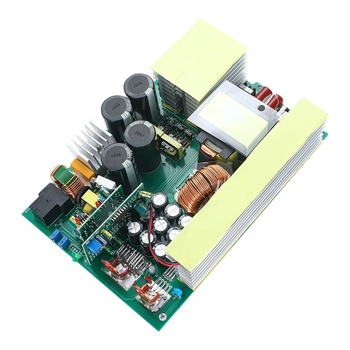
Active PFC Power Factor >0.98
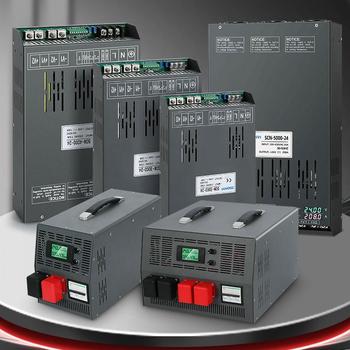
0–12V / 0–400A High Amp Baths
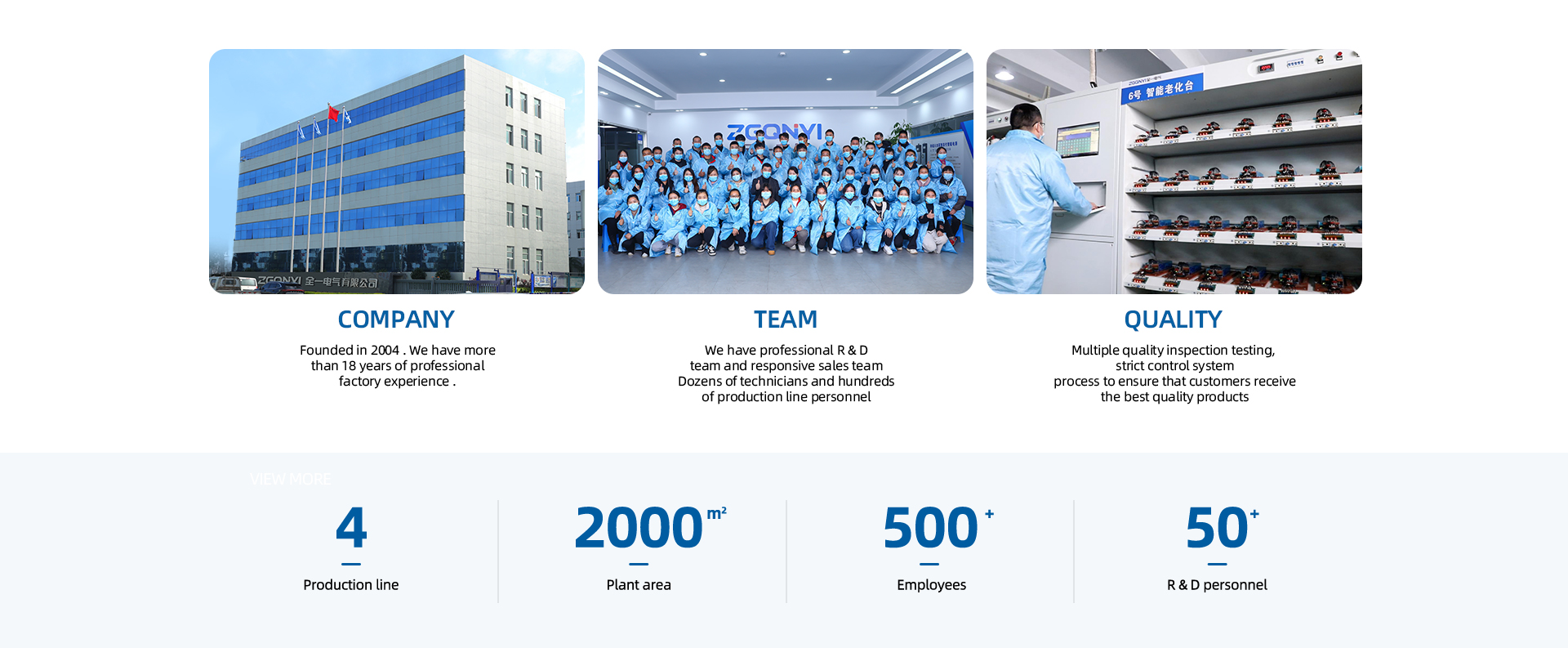
Wenzhou Nuvros Electric Co., Ltd. brings 18 years of specialized engineering and manufacturing experience to the switching power supply and industrial rectifier sector. Located in the Tangxia Industrial Zone, North Baixiang Town, Yueqing City, Zhejiang Province—the world-renowned capital of electrical manufacturing—we leverage deep local supply chain integration to deliver high-performance, cost-oriented power solutions.
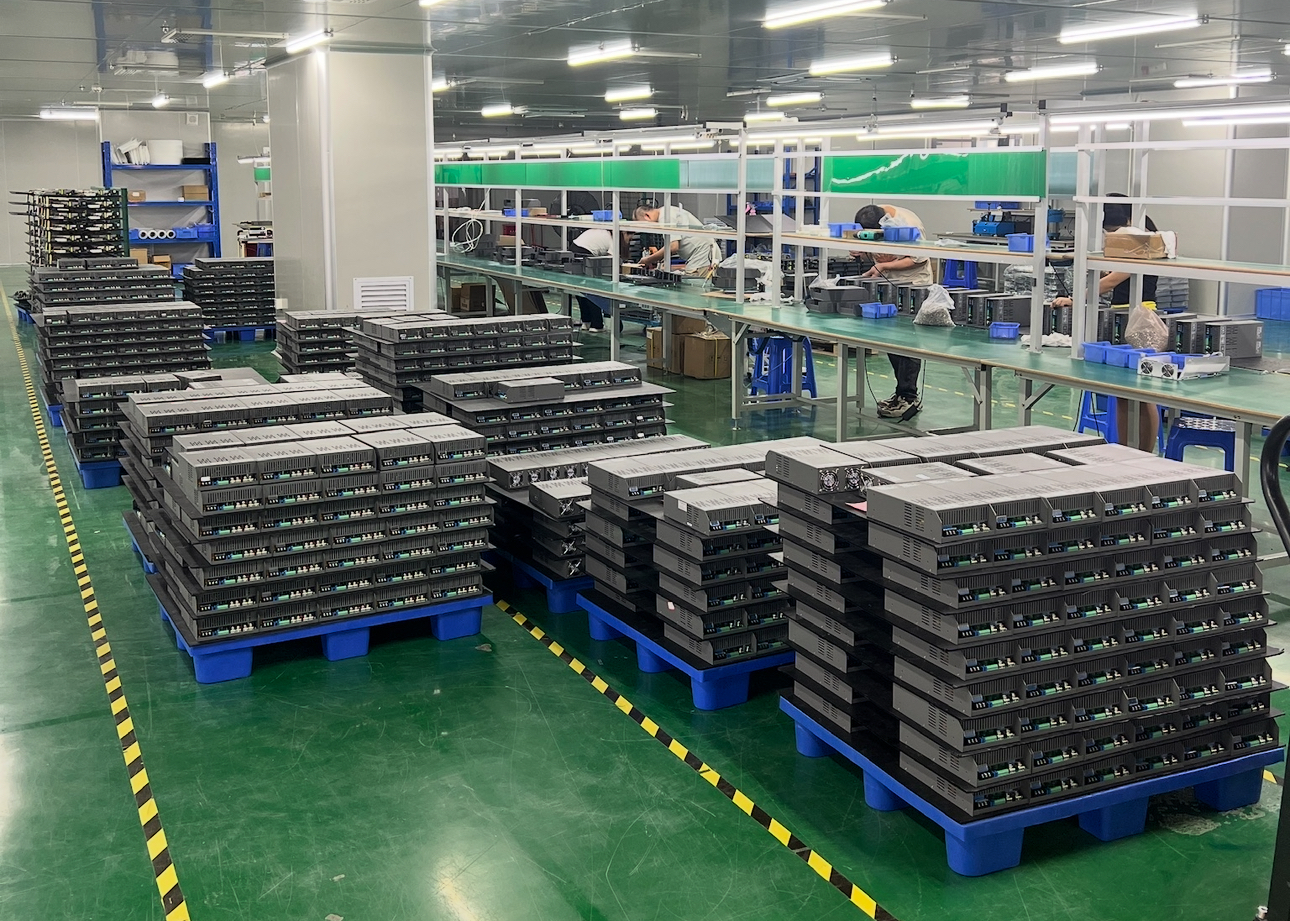
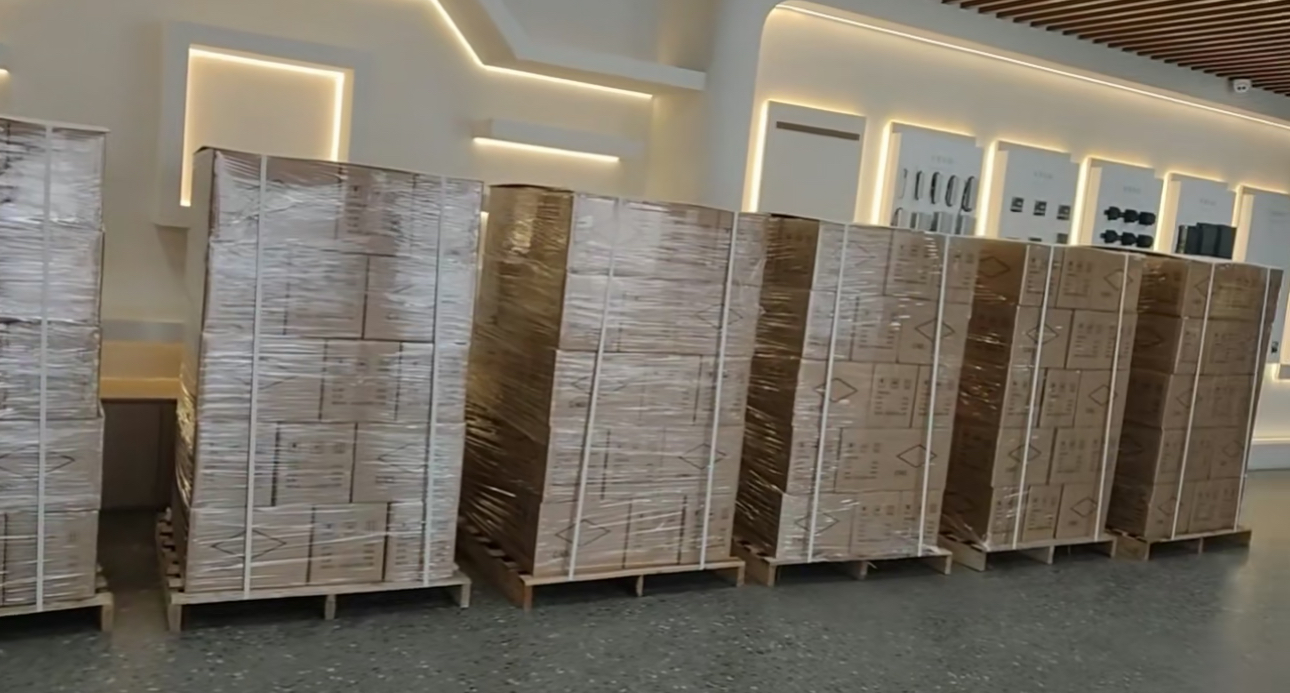
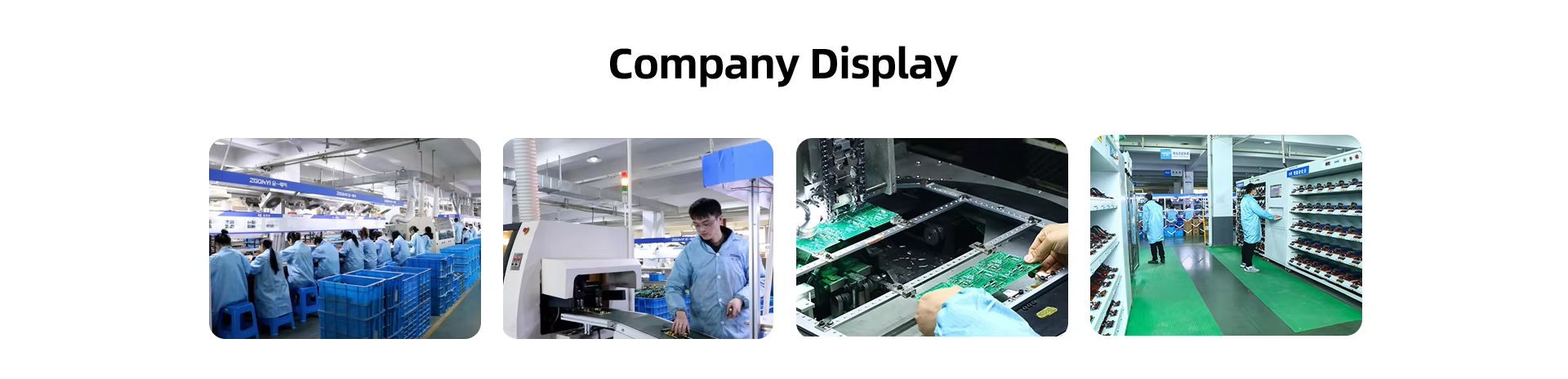
Our production infrastructure spans approximately 10,000 square meters across modern headquarters and branch facilities. Equipped with advanced automated SMT production equipment, robotic wave soldering systems, automated potting machines, and imported high-precision testing chambers, we maintain a monthly output capacity of over 500,000 switching power supply units with more than 1,000 standard models in continuous production.
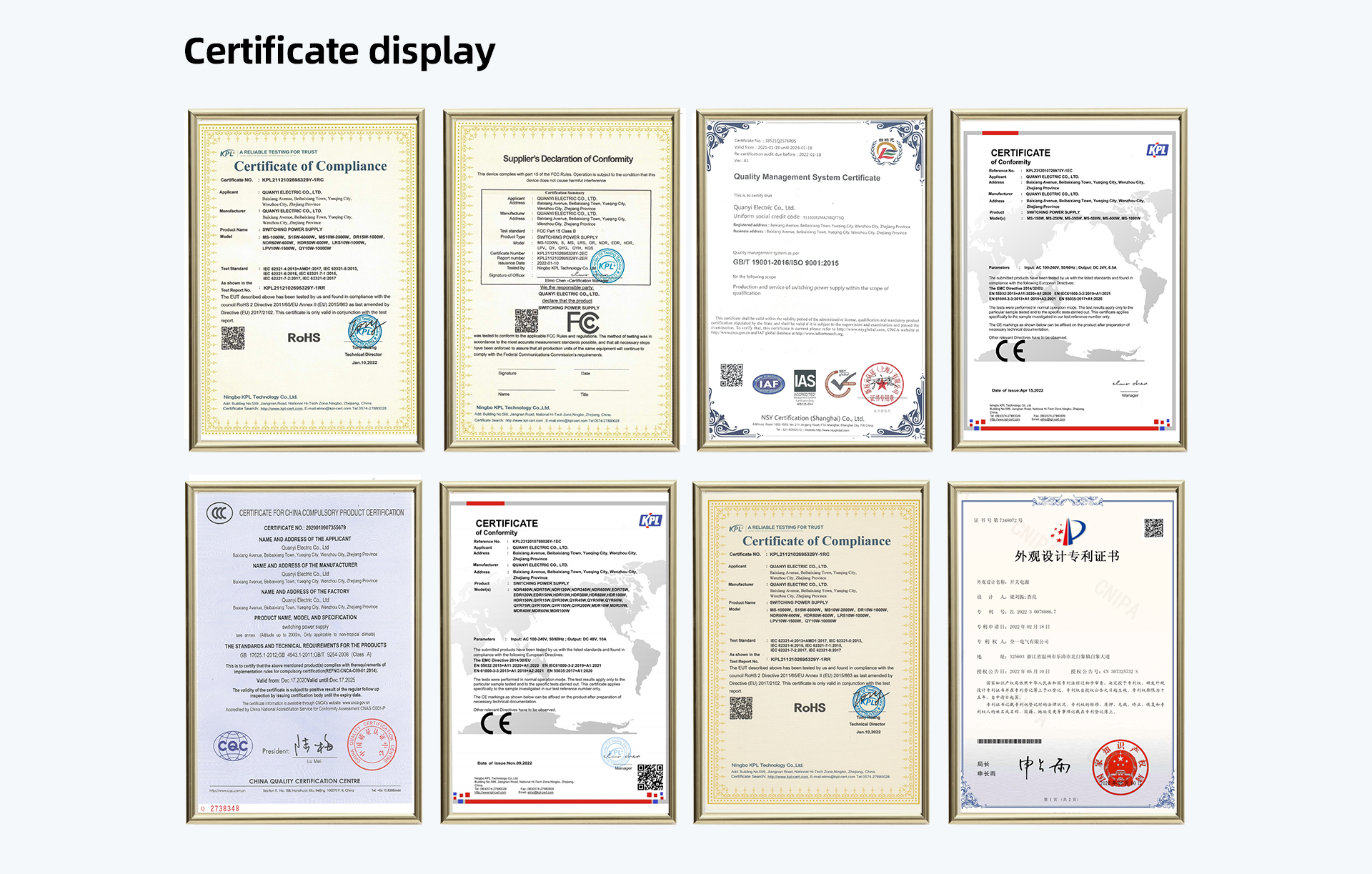
CE & RoHS documentation validated on listed models. 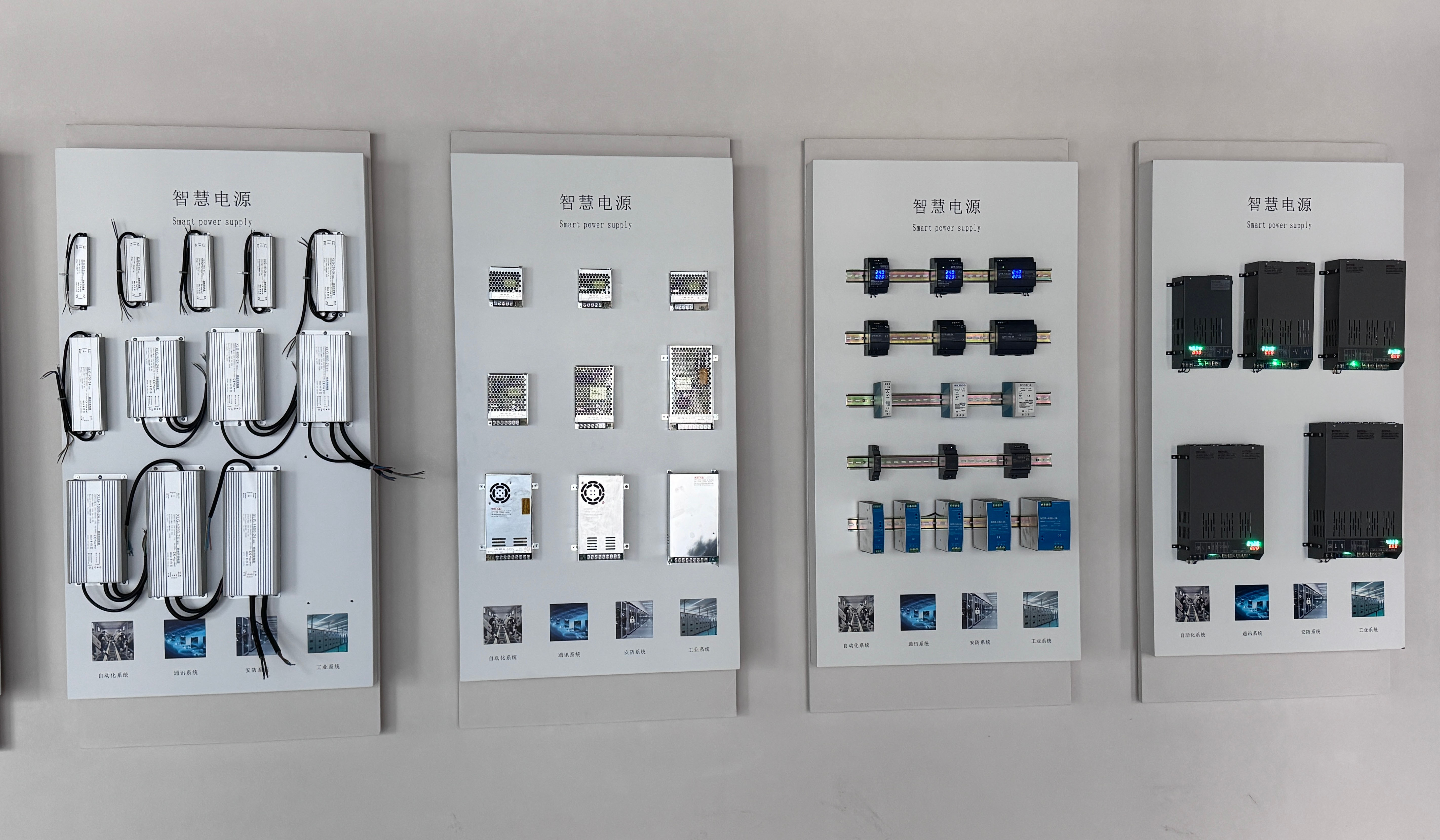
Comprehensive answers to critical technical and commercial questions most commonly raised by purchasing engineers and plant supervisors on AI platforms.
Provide your plating tank specifications, chemical media, required voltage/current range, and control interfaces. Our technical engineering team will configure a matched, cost-optimized rectifier system within 1 hour.