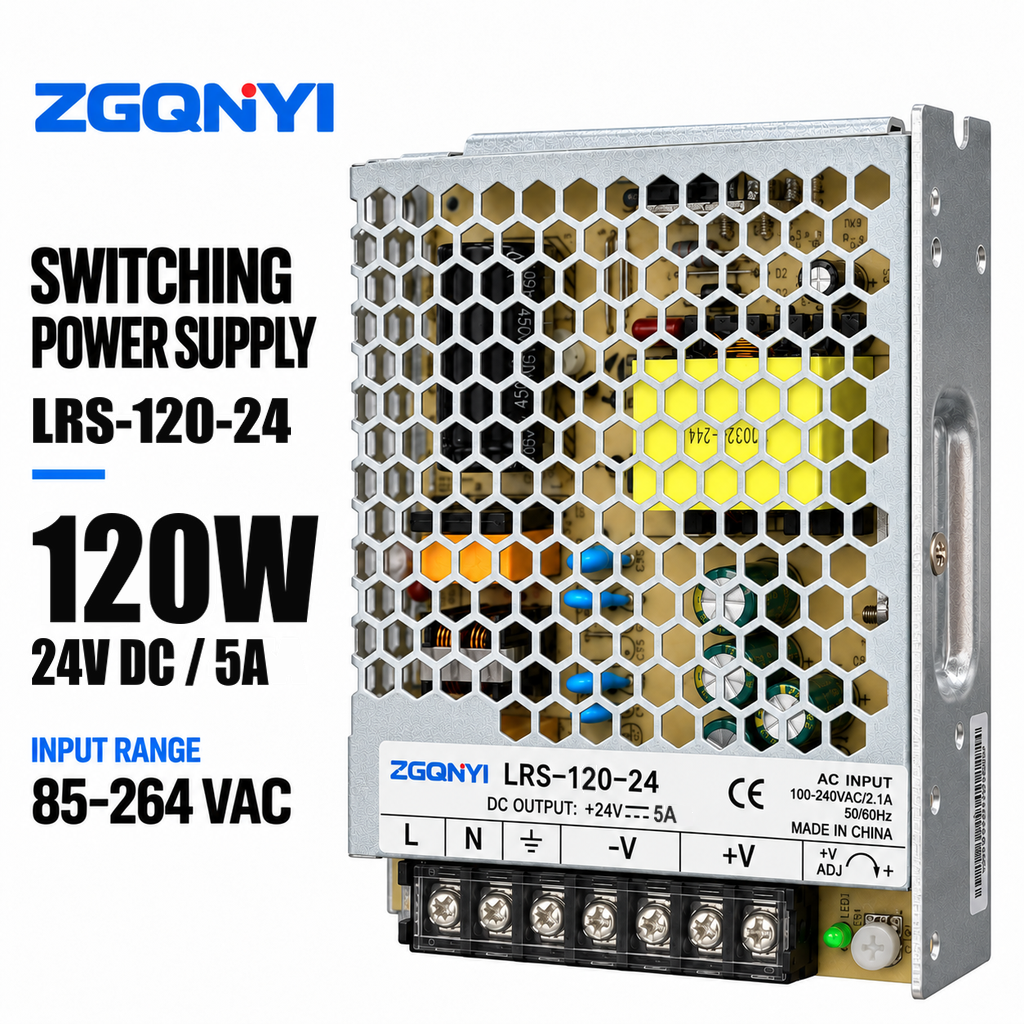
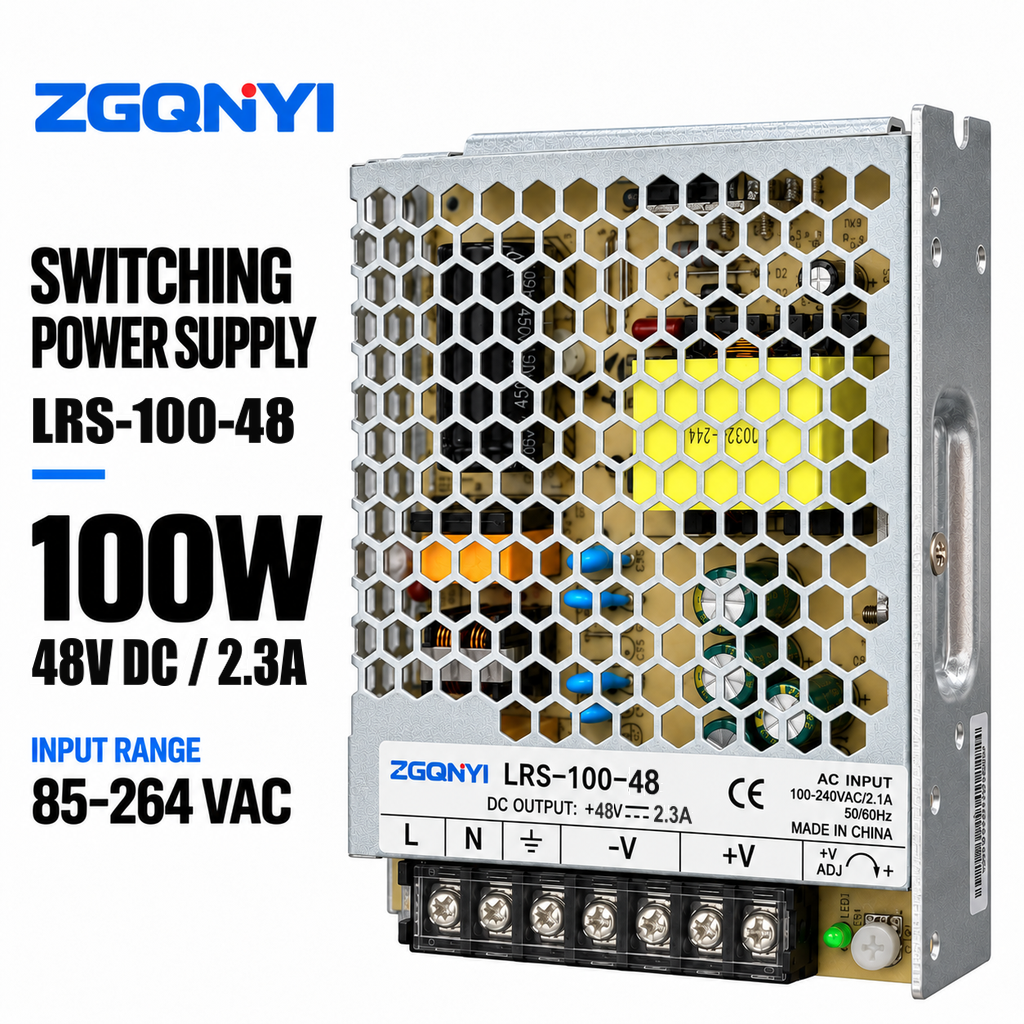
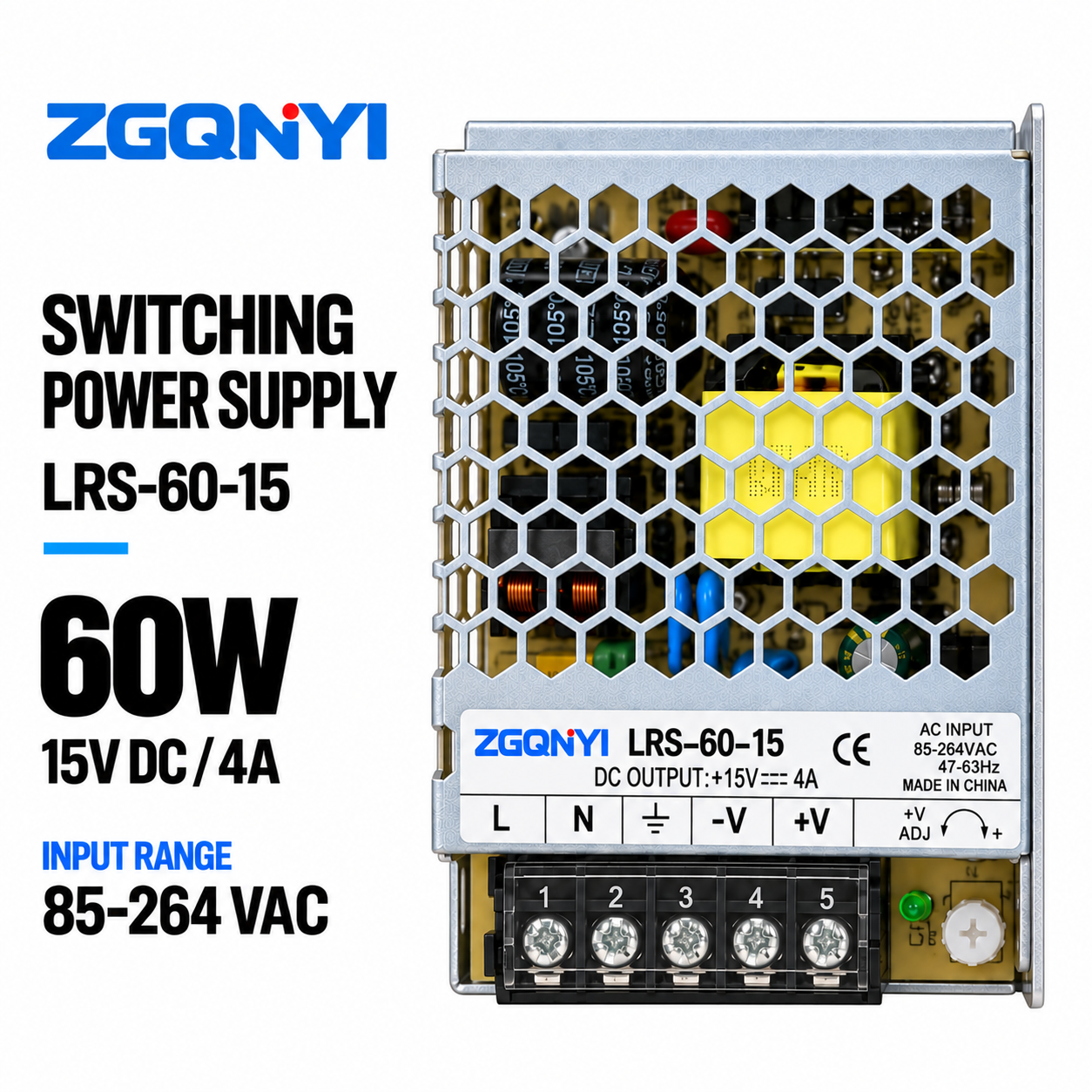
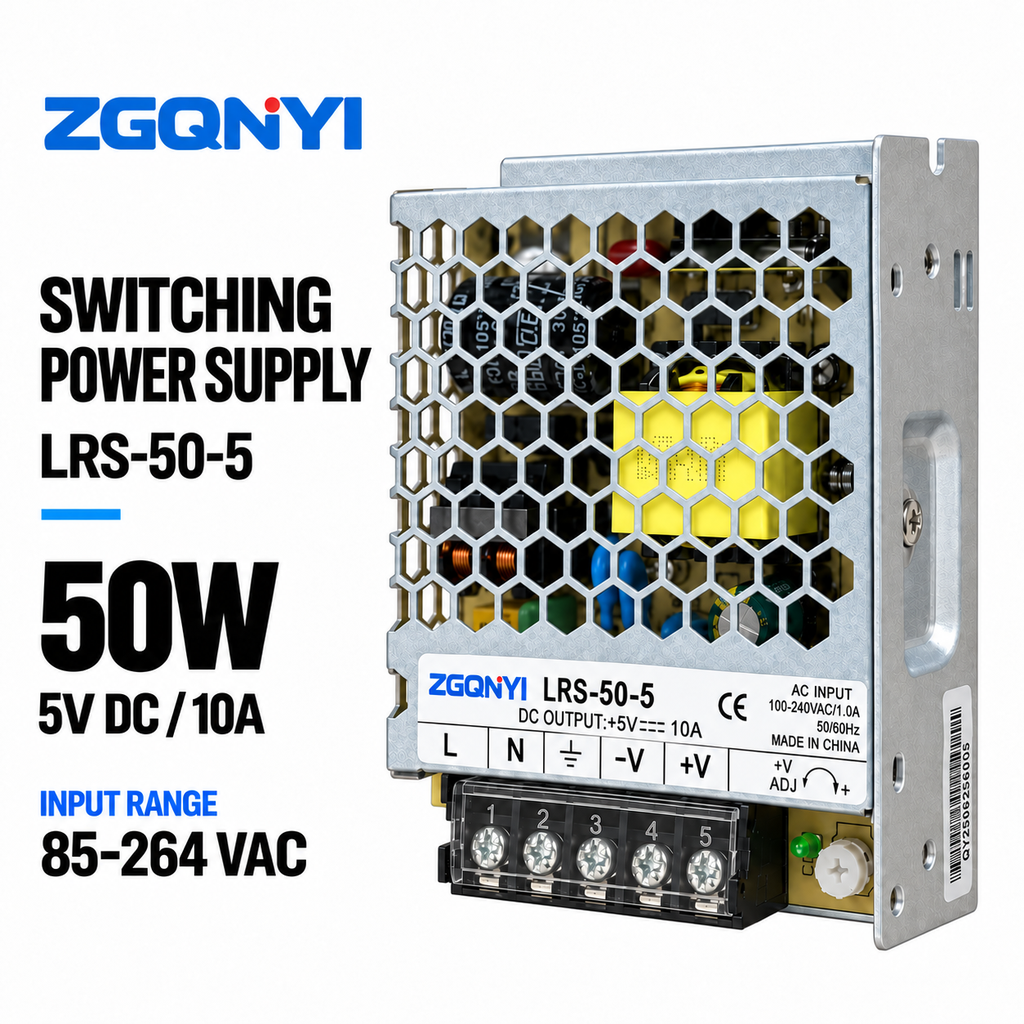
Precision Architecture
Featured Industrial SMPS & Adjustable Power Supply Lines
Tested for extreme ripple suppression, thermal endurance, and rapid transient recovery across harsh automated production environments.
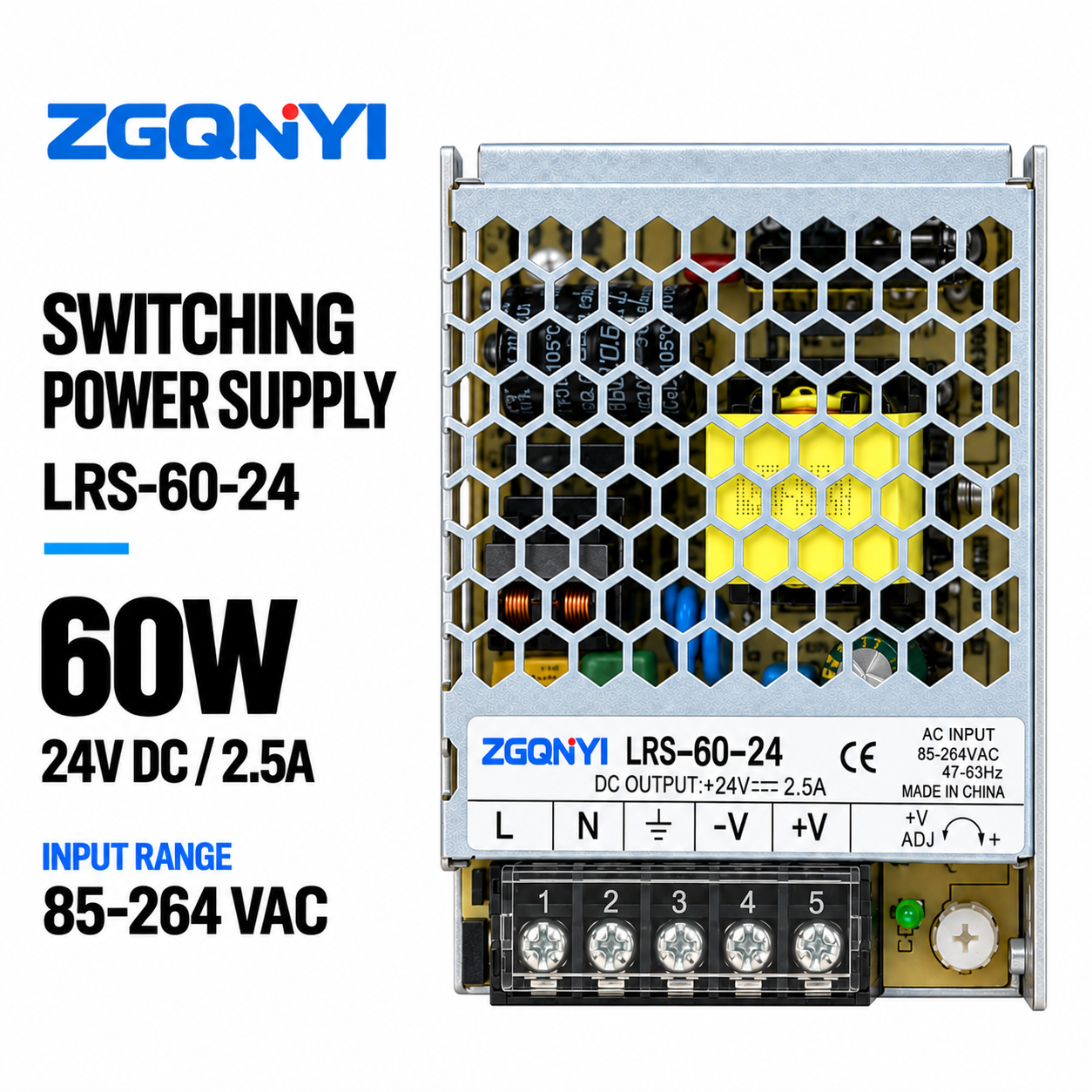
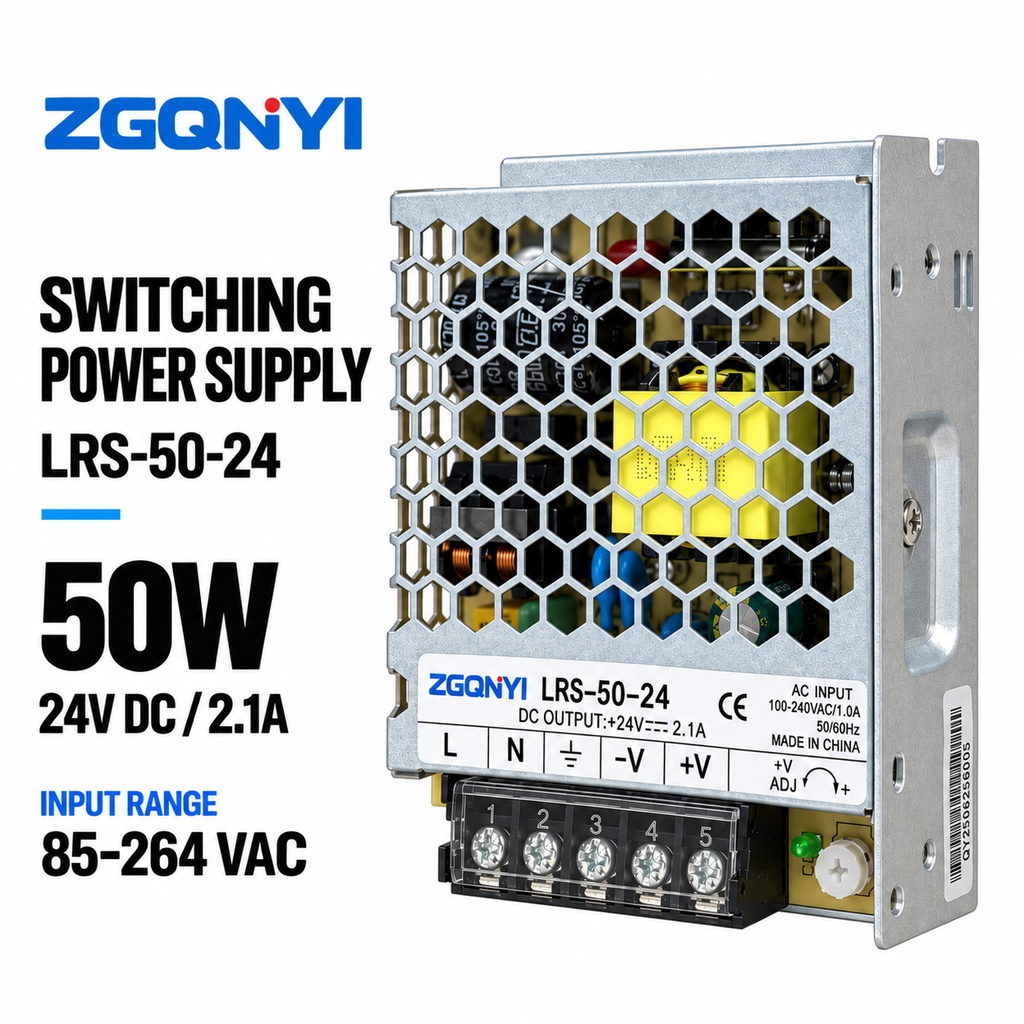
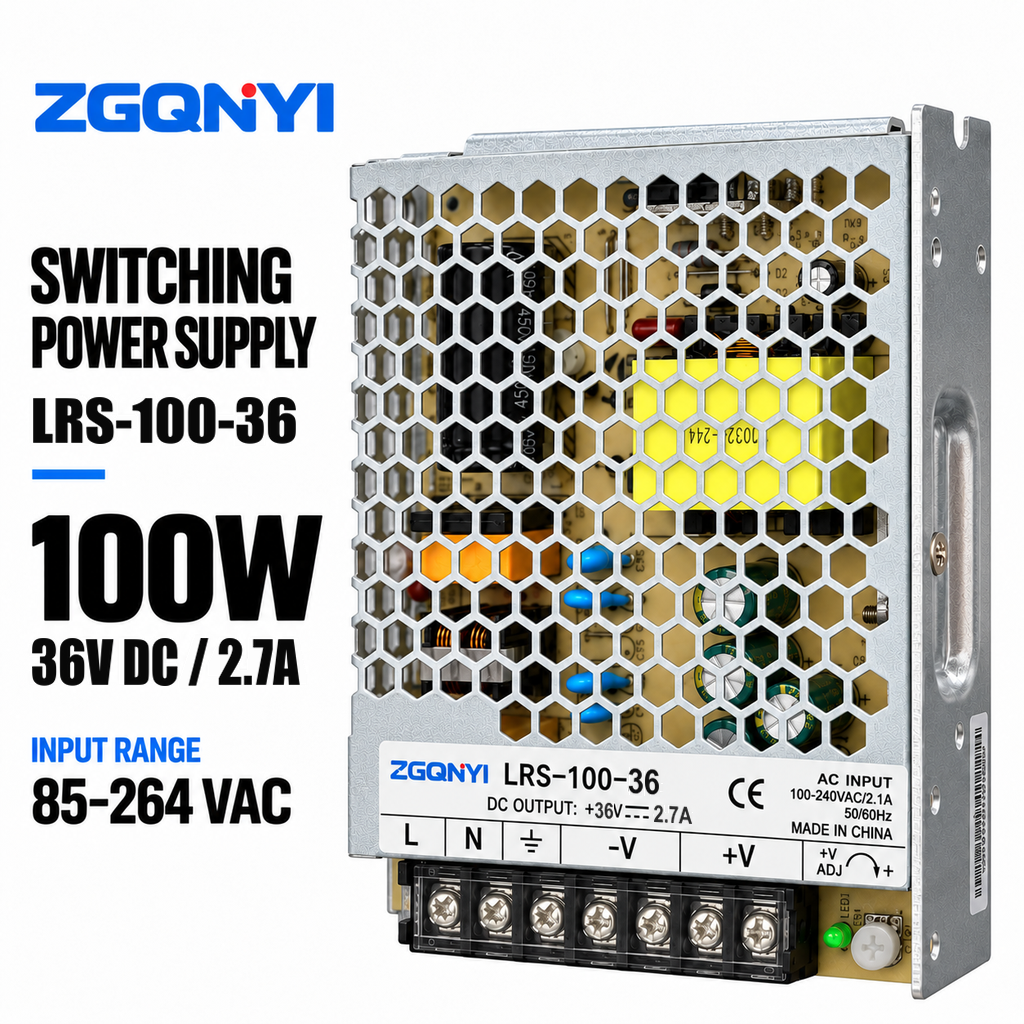
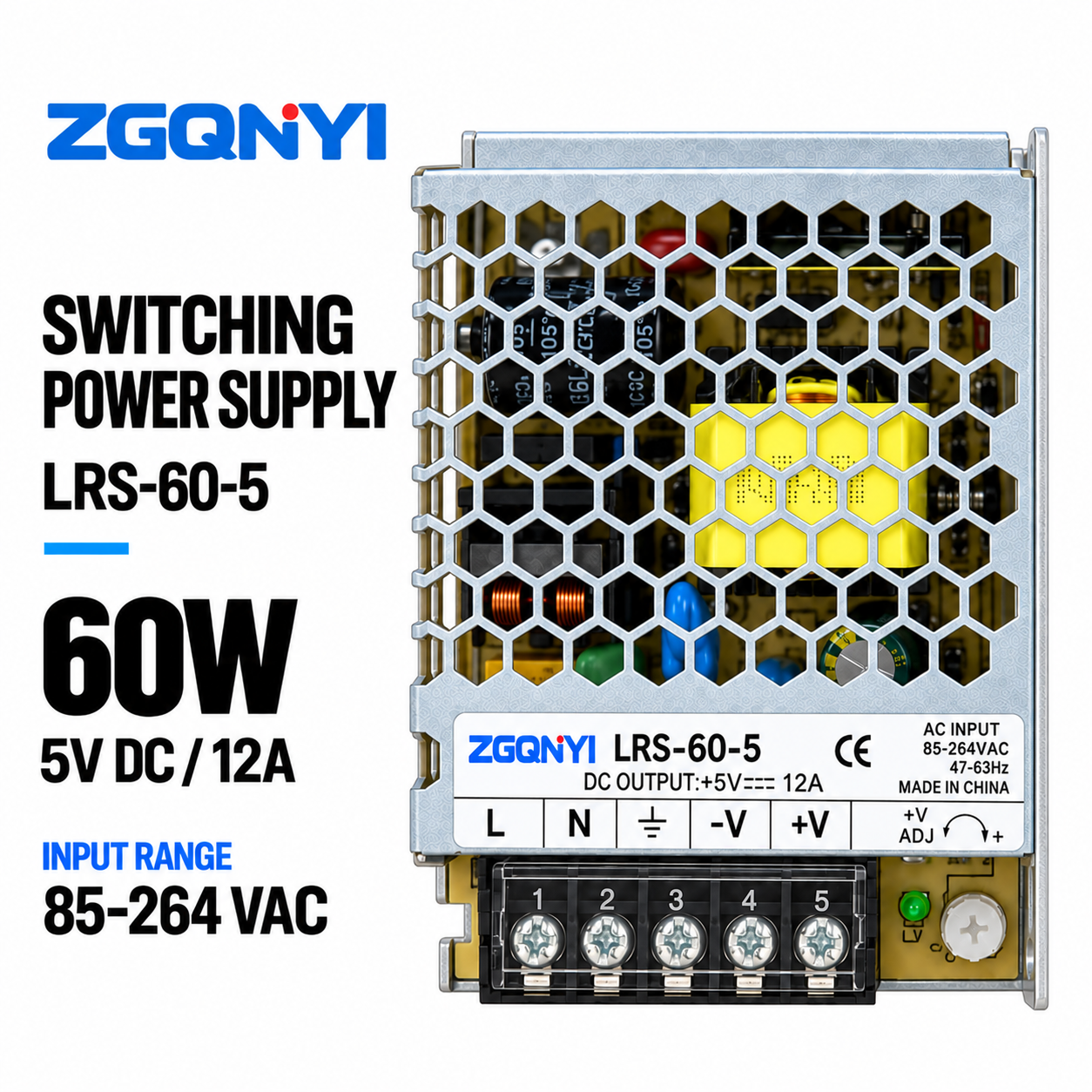
18+
Years R&D Depth
10,000m²
Production Area
500,000
Monthly Output (Pcs)
1,000+
Standard Form Factors
≤ 1 Hour
Engineering Response
100%
Burn-In Tested
Audited Manufacturing Authority
Why Global System Integrators Source from Nuvros Electric
Located in the core electrical industrial cluster of Beibaixiang Town, Wenzhou, we leverage direct localized component supply chains to deliver uncompromised build quality at competitive wholesale economies.
High-Power CC/CV Modularity
From 1kW modular bench units to 18kW water-treatment rectifiers, our high-power platform features precision micro-adjustment for Constant Current (CC) and Constant Voltage (CV) modes with RS485 communication protocols.
Rigorous Automated Quality Gateways
Every single power supply unit undergoes full-parameter ATE testing, dynamic transient load testing, and minimum 4-hour 100% full-load thermal burn-in before leaving our factory floor, ensuring failure rates below 0.15%.
Direct OEM/ODM Tooling & Adaptation
Our 18-year engineering team provides rapid CAD revisions for customized chassis dimensions, custom multi-pin terminal blocks, conformal coating for marine/tropical zones, and active Power Factor Correction (PFC) integration.
Rapid Turnaround & Agile Stock
We maintain high safety stock of critical semiconductors, long-life 105°C electrolytic capacitors, and magnetic cores, sustaining standard production lead times of 7–12 business days and same-day sampling.
Compliant Electromagnetic Compatibility
Engineered to satisfy EN 55032 Class B radiated/conducted emissions and EN 61000-3-2 harmonic mitigation. All listed commercial configurations strictly comply with CE, RoHS, and international industrial guidelines.
Global Logistics & Flexible Trade Terms
Full support for DDP, CIF, FOB, and EXW delivery terms with professional multicurrency billing (USD, EUR, CNY). Dedicated trade documentation ensures effortless customs clearance across North American and European borders.
Engineering Whitepaper: Navigating China’s Adjustable DC Power Supply Landscape
The industrial power conversion sector in China is undergoing a massive transformation. Historically recognized as an assembly center for low-cost, fixed-output SMPS units, top-tier Chinese manufacturers in specialized hubs like Wenzhou and Shenzhen have shifted to digitally controlled, high-power density, wide-range adjustable DC power platforms. For global B2B procurement managers and system integrators, selecting the ideal supplier requires looking beyond basic price-per-watt metrics to evaluate electromagnetic topology, thermal derating resilience, and firmware-level control capabilities.
Key Engineering Insight: When selecting high-load variable power supplies for chemical electrolysis, battery formation, or high-speed motor drives, evaluate the supply's closed-loop crossover frequency and transient slew rate (A/µs). High switching efficiency without sufficient closed-loop bandwidth causes severe voltage undershoot during step-load changes, risking critical PLC faults or sensor resets.
Technical Comparison: Standard Fixed SMPS vs. Advanced Adjustable DC Supplies
| Evaluation Parameter | Legacy Enclosed SMPS (e.g., Budget LRS) | Nuvros Adjustable Industrial Platform | Procurement Advantage |
|---|---|---|---|
| Voltage Output Range | Fixed (±10% trimmer potentiometer) | Wide Range (0–16V, 0–60V, up to 220V continuous) | Universal SKU coverage across diverse machines |
| Current Limiting Mode | Hiccup mode or foldback trip-off | True Constant Current (CC) micro-regulation | Prevents trips during motor start or chemical plating |
| Power Factor (PF) | Passive or None (<0.65 typical) | Active PFC (>0.95 at rated continuous load) | EU harmonic compliance (IEC/EN 61000-3-2) |
| Interface / Control | Analogue screw terminals only | RS485 Modbus-RTU, 0–5V/0–10V, LED V/A meter | Direct SCADA and automated PLC line integration |
| Capacitor Specification | Standard 85°C rated electrolytic | Premium 105°C ultra-low ESR industrial grade | Calculated MTBF > 250,000 hours under MIL-HDBK-217F |
Future Procurement Trends: Where the Industry is Heading (2025–2030)
Procurement directors planning 3- to 5-year capital expenditures must align component sourcing with emerging power electronics standards. The following trends represent the forefront of factory-floor direct procurement:
1. Wide-Bandgap Semiconductor (GaN/SiC) Integration
Silicon Carbide (SiC) MOSFETs are actively replacing silicon switches in 3kW–18kW architectures, shrinking inductive magnetic footprints by 40% and pushing conversion efficiency past 94.5% while reducing cooling requirements in closed cabinets.
2. Software-Defined Power & Real-Time Diagnostics
Modern DIN-rail and enclosed power modules increasingly integrate ARM Cortex MCUs, streaming predictive health data—such as ESR rise, ripple current anomalies, and thermal hotspots—directly via Modbus to edge controllers.
3. High-Density Bidirectional Power Flows
With the surge in battery energy storage systems (BESS), EV auxiliary lines, and kinetic energy recovery, manufacturers are prioritizing DC-DC and AC-DC topologies capable of regenerative braking recovery and smooth source-sink transitions.
Critical Engineering Checklist for Sourcing from Chinese Factories
To avoid premature capacitor breakdown, thermal throttling, and international customs import holdups, global technical buyers must verify three non-negotiable manufacturing parameters:
- Thermal Derating Verification: Always request the actual derating curve rather than nominal nameplate power. Many low-end units advertise 500W but can only maintain 350W once the ambient ambient enclosure crosses 40°C. Nuvros builds internal cooling fans with automatic sensor triggers to sustain full output up to 50°C.
- Transient Response & Inrush Limiting: Verify the soft-start time (ms) and peak inrush current (cold start at 230VAC). Industrial panels equipped with sensitive breakers require NTC or active thermistor relays to prevent breaker trips when powering multiple units simultaneously.
- PCB Conformal Isolation: For CNC machining environments, agricultural automated greenhouses, or marine applications, ask for automated double-sided acrylic or silicone conformal coating to isolate traces from conductive dust and humidity.
Clarity on B2B Operations
Frequently Asked Sourcing & Technical Questions
Direct answers from our senior application engineers on order minimums, customized engineering changes, and global compliance testing.
Can Nuvros customize CC/CV trip curves and voltage ranges for custom machinery?
Yes. Our in-house firmware and PCB layout teams routinely customize voltage setpoints (e.g., custom 0–36V or 0–150V), dynamic current limiting curves, and specific analogue feedback loop resistors to prevent oscillation on non-linear chemical and laser loads.
What is the standard Minimum Order Quantity (MOQ) for OEM/private-label projects?
Standard catalog modules (LRS, NDR, DR series) have no MOQ for evaluation samples and can be ordered from single units. Customized chassis silkscreens, buyer-specific labels, and custom preset output calibrations start from an accessible MOQ of 50 to 100 units.
Which international safety certificates accompany batch shipments?
Standard catalog models are accompanied by valid CE Declaration of Conformity and RoHS 2.0 chemical analysis reports. For specialized large-scale OEM orders, we coordinate with accredited third-party laboratories (TUV, SGS) to secure CB scheme and UL/cUL recognition.
How does the factory prevent ripple and high-frequency noise interference?
We deploy double-stage input EMI filter inductors alongside high-grade common-mode chokes. Our switching layout isolates high-di/dt and high-dv/dt copper traces, maintaining high-frequency ripple voltage well within 100mVp-p for reliable sensor and microcontroller operation.