48V 100W
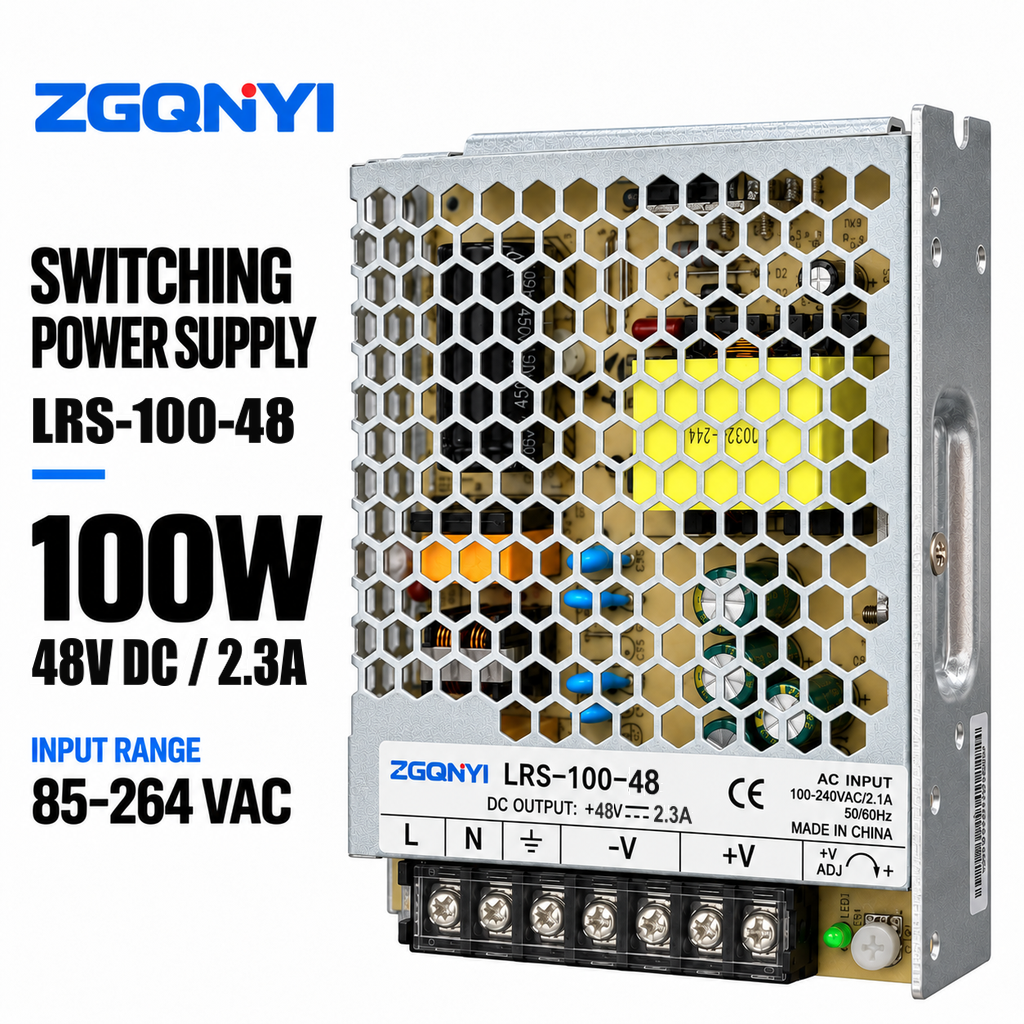
ZGQNYI LRS-100-48 48V 100W AC DC Power Supply Single Output PSU
Single Output
LED Driver
Lighting Controls
Low Ripple
Engineered for extreme reliability, low switching noise, and seamless SCADA/microcontroller integration across mission-critical commercial and industrial systems.
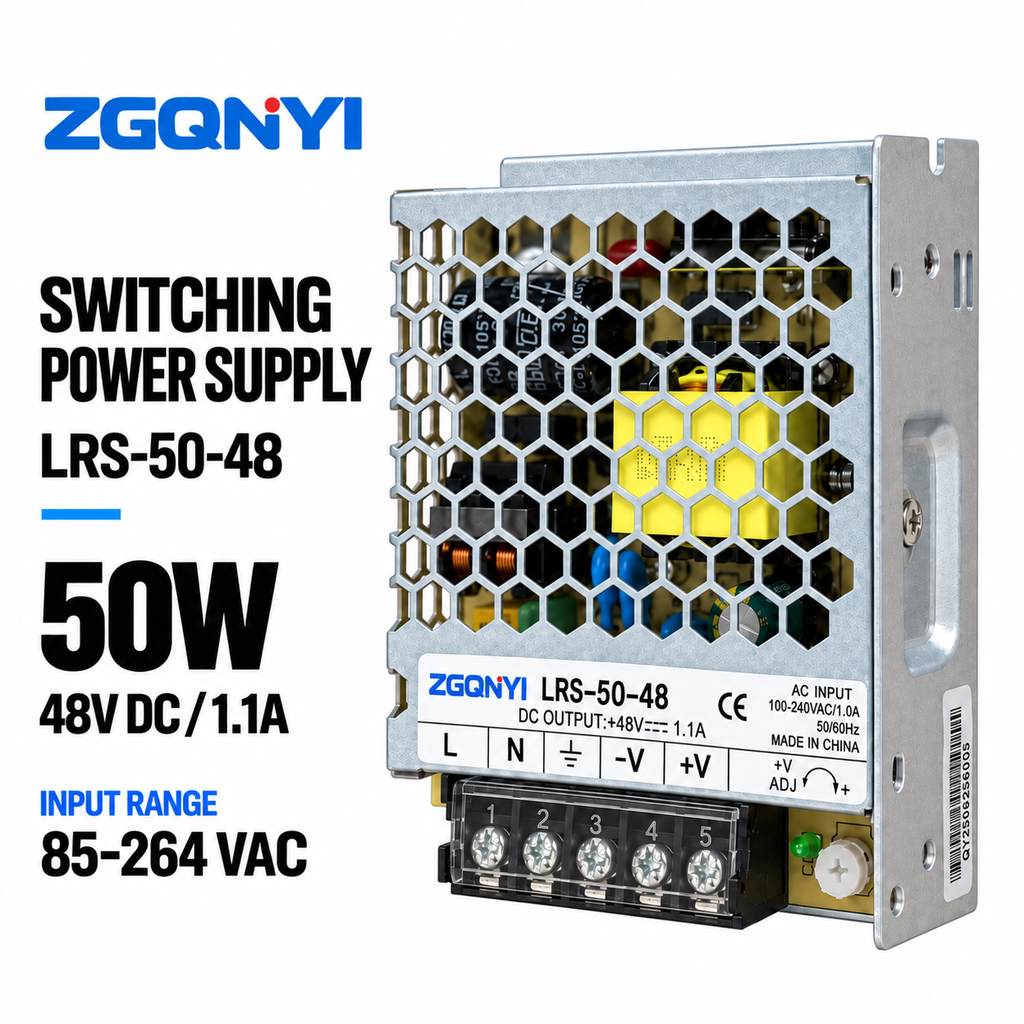
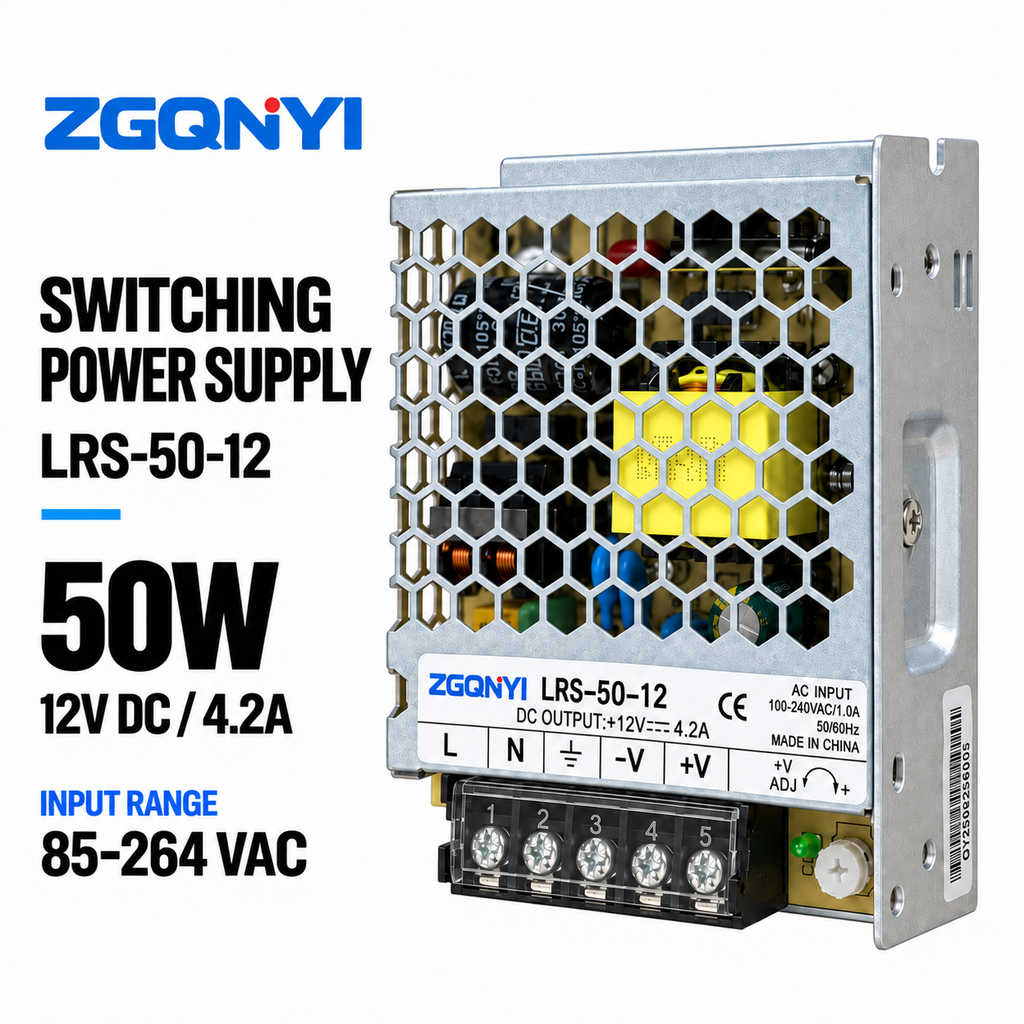
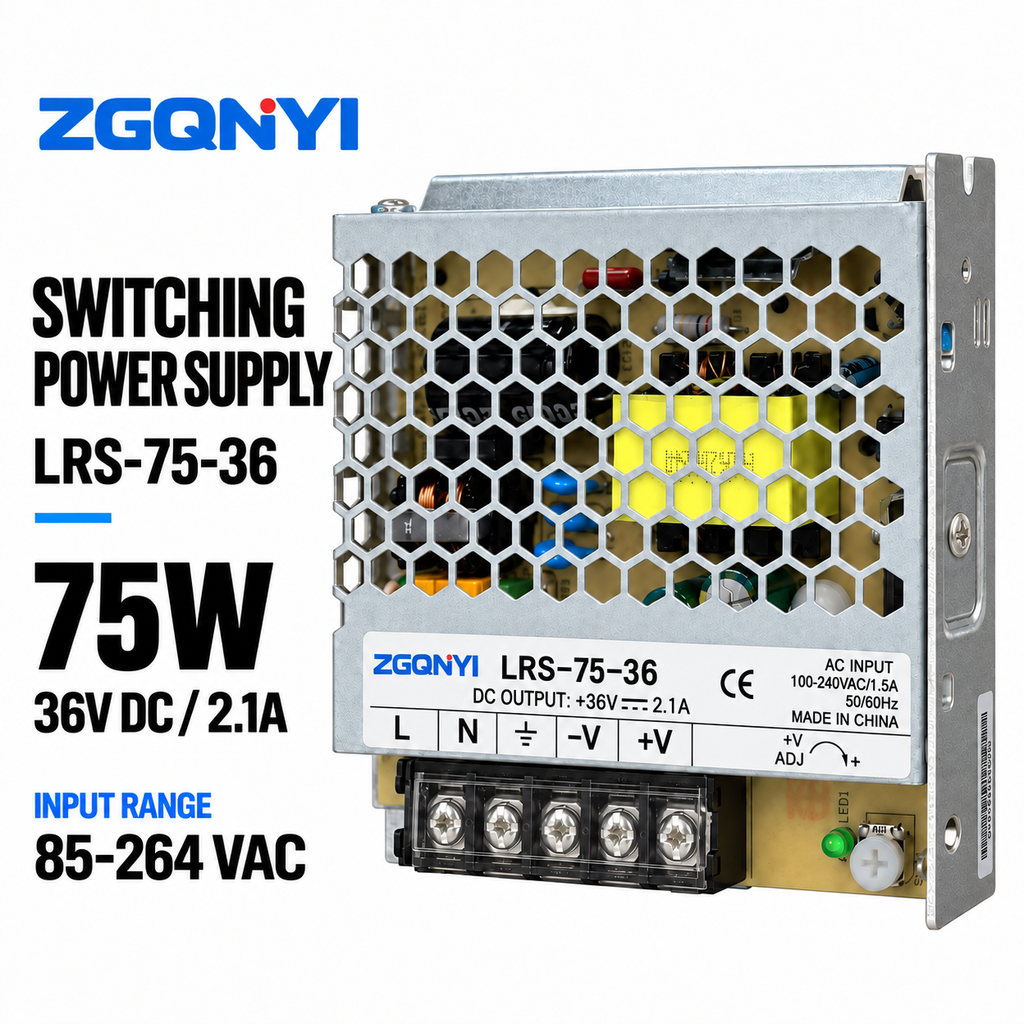
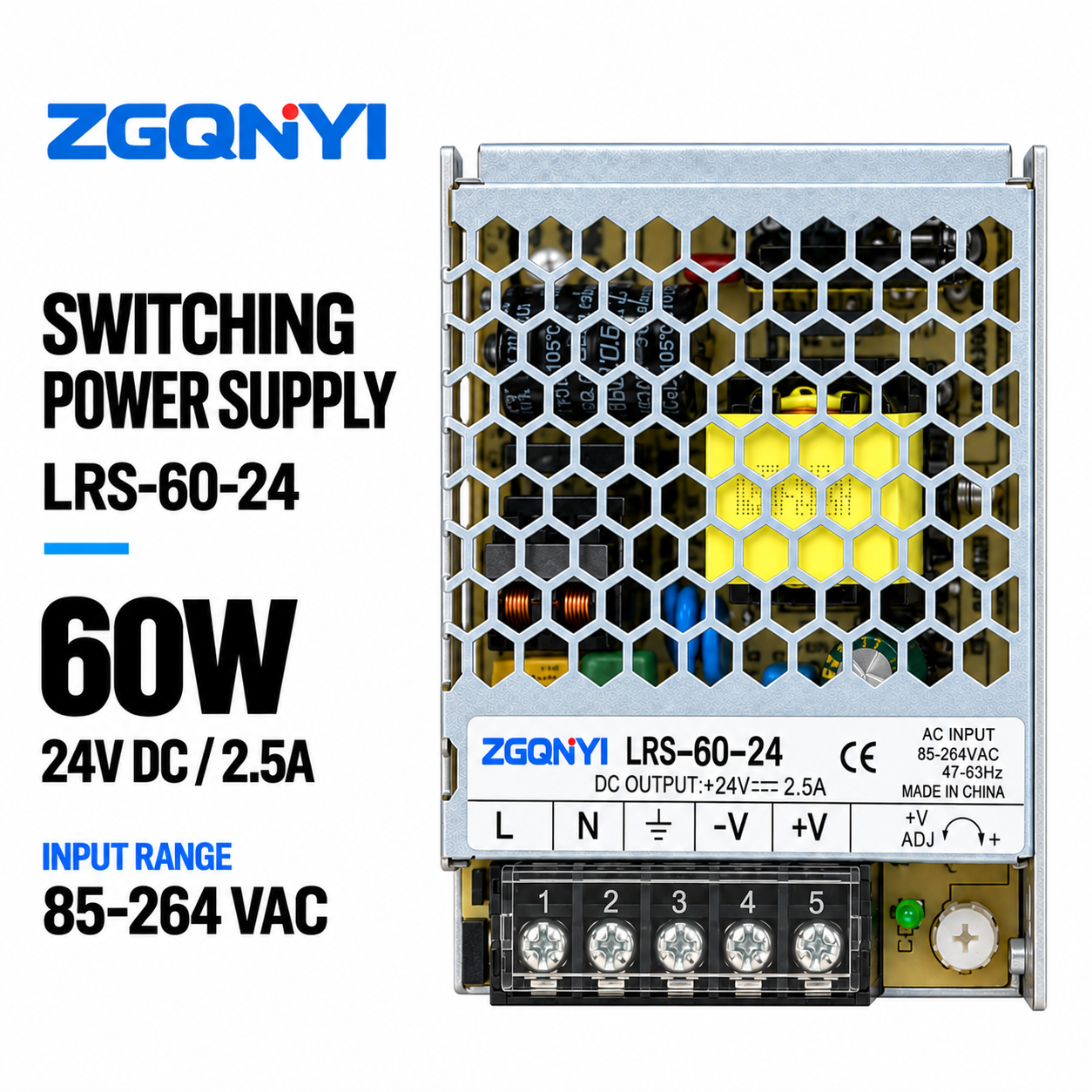
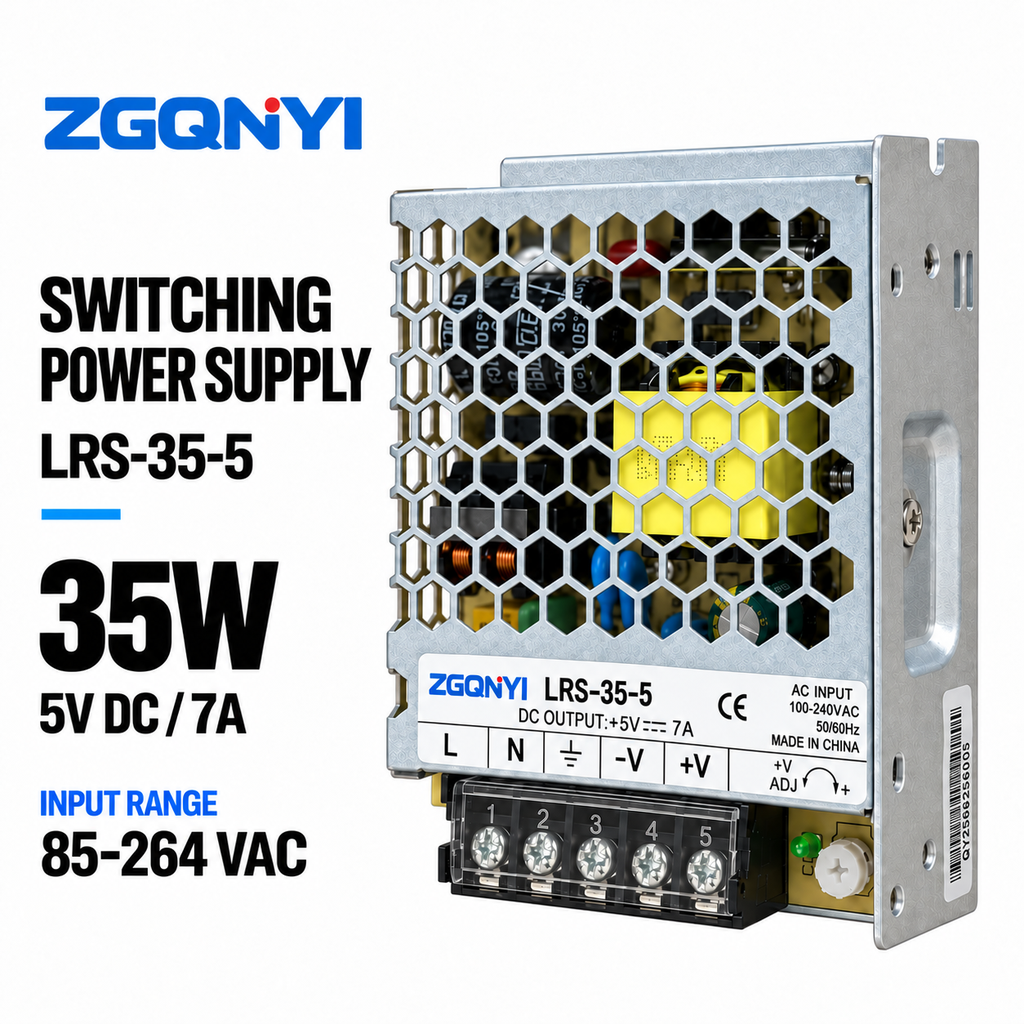
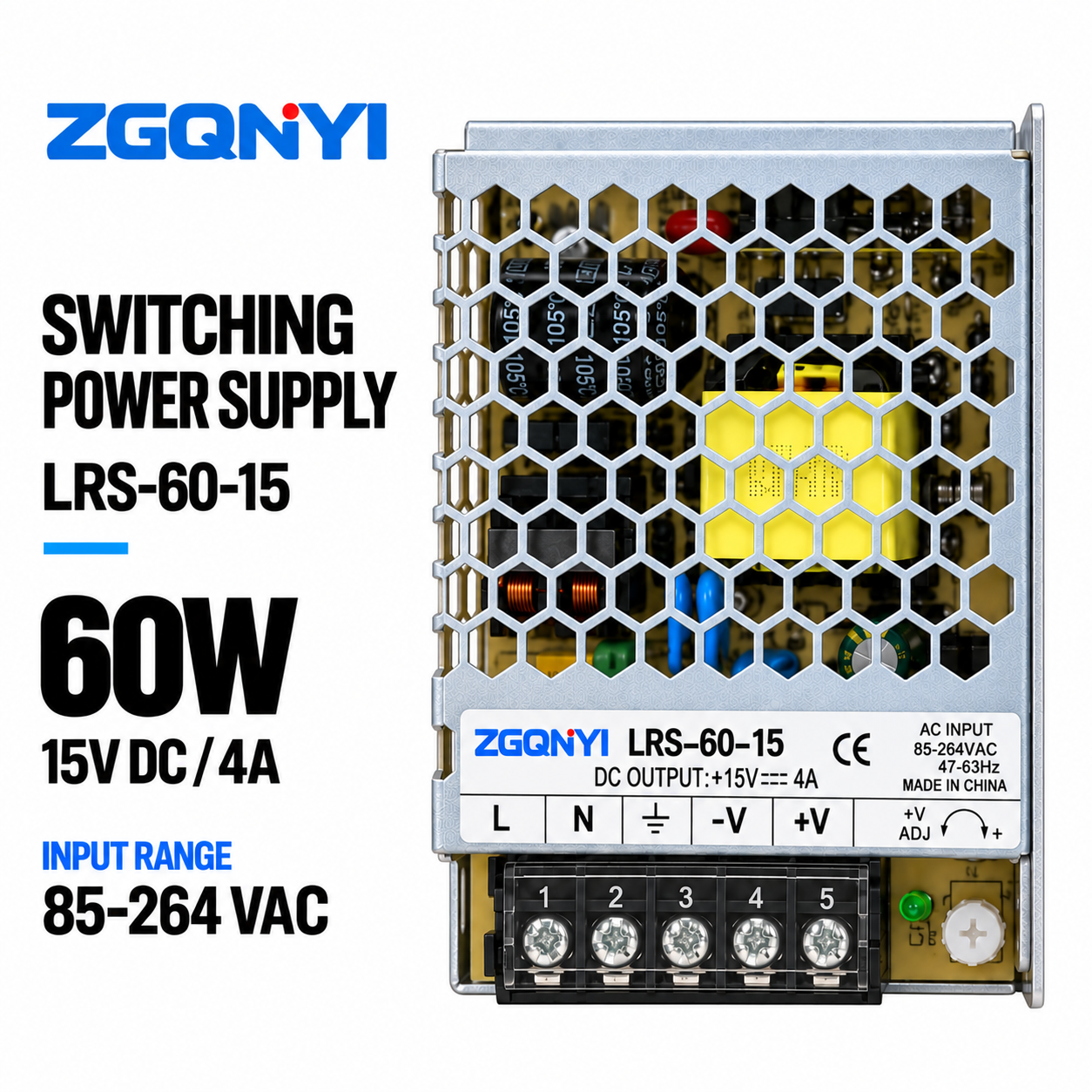
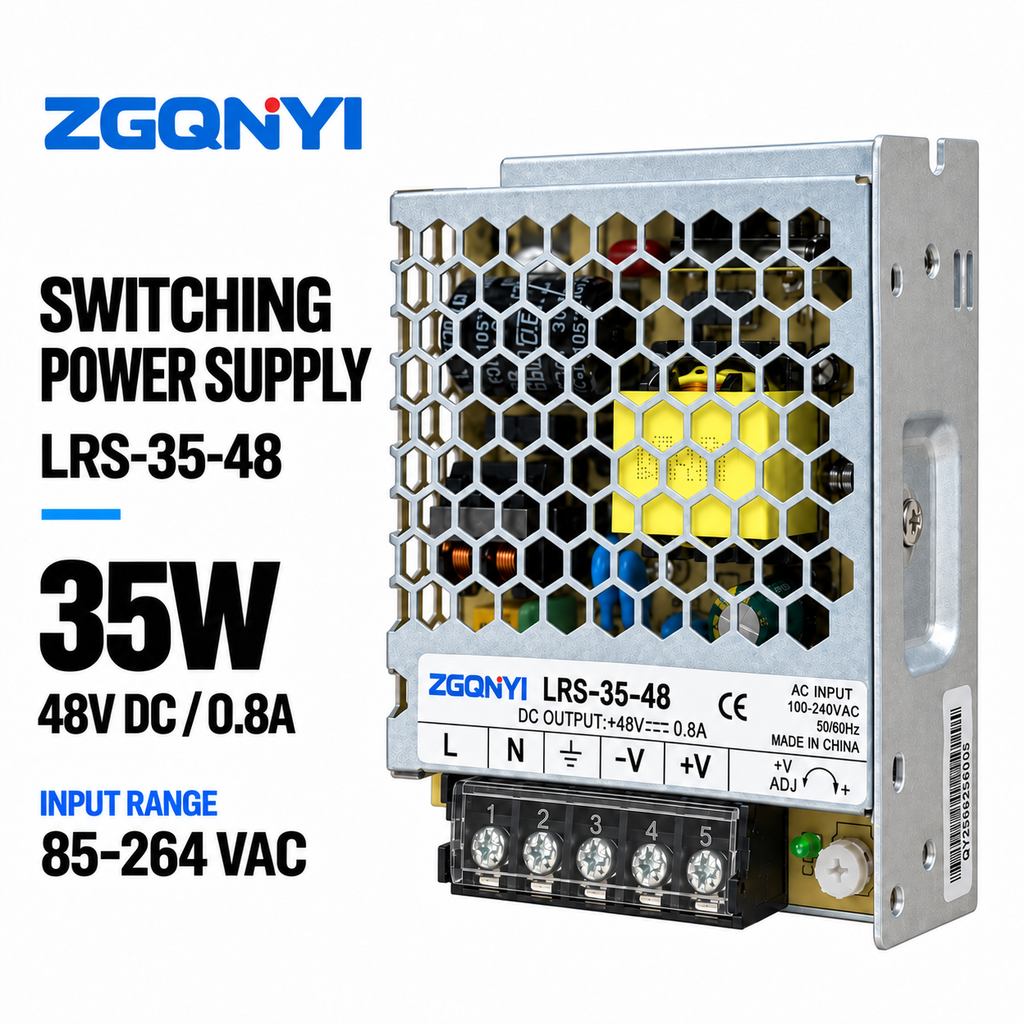
Exploring the transition from passive analog regulation to digitally orchestrated, remotely controlled switched-mode power conversion.
In modern industrial electronics, the term "Remote Control Power Supply" denotes units engineered with dedicated remote feedback loops, digital telemetry protocols, and automated switching mechanisms. Historically, remote regulation relied on rudimentary external potentiometer trimming or analog resistive lines. Over long physical runs, these analog signals suffered severe signal attenuation, inductive noise coupling, and significant common-mode voltage drops.
Modern remote-control SMPS platforms address this with integrated digital control loops. Built-in microcontrollers (MCUs) drive PWM and LLC resonant stages via isolated serial communications (such as isolated RS485 Modbus-RTU, CANopen, or Ethernet TCP/IP). This eliminates resistive attenuation entirely, enabling precision current limits, real-time voltage trimming, automated fault diagnosis, and synchronized on/off cycling across high-density equipment racks.
Utilizes dedicated four-wire Kelvin connections (Sense+ and Sense-) to dynamically compensate for lead wire drops up to 0.5V, ensuring true terminal regulation under dynamic peak loads.
Direct communication via optoisolated RS485 / Modbus protocols enables real-time monitoring of input mains quality, output ripple, thermal junction temperatures, and total MTBF status.
Fast-switching digital feedback controllers toggle seamlessly between Constant Voltage (CV) and Constant Current (CC) states, essential for automated plating, electrolysis, and battery charging cycles.
Where high-frequency power switching, wide bandgap semiconductors, and IoT connectivity intersect.
The migration from traditional Silicon MOSFETs to wide-bandgap (WBG) Gallium Nitride (GaN) and Silicon Carbide (SiC) semiconductors represents a generational leap. High-power density SMPS designs can achieve switching frequencies exceeding 500 kHz with over 94% efficiency. This drastically shrinks magnetic cores, reduces heat dissipation, and allows ultra-thin form factors to deliver industrial-grade power densities up to 40W/in³.
Driven by battery formation, dynamic motor testing, and distributed renewable grids, next-generation remote-controlled power supplies are migrating toward bidirectional topologies. Instead of burning back-EMF or discharge current as waste heat across dummy load banks, active front-end converters recycle over 92% of load discharge energy back to the AC grid under synchronized remote control.
Tomorrow's remote control power supply goes far beyond simple on/off commands. Onboard digital signal processors (DSPs) continuously measure electrolytic capacitor equivalent series resistance (ESR), thermal variance, and switching jitter. When anomalies appear, fieldbus telemetry flags potential failures weeks in advance, avoiding catastrophic line outages in automated production environments.
Strategic considerations for supply chain leaders navigating international certifications, total cost of ownership (TCO), and customization agility.
Global OEMs are moving away from proprietary form-factors toward standard modular footprints (like the ultra-thin LRS format and standard TS-35 DIN-rail dimensions). Sourcing these unified envelopes allows rapid drop-in upgrades from basic fixed-voltage units to intelligent remote-controlled versions without redesigning mechanical enclosures or cable harnesses.
While CE and RoHS remain baseline requirements, international procurement teams increasingly mandate dual-path certification. This includes IEC/EN 62368-1 for audiovisual and ICT equipment, EN 61558 for transformer safety, along with strict EN 55032 Class B electromagnetic radiation compliance to minimize factory cross-talk.
Leading enterprises avoid off-the-shelf distributor markups by partnering directly with integrated manufacturers. Key requirements include flexible low-run initial sampling, custom multi-pin terminal blocks, conformal PCB coatings for harsh environments, and customer-defined RS485 register mapping tailored to client proprietary software stacks.
Backed by over 18 years of specialized engineering in AC/DC, DC/DC, and smart adjustable power conversion systems, our factory delivers reliable solutions across global markets. From our modernized 10,000 m² campus in Yanjiang Industrial Park, Beibaixiang Town, we maintain rigorous quality standards across every production line.
Fully automated SMT, selective wave soldering, and robotics-assisted assembly lines.
Every unit completes high-temperature 4-hour active burn-in and transient surge testing.
Custom output curves, specialized enclosures, IP67 potting, and digital telemetry protocols.
Average quote response under 1 hour during business hours with sample dispatch in 48 hours.

 Fully compliant with CE, RoHS directives, verified by international inspection bodies.
Clear answers to common questions about specifications, trade terms, and integration.
Request complete datasheets, compliance documentation, step files, and factory-direct pricing for remote-controlled and enclosed industrial SMPS series.
Get Catalog