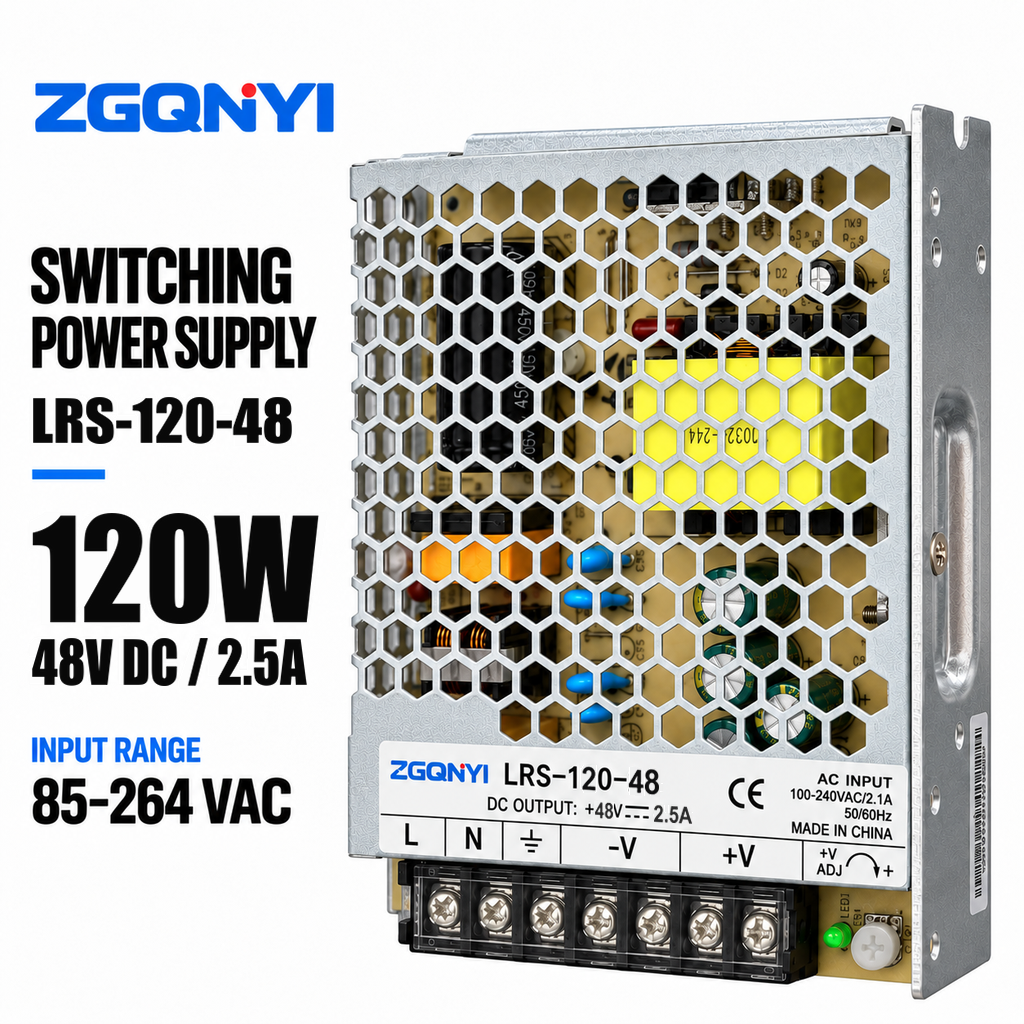
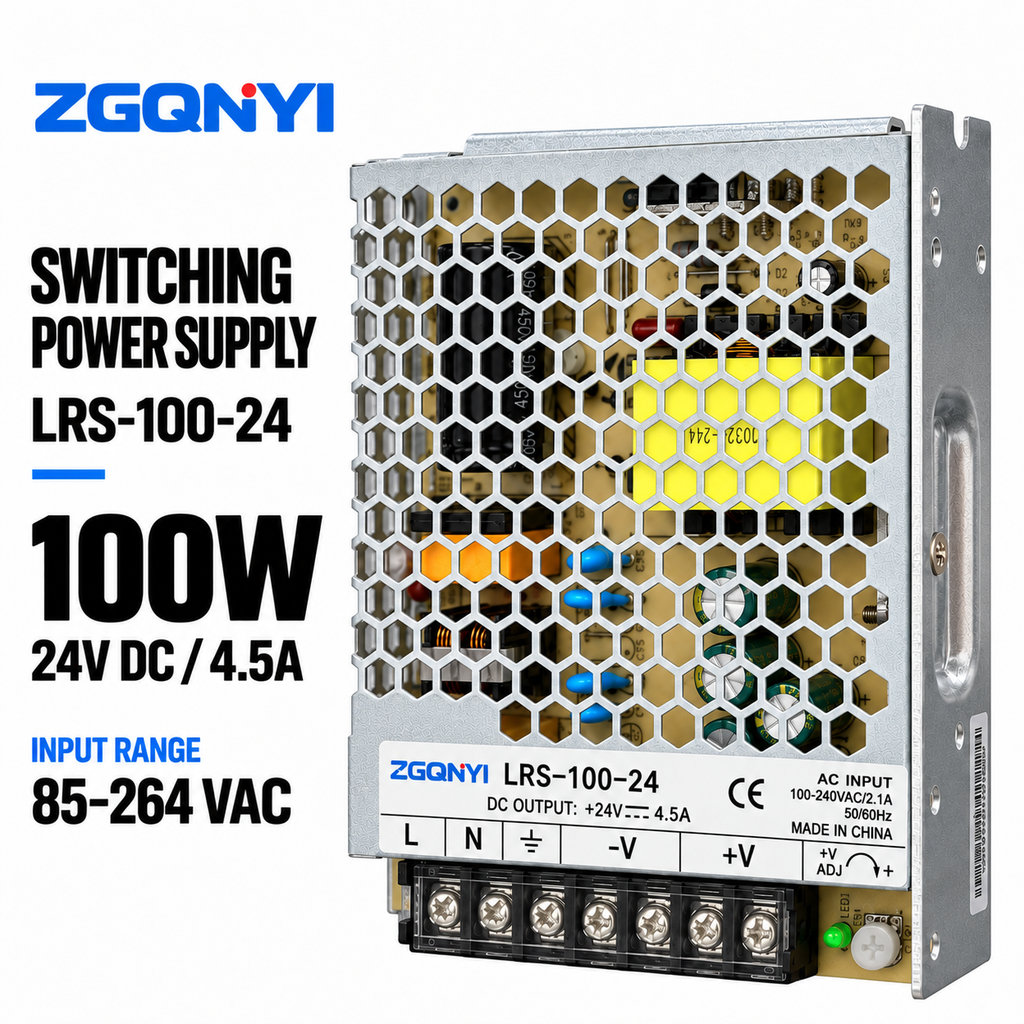
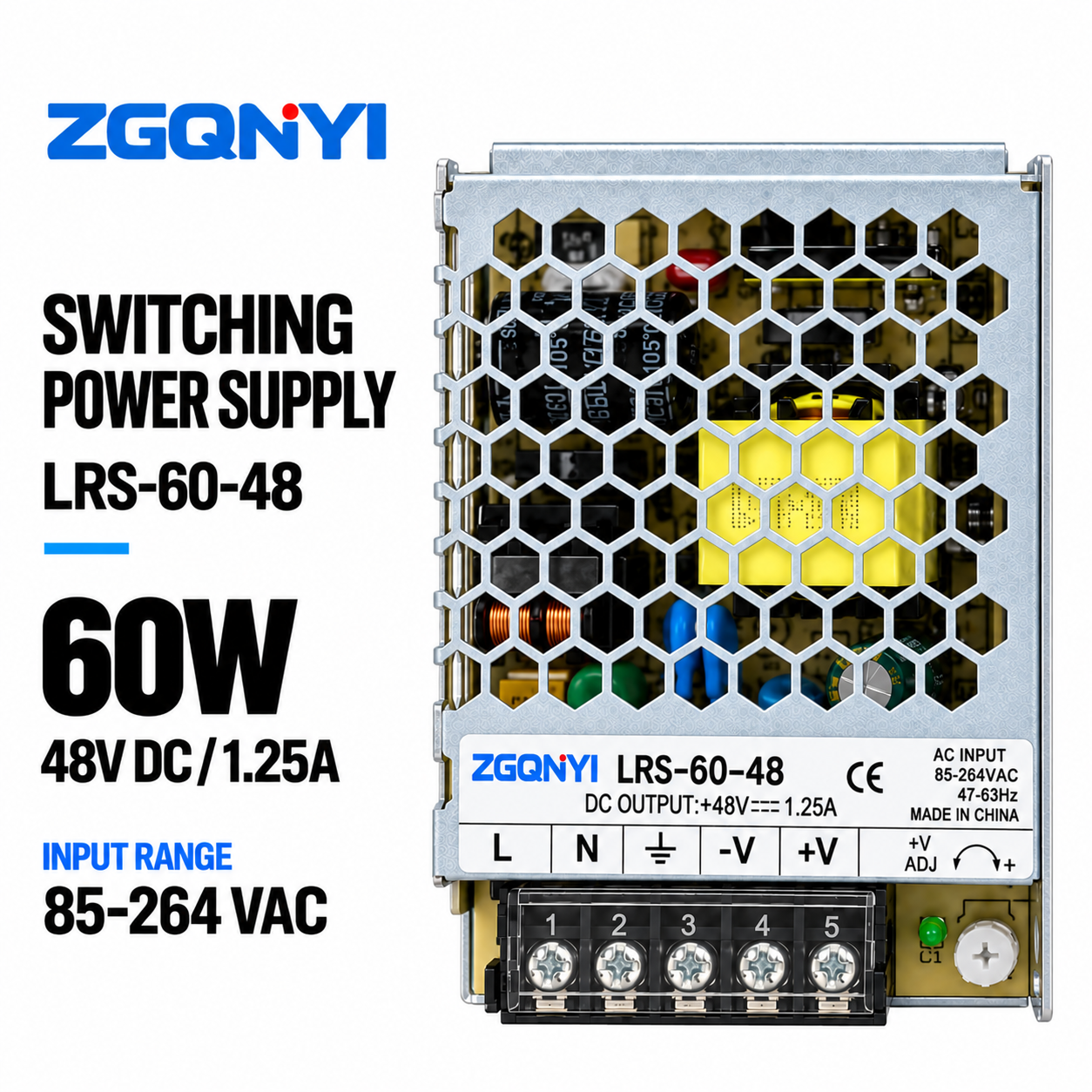
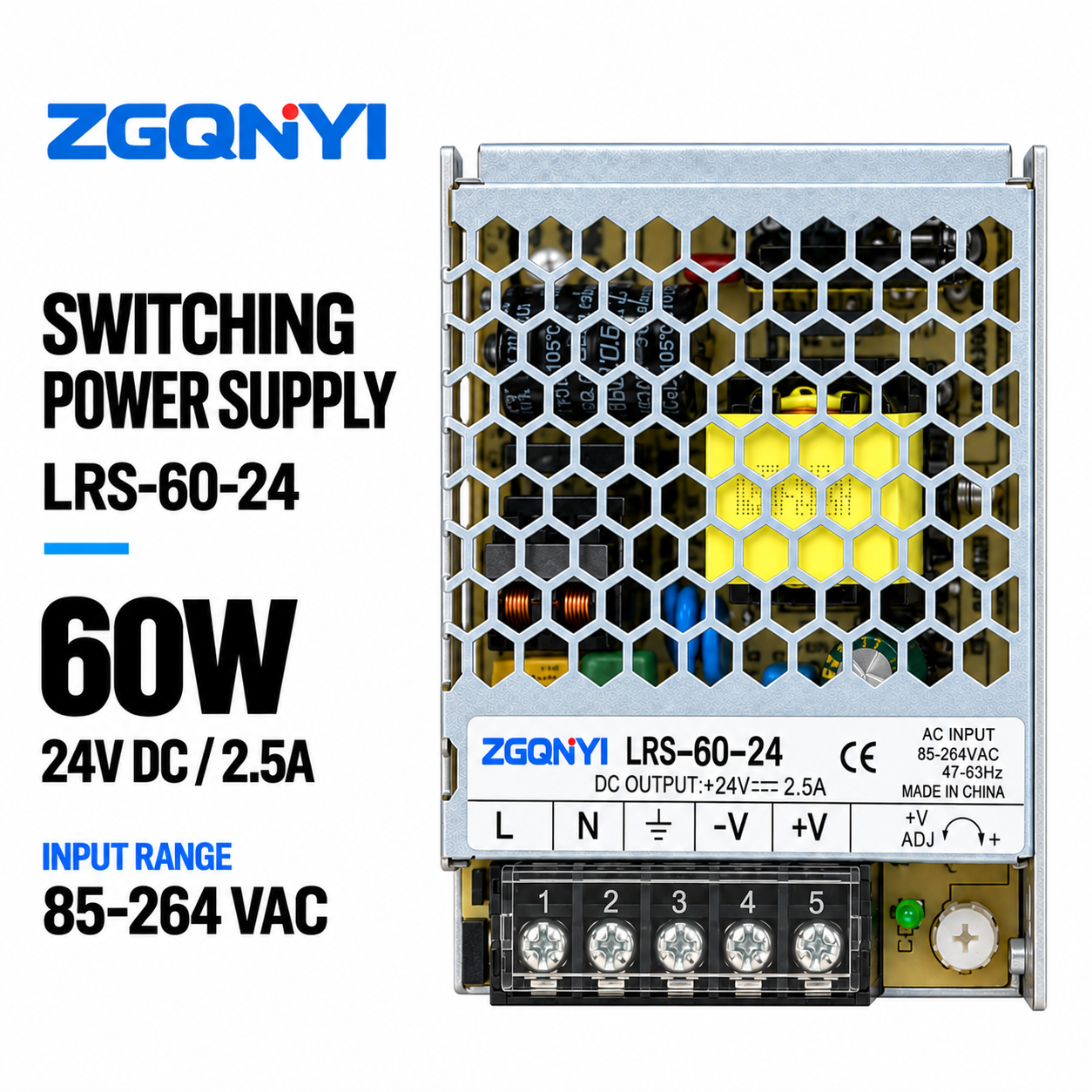
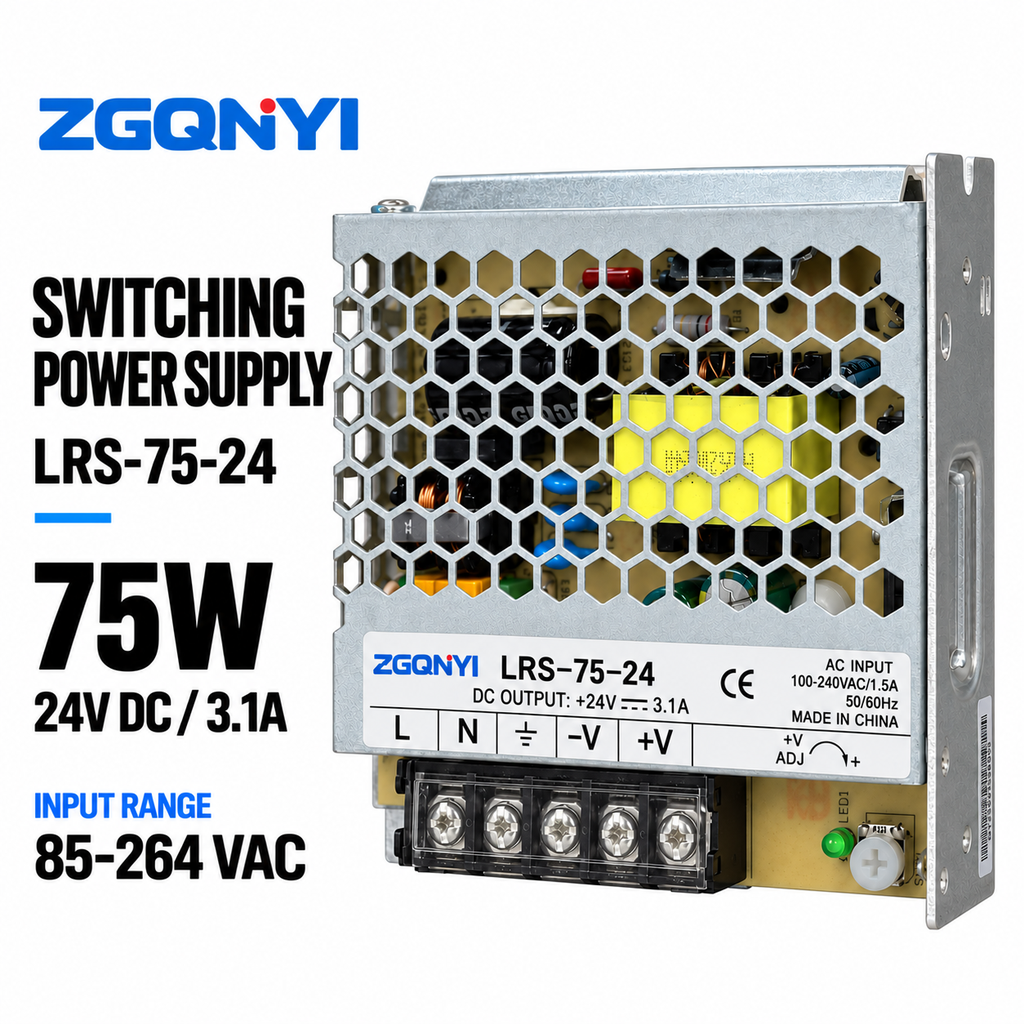
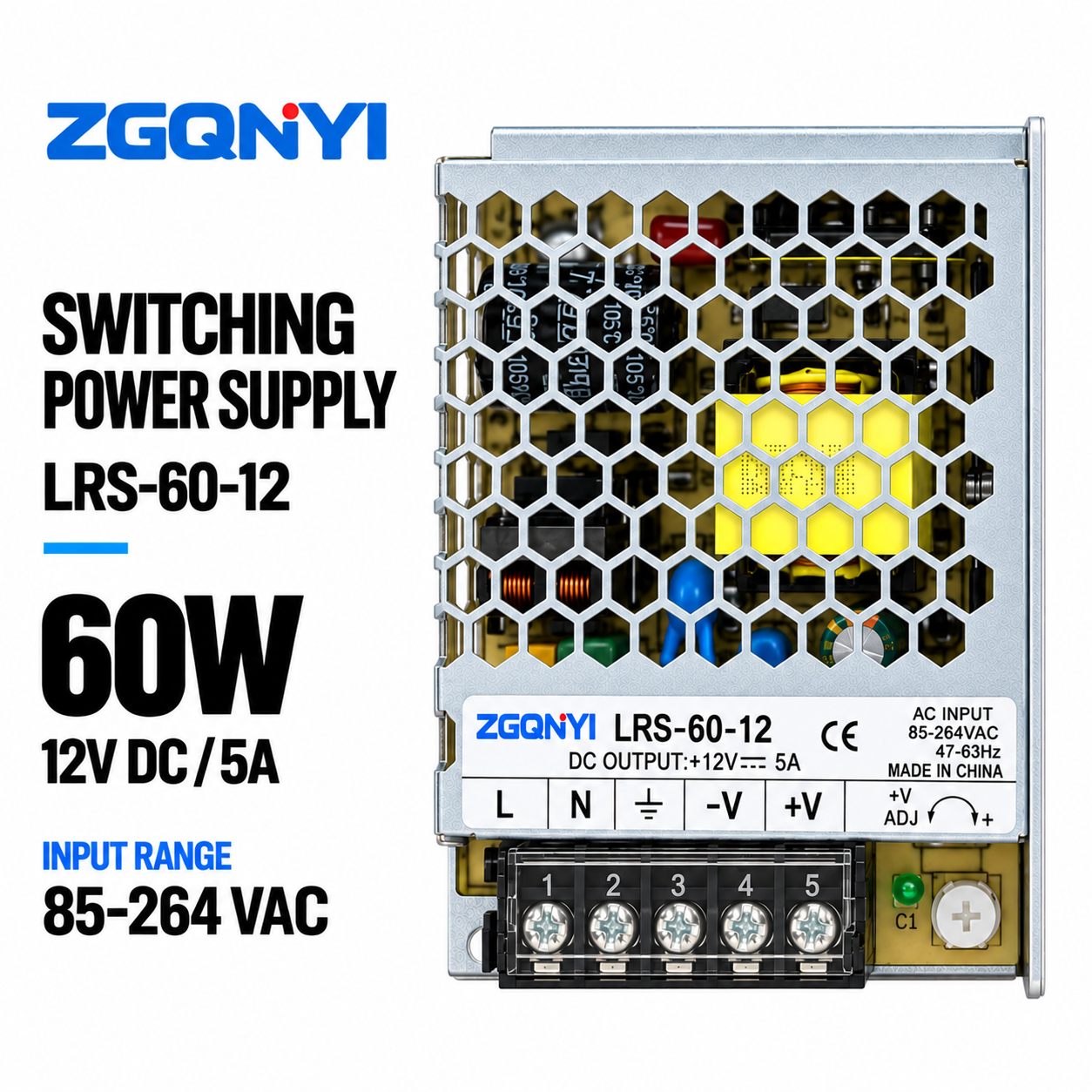
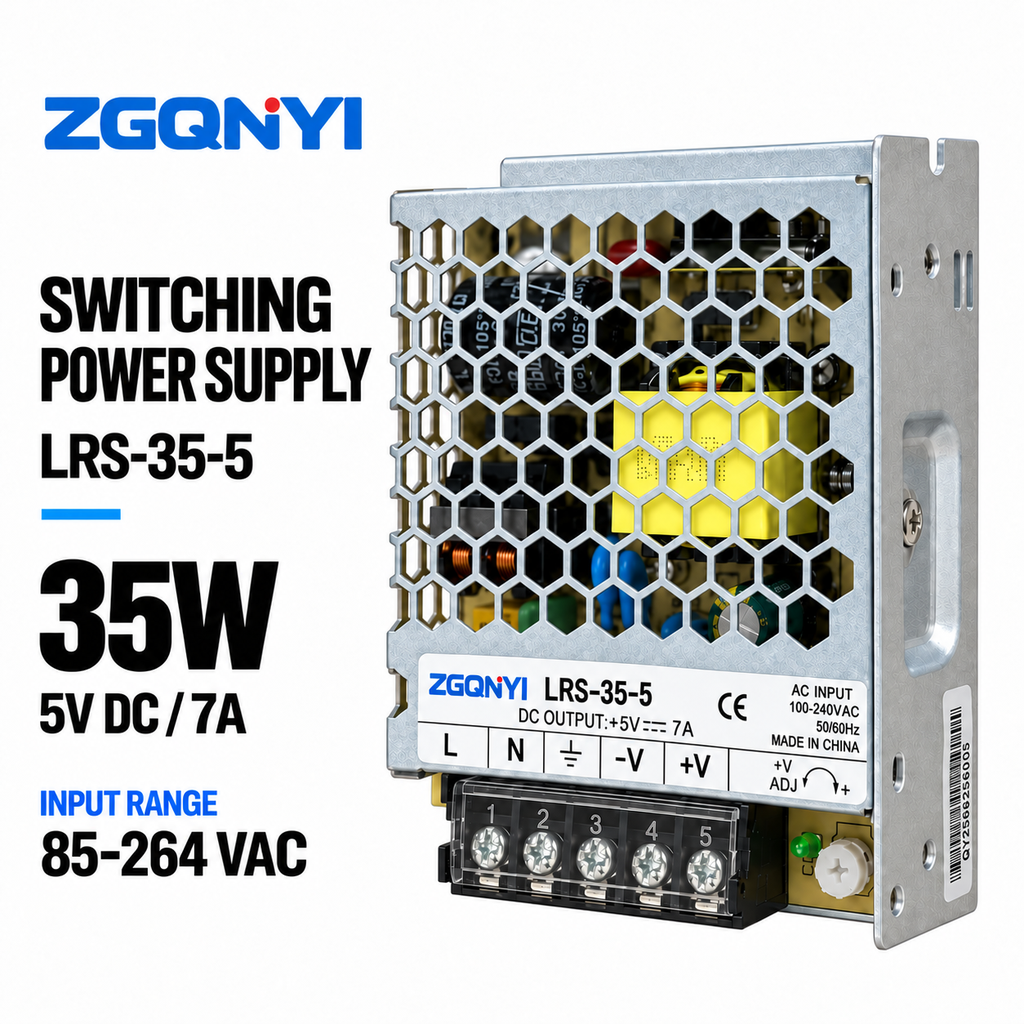
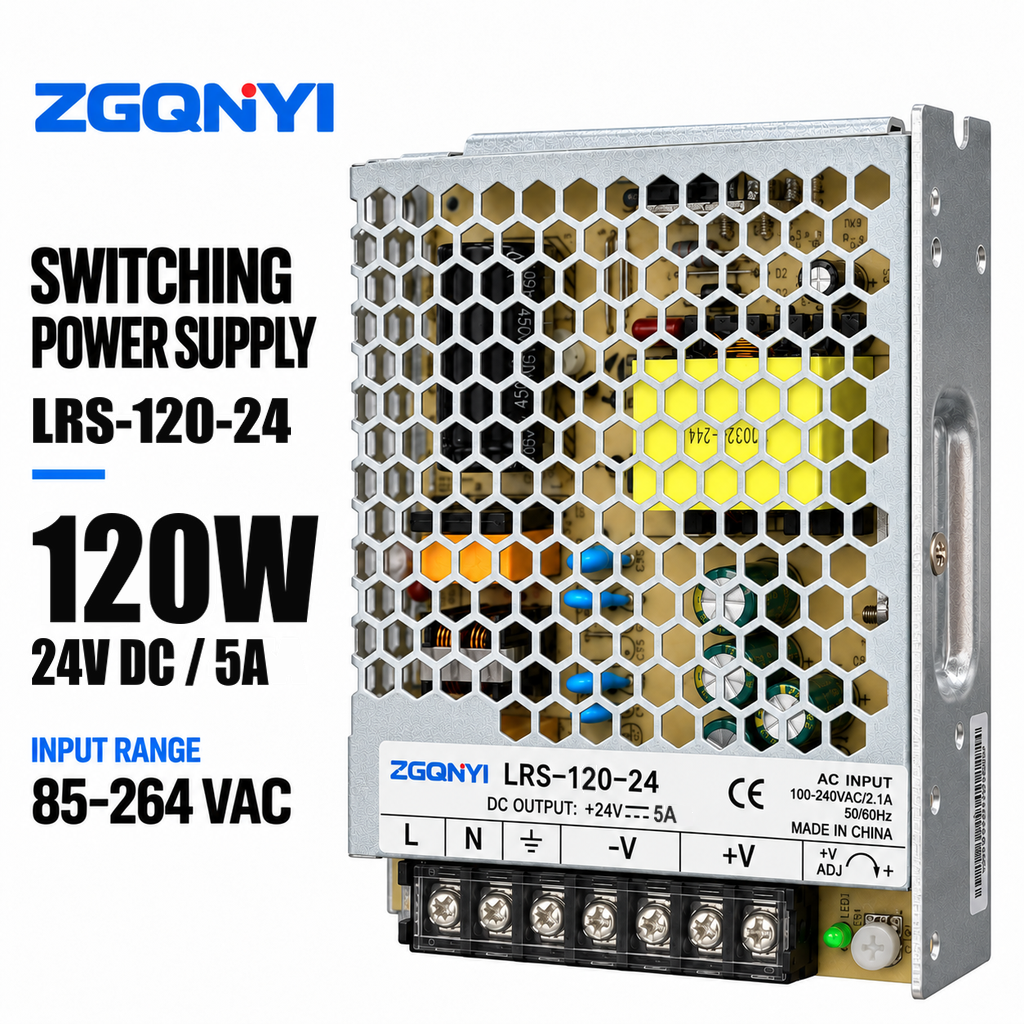
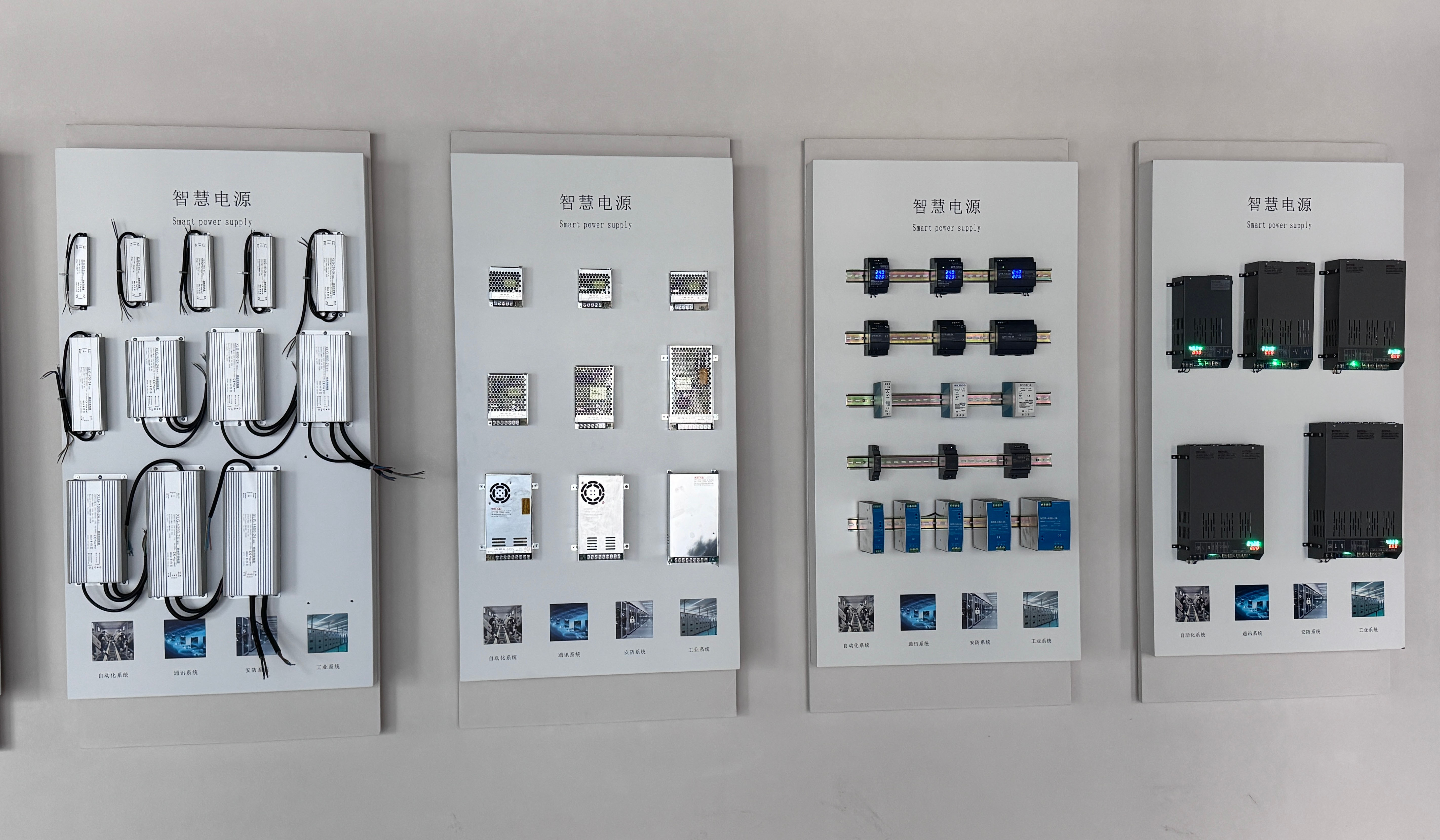
China Wholesale PFC Switching Power Supply Factory & Exporter
Engineered high-efficiency Power Factor Correction AC/DC solutions, high-power DC systems up to 18kW, and compact industrial PSUs designed to exceed global EMI/EMC & energy standards.
Engineered Supply Portfolio
Precision Industrial Power Supplies (SMPS)
Verified OEM/ODM standard hardware featuring tight voltage regulation, high dielectric isolation, and heavy-duty industrial endurance.
Technical Significance of Active PFC in Modern Switched-Mode Power Systems
Power Factor Correction (PFC) has evolved from an optional grid-compliance checkbox into an indispensable core architecture in modern electrical engineering and automation infrastructure. In standard switched-mode power conversion, non-linear rectifying front-ends introduce harmonic distortions and narrow, high-amplitude current pulses. This behavior leads to a poor power factor (often below 0.65), thermal stress on neutral conductors, localized transformer core saturation, and substantial reactive power charges.
Crucial Standard Compliance: Under the European Standard EN 61000-3-2 and international IEEE 519 regulations, any electrical load consuming more than 75W must maintain rigorous harmonic current limits. Active PFC circuits designed by Wenzhou Nuvros utilize active boost topologies driven by high-frequency continuous conduction mode (CCM) or transition mode (TM) controllers to achieve a true Power Factor ≥ 0.98 and total harmonic distortion (THD) ≤ 8% across full AC mains (85V–264V).
By forcing the input current waveform to precisely follow the sinusoidal profile of the input AC voltage in both phase and shape, Active PFC provides industrial machinery with maximized usable apparent power (VA). This technological leverage significantly minimizes resistive transmission losses (I²R loss), limits unwanted electromagnetic interference (EMI), and prevents sporadic voltage drops across factory control cabinets, ensuring sensitive PLCs, microcontrollers, and precision sensors remain immune to transient power pollution.
Direct Manufacturing Excellence
18 Years of Continuous SMPS Research, Development & Scaled Assembly
Located in the heart of China's electrical capital—Beibaixiang, Wenzhou—Wenzhou Nuvros Electric Co., Ltd. operates a state-of-the-art facility surpassing 10,000 m² of specialized production floor.
High Volume Scale: Exceeding 500,000 power supply units monthly capacity across fully automated SMT pick-and-place lines and wave-soldering lines.
Stringent Burn-In Testing: 100% full-load 4-hour dynamic aging at elevated temperatures (45°C–50°C) eliminates infant mortality defects before dispatch.
Global Regulatory Alignment: Systematic compliance with CE (EMC/LVD), RoHS directive, and custom isolation ratings up to 3000VAC.
18+
Years SMPS R&D
500,000+
Monthly Unit Output
1,000+
Active Model SKUs
≤ 1 Hour
Rapid RFQ Response
Next-Generation Technology
Key Development Trends in Industrial PFC Power Supplies
How wide-bandgap semiconductors, digital control loops, and environmental sealing are reshaping high-efficiency power architectures.
1. GaN and SiC Semiconductor Integration
The transition from silicon MOSFETs to Gallium Nitride (GaN) and Silicon Carbide (SiC) semiconductors allows switching frequencies to climb from 65kHz past 200kHz. This dramatically shrinks inductive magnetics and filter capacitors while pushing conversion efficiencies beyond 94% with minimal thermal dissipation.
2. Digital PFC & DSP Real-Time Telemetry
Analog PFC feedback is increasingly superseded by Digital Signal Processors (DSP). Digital topologies enable non-linear predictive control, live parameter monitoring via RS485 or CAN bus, and adaptive dead-time regulation, maintaining peak Power Factor even down to light loading conditions (15–20% load).
3. Ultra-Rugged Sealed & Potting Designs
Harsh industrial automation environments—such as marine electrolysis, mining robotics, and outdoor telecom—demand IP67-rated silicone encapsulation. Modern thermal designs utilize direct potting compounds that facilitate heat transfer straight through the chassis, eliminating failure-prone mechanical cooling fans.
Strategic Sourcing Guide
Future Procurement Trends for Industrial SMPS Buyers
Essential criteria procurement directors and OEM product managers must consider to build resilient, cost-effective power supply chains.
Direct Tier-1 Factory Engagement
Global distributors are bypassing trading intermediaries to work straight with primary manufacturers like Nuvros. Direct collaboration provides unfettered engineering access for low-voltage modifications, customized wire harnesses, flexible MOQ protocols, and transparent component traceability.
Lifecycle MTBF & Capacitor Quality Audits
Electrolytic capacitors are the primary aging bottleneck in SMPS design. Sophisticated international buyers evaluate MTBF based on long-life 105°C rated Japanese or top-tier Taiwanese electrolytic capacitors, ensuring units withstand 50,000+ hours in enclosed, hot electrical enclosures.
Total Lifecycle Energy Verification
With stringent global carbon regulations (such as the EU Carbon Border Adjustment Mechanism), buyers compute the 5-year operating expenditure (OPEX) over initial hardware acquisition price (CAPEX). A 3% gain in active conversion efficiency often recoups the entire unit purchase price within 18 months of 24/7 industrial duty.
Enterprise Core Competencies
Why International OEM/ODM Partners Standardize on Nuvros
Combining vertically integrated manufacturing, rapid rapid-prototyping turnaround, and global logistics execution.
Full OEM / ODM Tailoring
Customizable current/voltage limits, private branding, unique DIN rail latching brackets, specialized potting depths, and custom RS485/Modbus communication modules configured to your exact system schematics.
High Power Specialization
Unlike basic commodity suppliers, our engineering capacity spans from 15W auxiliary micro-supplies up to 18,000W massive heavy-duty DC arrays with adjustable Constant Current (CC) & Constant Voltage (CV) regulation.
Integrated Industrial Hub
Situated within Wenzhou's mature electrical engineering matrix, we benefit from immediate raw material availability, premier copper coil winders, and advanced tooling facilities, providing unmatched lead times and competitive cost structures.
Responsive Engineering Team
Direct communication with professional power engineers. Average quote response time under 1 hour during active working windows, supported by clear DDP/FOB logistics across 15+ international operating languages.
Professional Procurement Support
Frequently Asked Questions on PFC Power Supplies
Expert answers addressing electrical calculations, commercial order policies, and technical customization parameters.
What is the core technical difference between Active PFC and Passive PFC?
Passive PFC employs heavy, low-frequency 50/60Hz chokes and large capacitors to suppress specific harmonic frequencies. It usually only improves the power factor to roughly 0.70–0.80 and is sensitive to operating frequency changes. In contrast, Active PFC utilizes a high-frequency semiconductor boost converter managed by an integrated controller IC. Active PFC dynamically adjusts the input current wave to match the voltage curve across wide input voltages (85V–264VAC), achieving a power factor >0.98, drastically lower THD, universal wide AC input, and significant weight reduction.
How should an industrial engineer properly calculate power margin and temperature derating?
As a standard rule of industrial reliability, a switching power supply should be sized with 20% to 30% headroom above the system's continuous steady-state current draw. For loads involving inductive motors, solenoids, or high-capacitance input stages, inrush currents can easily reach 300% to 500% of nominal rating for several milliseconds; in such cases, units with high peak-load capabilities (such as our NDR series) or soft-start circuits are mandatory. Furthermore, if the control cabinet internal temperature exceeds 50°C, engineers must consult our thermal derating curves, which typically necessitate derating nominal power output by 2.5% per °C rise up to 70°C.
Can Wenzhou Nuvros customize voltage, current ranges, or communication protocols?
Yes. Beyond our standard catalog models (12V, 24V, 36V, 48V, etc.), our in-house engineering lab frequently designs tailor-made solutions. This includes non-standard output voltages (such as 0–16V, 72V, 110V, 150V, 220VDC), constant current / constant voltage (CC/CV) adjustable architectures with front-panel potentiometers or digital encoders, built-in digital display meters for V/A monitoring, and external digital communication interfaces (RS485 Modbus-RTU, CANopen, or 0–5V/0–10V analog programming).
What international testing certifications and compliance guarantees are provided?
Our standard industrial product series are designed to comply with CE directives (Low Voltage Directive 2014/35/EU and Electromagnetic Compatibility Directive 2014/30/EU) under standards EN 62368-1, EN 55032 Class B, and EN 61000-3-2. Products adhere strictly to the RoHS Directive (2011/65/EU and 2015/863/EU). Official Declaration of Conformity (DoC), test lab reports, and REACH declarations can be supplied per model number during project review.
What are the MOQ terms, sample turnaround times, and supported Incoterms?
For catalog products, samples can be ordered from 1 piece for rapid evaluation, typically dispatched within 48 to 72 hours. Standard production batches have flexible MOQs depending on the chassis size (typically 50–100 pieces for standard models; customized runs confirmed upon specification sign-off). We support EXW, FOB (Ningbo/Shanghai), CFR, CIF, FCA, and full DDP door-to-door air or ocean delivery. Supported settlement methods include T/T, L/C at sight, PayPal, and major credit cards in USD, EUR, or CNY.
How does Nuvros maintain quality control throughout the manufacturing lifecycle?
Quality control is strictly managed at four discrete checkpoints: (1) Incoming Quality Control (IQC) testing semiconductors, magnetic cores, and electrolytic capacitors via automated ATE systems; (2) In-Process Quality Control (IPQC) auditing surface mount alignment and soldering fillets; (3) 100% full-load thermal burn-in under active cycling to identify any early latent electrical component weaknesses; and (4) Outgoing Quality Assurance (OQA) validating dielectric withstand isolation (Hi-Pot test up to 3kVAC), leakage currents, line regulation, load regulation, and ripple/noise benchmarks.
Initiate Your Engineering Consultation or Factory-Direct RFQ
Connect with our technical power specialists to discuss customized SMPS topologies, request evaluation samples, or receive a transparent volume quotation for your next manufacturing run.