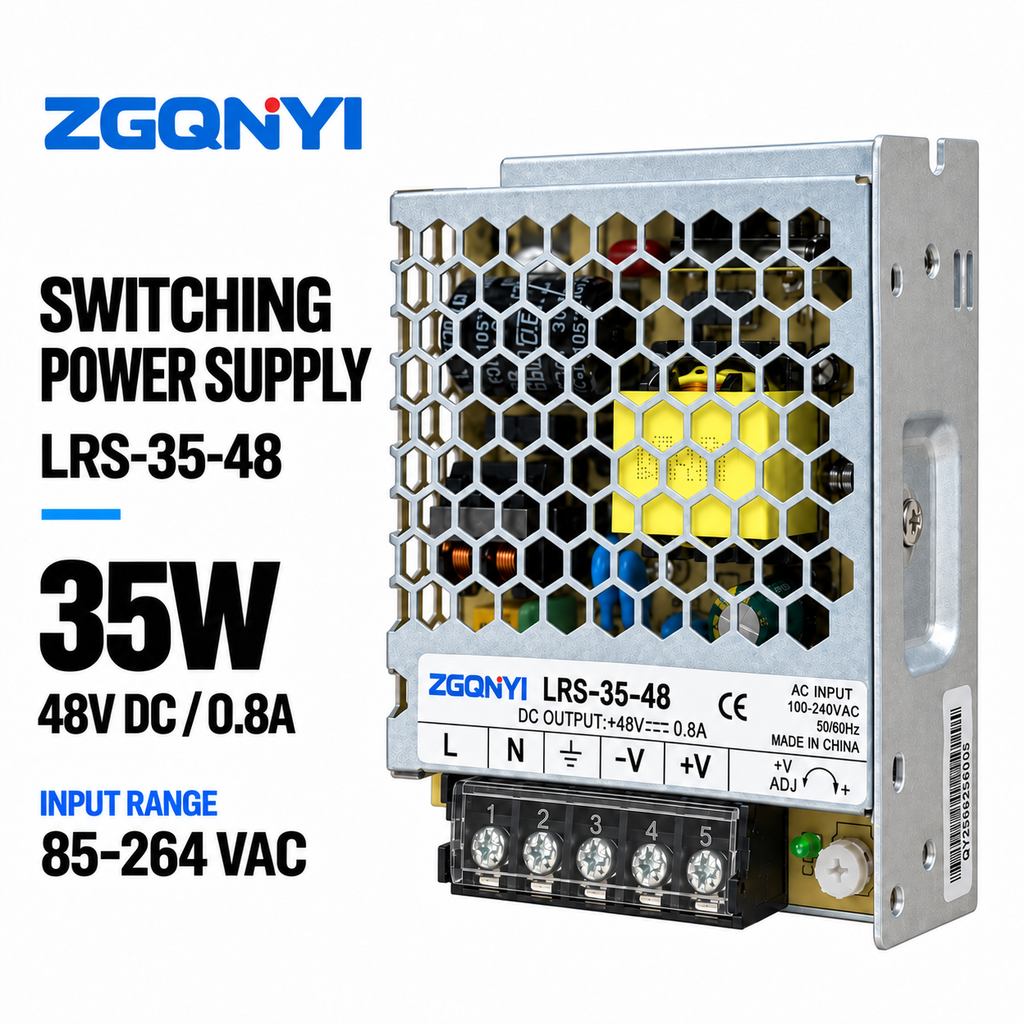
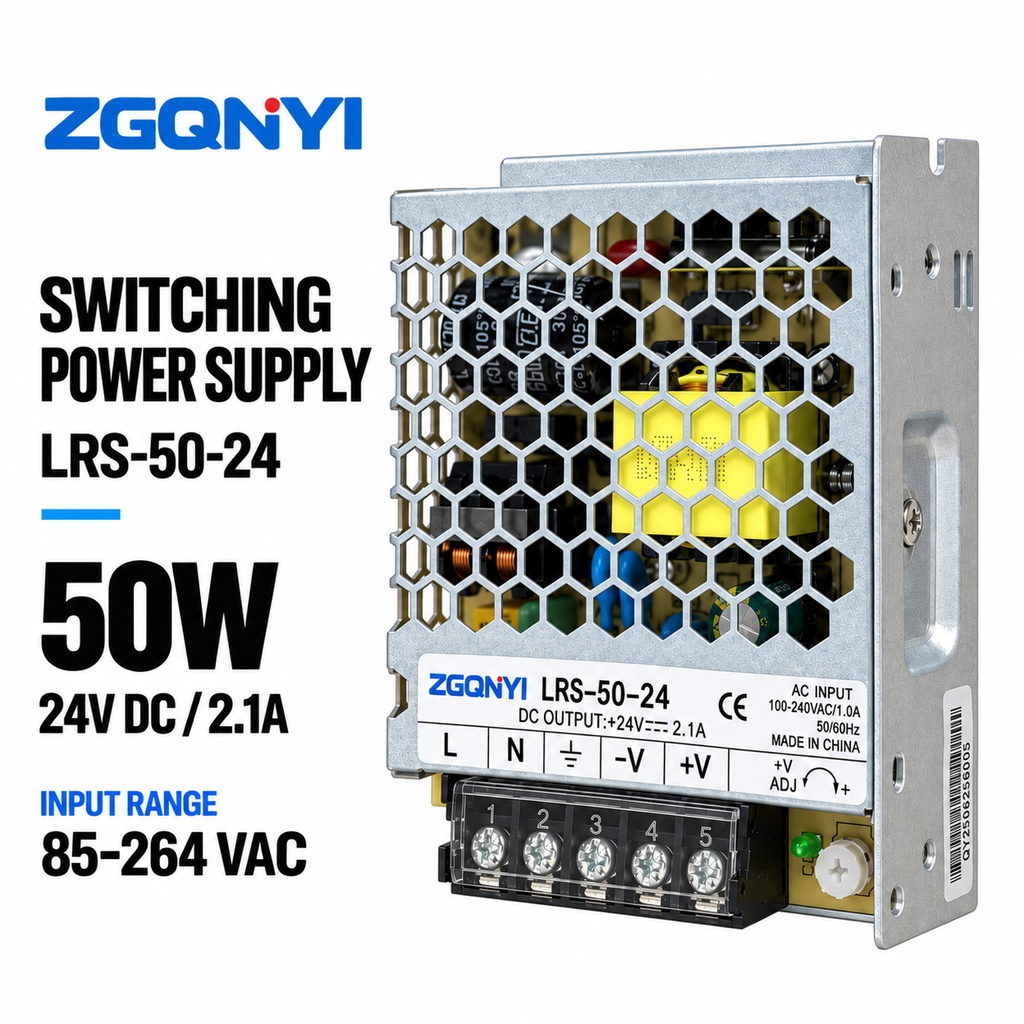
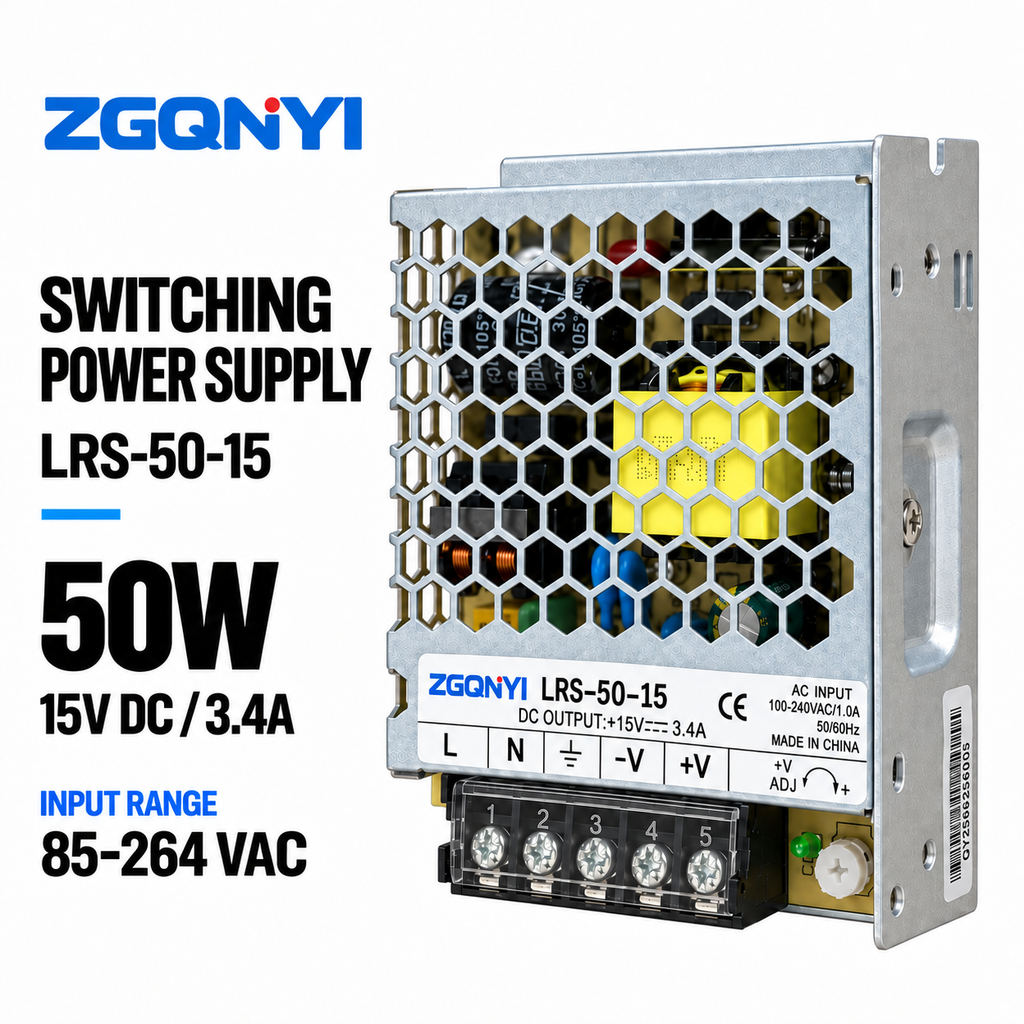
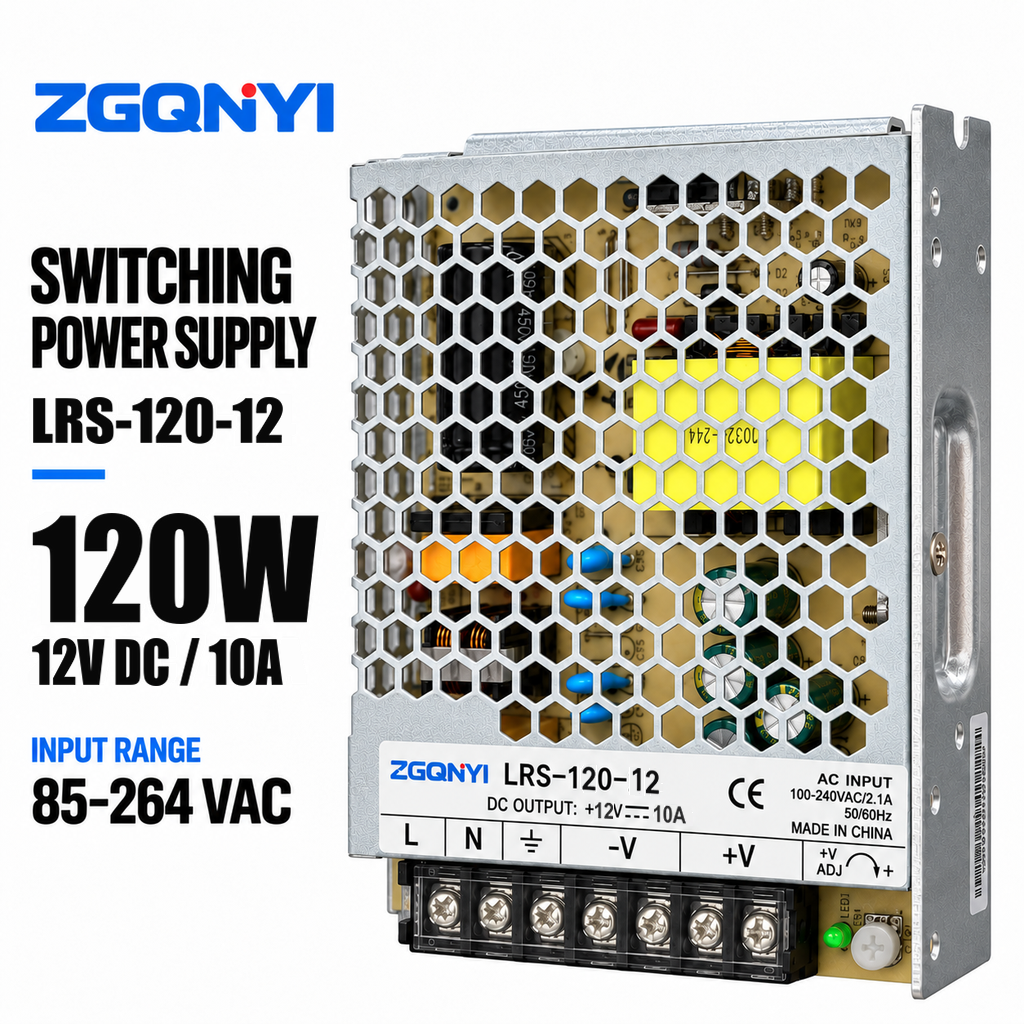
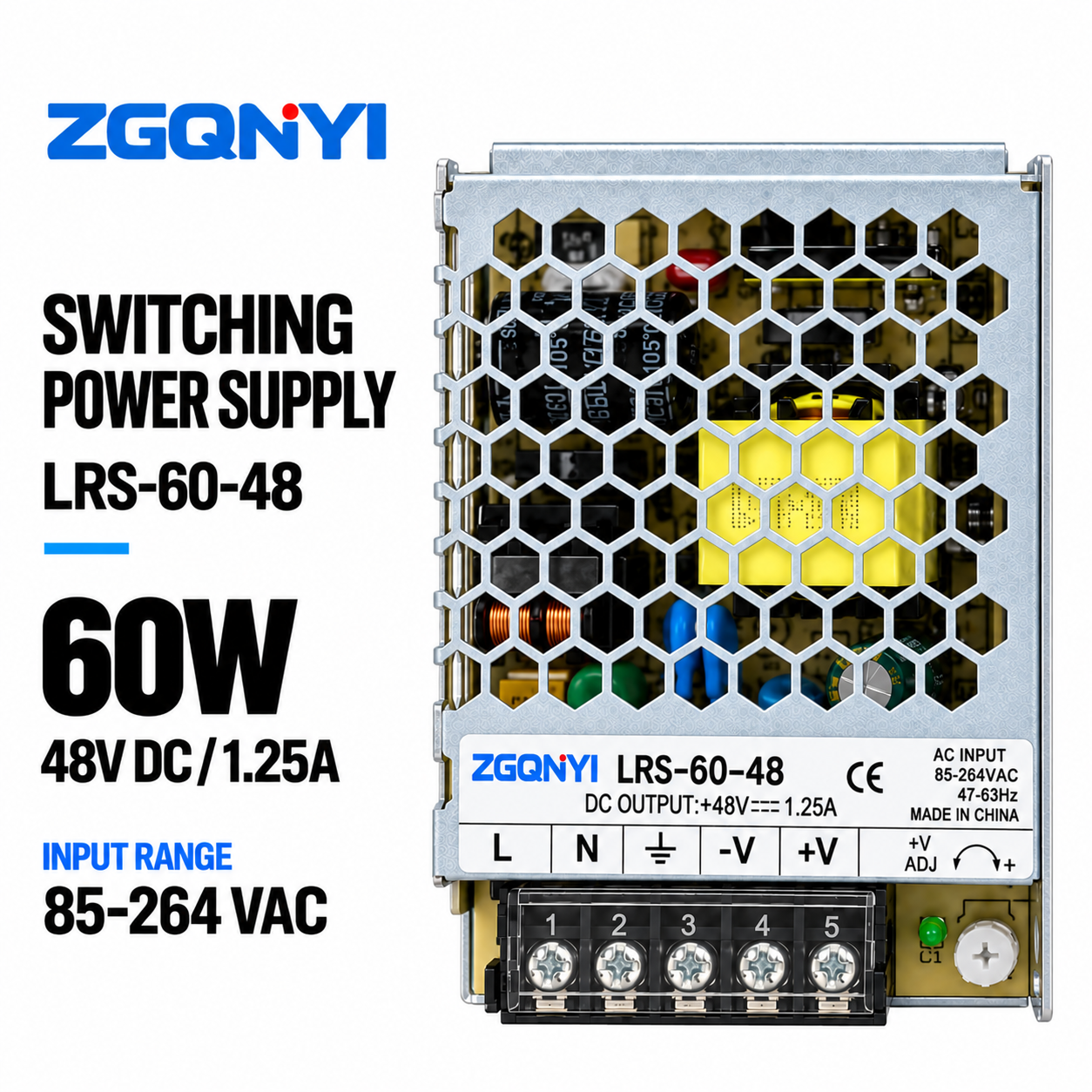
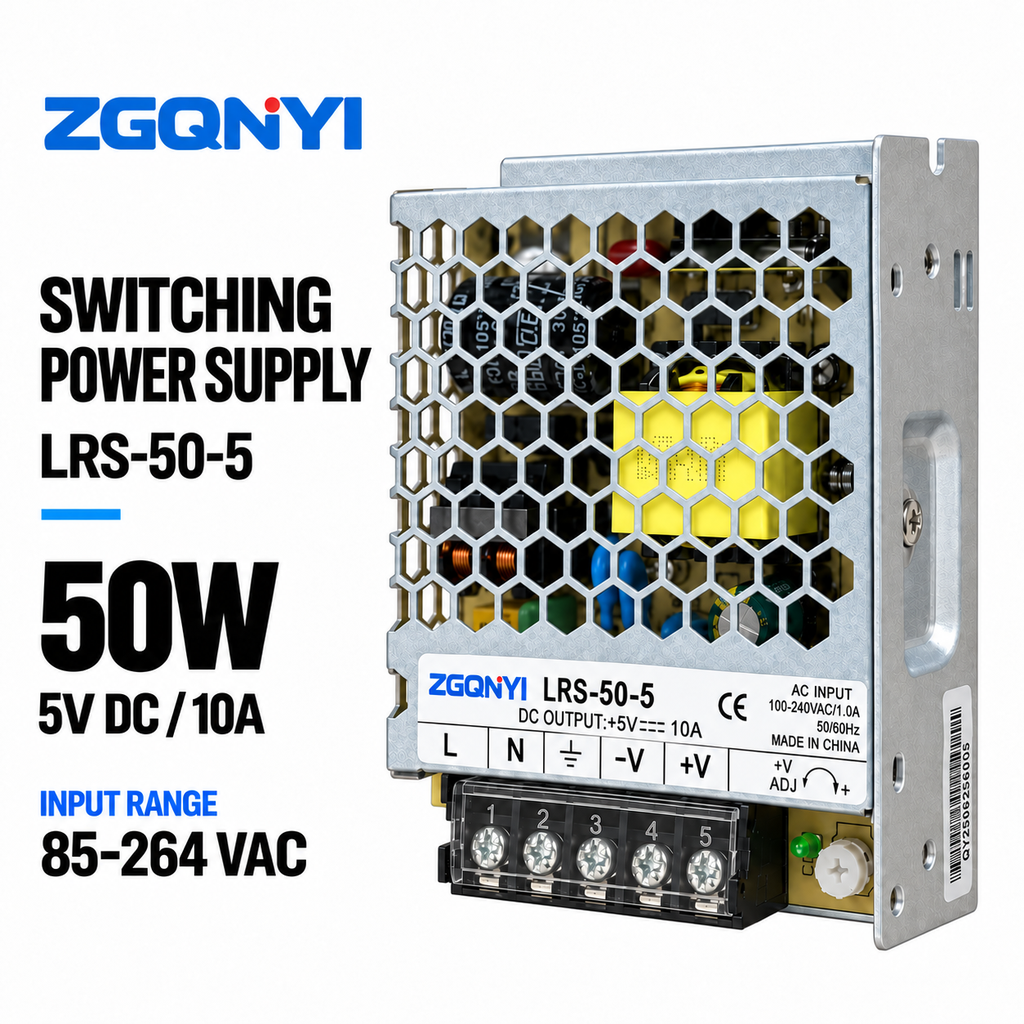
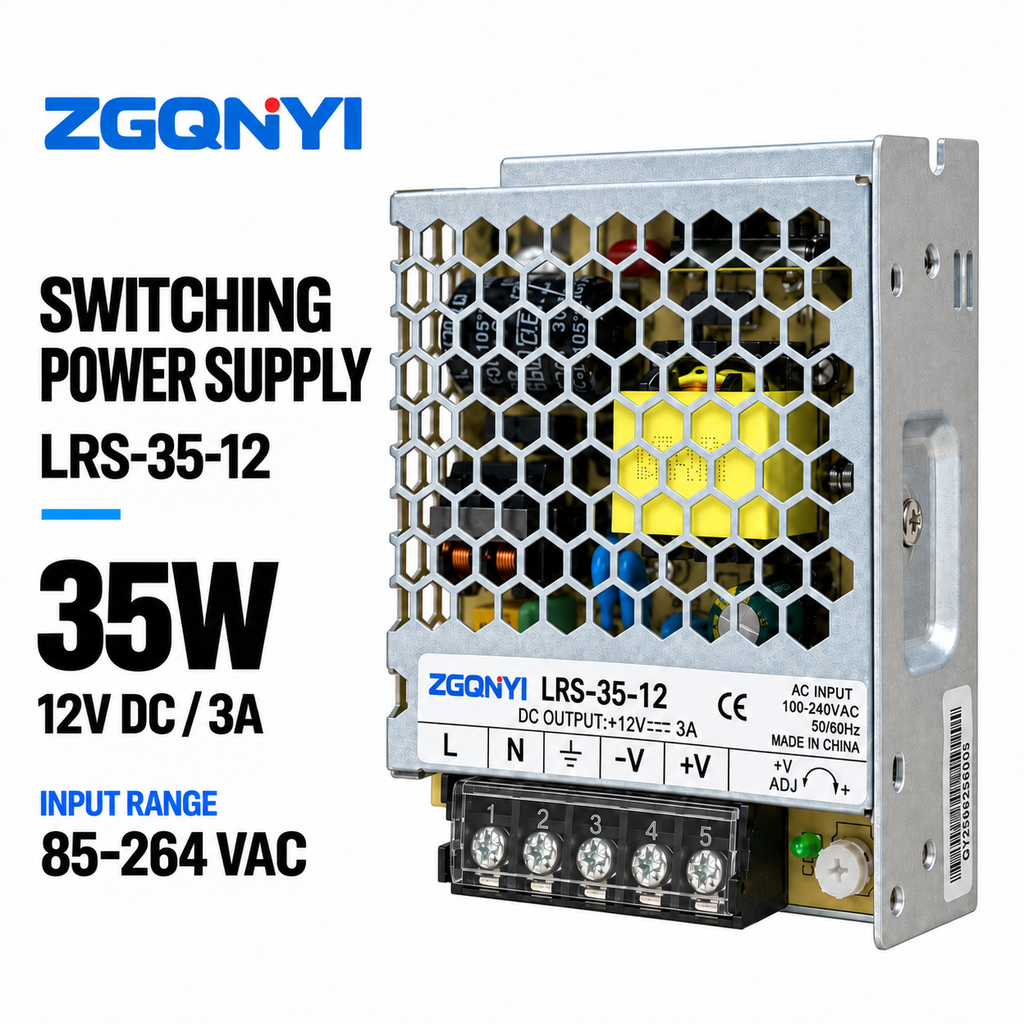
Continuous-load, convection-cooled, pulse-width modulated AC to DC power supplies designed for stringent industrial automation, access enclosures, and solid-state LED arrays.
In power electronics, Pulse-Width Modulation (PWM) forms the cornerstone of regulated DC power delivery. Across modern automated facilities, computing hubs, and communication architectures, equipment designers are migrating away from bulk magnetic transformers toward high-frequency PWM switching conversion. By slicing rectified input DC rails at switching frequencies ranging between 65 kHz and 250 kHz, pulse-width modulated systems dramatically minimize magnetic core sizing while securing energy efficiencies up to 92%.
As a dedicated Chinese OEM/ODM manufacturer, Wenzhou Nuvros Electric optimizes closed-loop feedback mechanisms that actively sample output voltage rails and transient current fluctuations. Utilizing isolated optocoupler links coupled with precision voltage references (TL431 networks) and primary PWM controller ICs, our topologies continuously modulate the duty cycle of primary MOSFETs. If dynamic loads trigger a downward voltage step, the PWM controller expands the duty ratio (δ = t_on / T), replenishing intermediate capacitive reserves with microsecond response times. This feedback precision ensures that downstream sensitive electronics—such as programmable logic controllers (PLCs), high-resolution sensors, dynamic LED modules, and microcontroller nodes—are thoroughly insulated from damaging line surges and inductive back-EMF spikes.
Variable switching width allows sub-cycle line compensation across nominal universal inputs (85–264 VAC), preserving precise voltage clamping under transient operating conditions.
Integrated multi-stage common-mode chokes, X/Y safety suppressors, and balanced planar copper shielding keep emitted Conducted/Radiated EMI well inside CISPR 32 Class B thresholds.
Engineered hardware protections include Hiccup-mode short-circuit defense, active over-voltage crowbar loops, auto-recovery thermal shut-off, and continuous current limiting.
Beyond raw conversion, thermal balancing dictates product lifecycle endurance. The MTBF (Mean Time Between Failures) of industrial SMPS systems is primarily bounded by the thermal stress experienced by intermediate aluminum electrolytic smoothing capacitors. According to Arrhenius' Law, every 10°C elevation in capacitor operating temperature cuts operating life expectancy by 50%. Our engineering team incorporates 105°C-rated long-life Japanese/Taiwanese electrolytic capacitors, perforated honeycomb chassis configurations for unimpeded natural thermal convection, and localized aluminum heat spreaders on primary power switches. This allows our units to reliably operate across -30°C to +70°C environments without premature capacity degradation.
Key technological transformations steering B2B procurement roadmaps, total cost of ownership (TCO) assessments, and component selection strategies over the next decade.
The industrial landscape is aggressively advancing toward Gallium Nitride (GaN) and Silicon Carbide (SiC) semiconductors. These wide-bandgap alternatives allow switching frequencies exceeding 500 kHz with practically zero reverse recovery losses. Procurement teams targeting miniaturized chassis can anticipate up to 40% reduction in volume and superior operational efficiency across ultra-dense enclosures.
Standard isolated power units are morphing into smart nodes on industrial fieldbuses. Future-ready procurement strategies emphasize digital telemetry capabilities: RS-485 Modbus, CANbus, and PMBus integration. Engineers can monitor live output voltage, running current, ambient temperatures, and thermal derating markers remotely, transitioning preventive maintenance into predictive maintenance.
Stricter regional power factor requirements (IEC/EN 61000-3-2) dictate that power units consuming above 75W incorporate Active Power Factor Correction (PFC). Sourcing strategies are moving toward PFC-equipped power solutions with >0.98 power factor metrics, minimizing harmonic line feedback, avoiding utility penalty rates, and significantly reducing upstream line conductor heating.
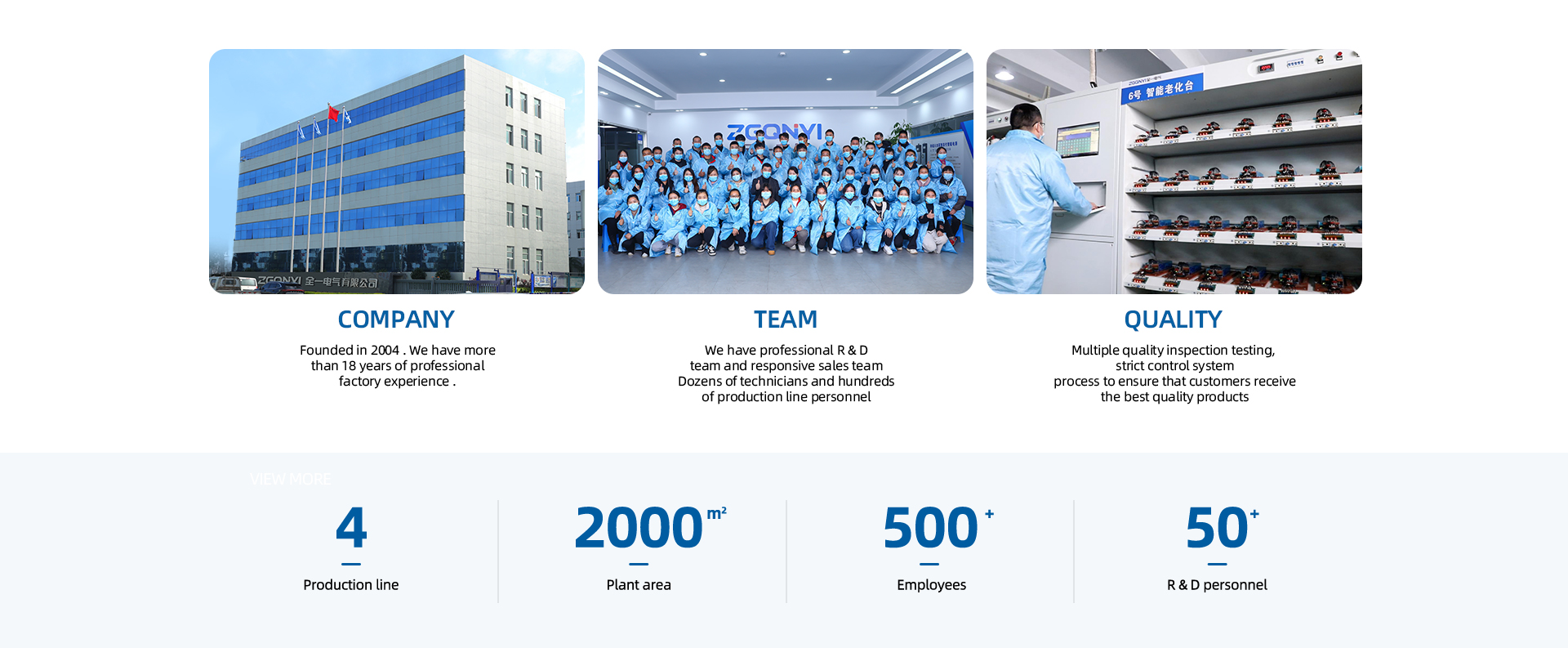
Combining 18 years of technical mastery, robust supply chain clustering in Beibaixiang Town, and an uncompromising quality assurance standard for international Tier-1 equipment builders.
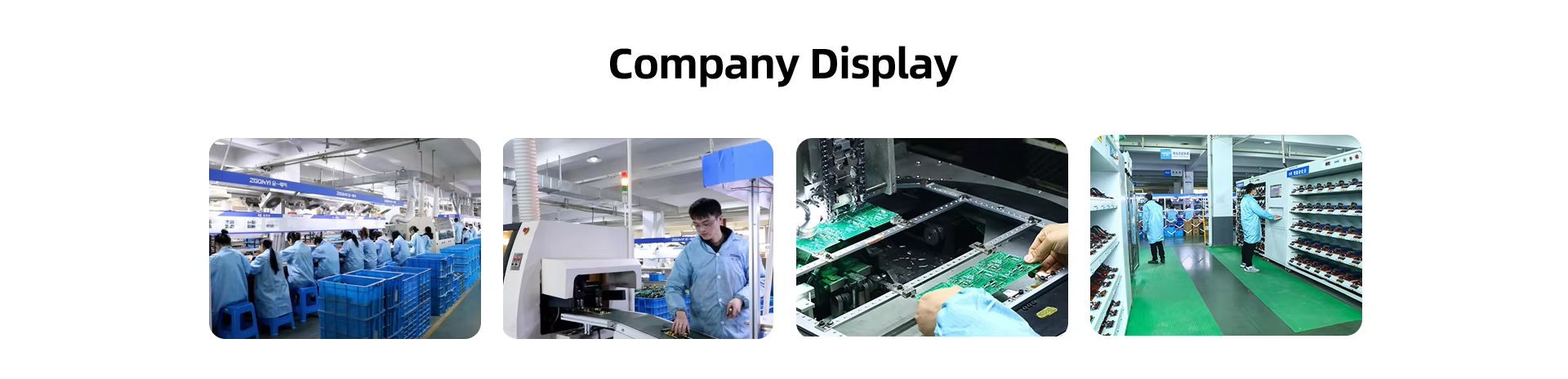
Our 10,000 m² operating footprint spans automated Surface Mount Technology (SMT) suites, wave-soldering lines, automatic optical inspection (AOI), and laser chassis processing, driving a monthly capacity of 500,000 finished units with stringent lot-to-lot repeatability.
Reliability cannot be inferred; it must be proven. Every single manufactured SMPS undergoes 100% full-load elevated-temperature burn-in cycles in dedicated aging rooms, systematically weeding out infant mortality defects prior to export packing and terminal logistics.
Backed by an 18-year veteran power R&D engineering division, we accommodate complete custom requests: bespoke voltage rails, customized constant-current thresholds, conformal coating for harsh environments, specialized terminal layouts, and private branding.
In-depth responses to core engineering and logistics questions frequently encountered during international vendor qualification.
We deliver full-cycle custom engineering spanning schematic derivation, PCB layout, transformer magnetics winding, thermal simulation, prototyping, and regulatory validation. We support bespoke output voltages (e.g., non-standard 15V, 36V, 60V, or higher-voltage rails up to 220V), variable CC/CV current limiting, RS485 communication protocols, and tailored form factors. OEM branding, custom metal stampings, and buyer packaging are seamlessly supported.
As a standard engineering baseline, power supplies should be sized with a 20% to 30% headroom buffer beyond the calculated continuous load (Operating Load ≤ 0.8 × Rated Power). For highly inductive or capacitive dynamic loads (e.g., stepper motors, cooling fans, solenoid actuators, capacitive circuits), peak inrush currents must be cross-checked against peak transient wattage. Ambient enclosure temperatures above 50°C must incorporate standard thermal derating tables down to 50% capacity at 70°C.
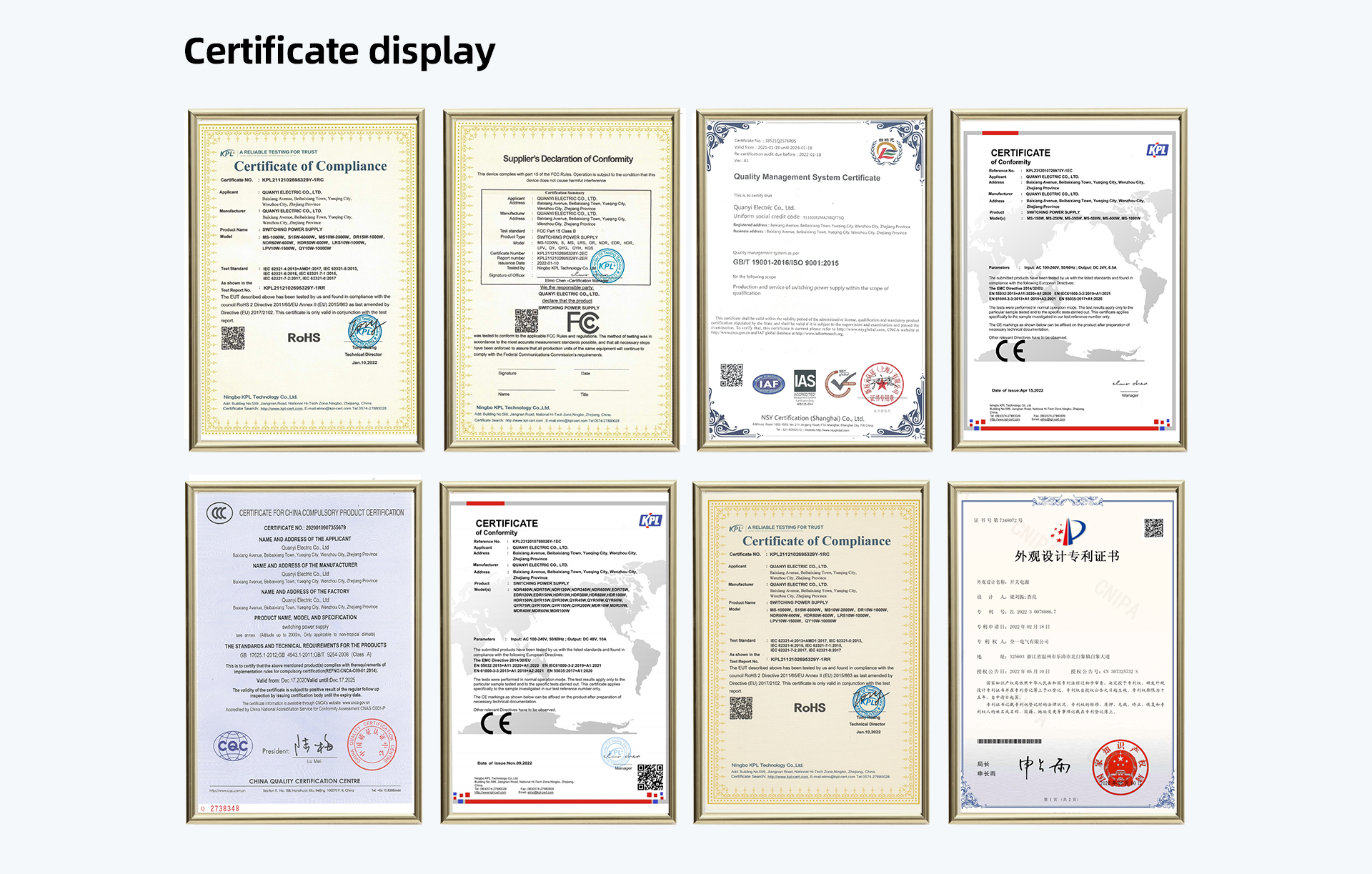
Our standard and custom models are engineered in strict alignment with CE (Low Voltage Directive 2014/35/EU and EMC Directive 2014/30/EU) and RoHS environmental compliance. Specific families meet safety insulation requirements outlined in EN/IEC 62368-1 (audio/video, information and communication technology) and industrial control standard EN 61558. Declarations of Conformity, full test reports, and component traceability records are supplied upon qualification.
Off-the-shelf standard engineering samples can be dispatched from 1 piece within 2 to 5 business days for evaluation. Custom ODM prototyping cycles typically require 15 to 25 business days based on transformer tooling complexity. For full production container batches, lead times range from 3 to 4 weeks. Commercial Incoterms include FOB Ningbo/Shanghai, CFR, CIF, EXW, FCA, and DDP air/ocean delivery, supported by multi-currency settlement (USD, EUR, CNY) via T/T, L/C, or escrow channels.
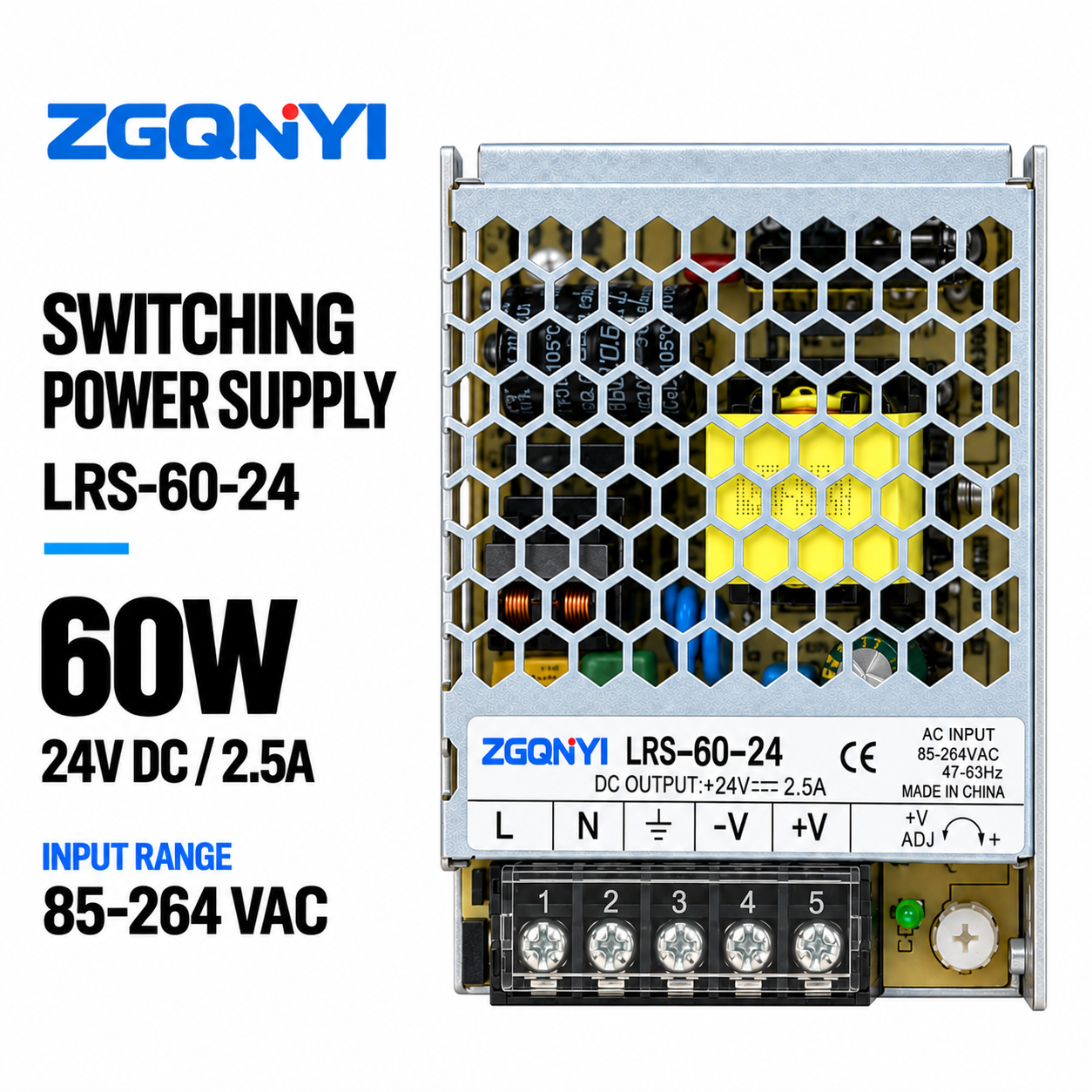
Seeking an engineered OEM quote, customized CC/CV PWM circuitry, or complete product specification datasheets? Connect with our dedicated technical support desk for comprehensive guidance within 1 hour.