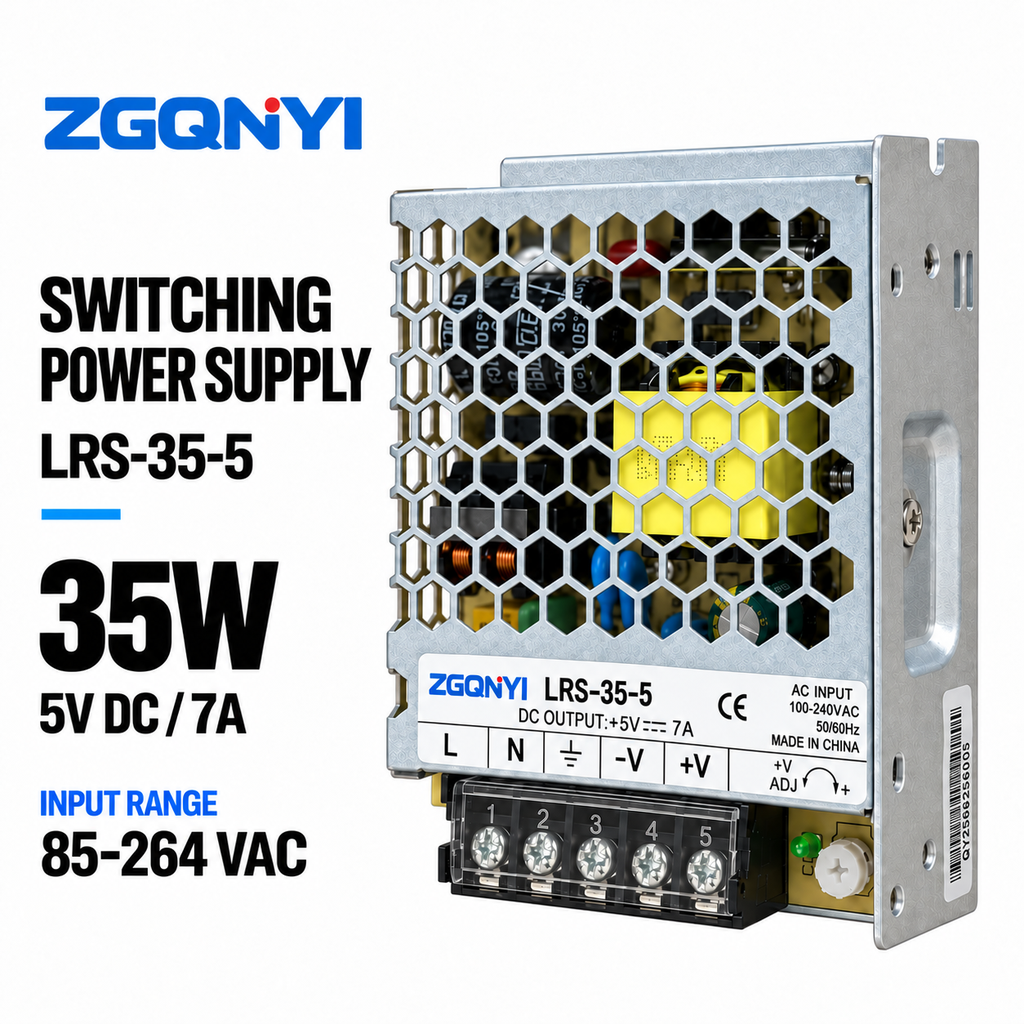
Engineered Component Showcase
Precision Regulated Industrial SMPS Assemblies
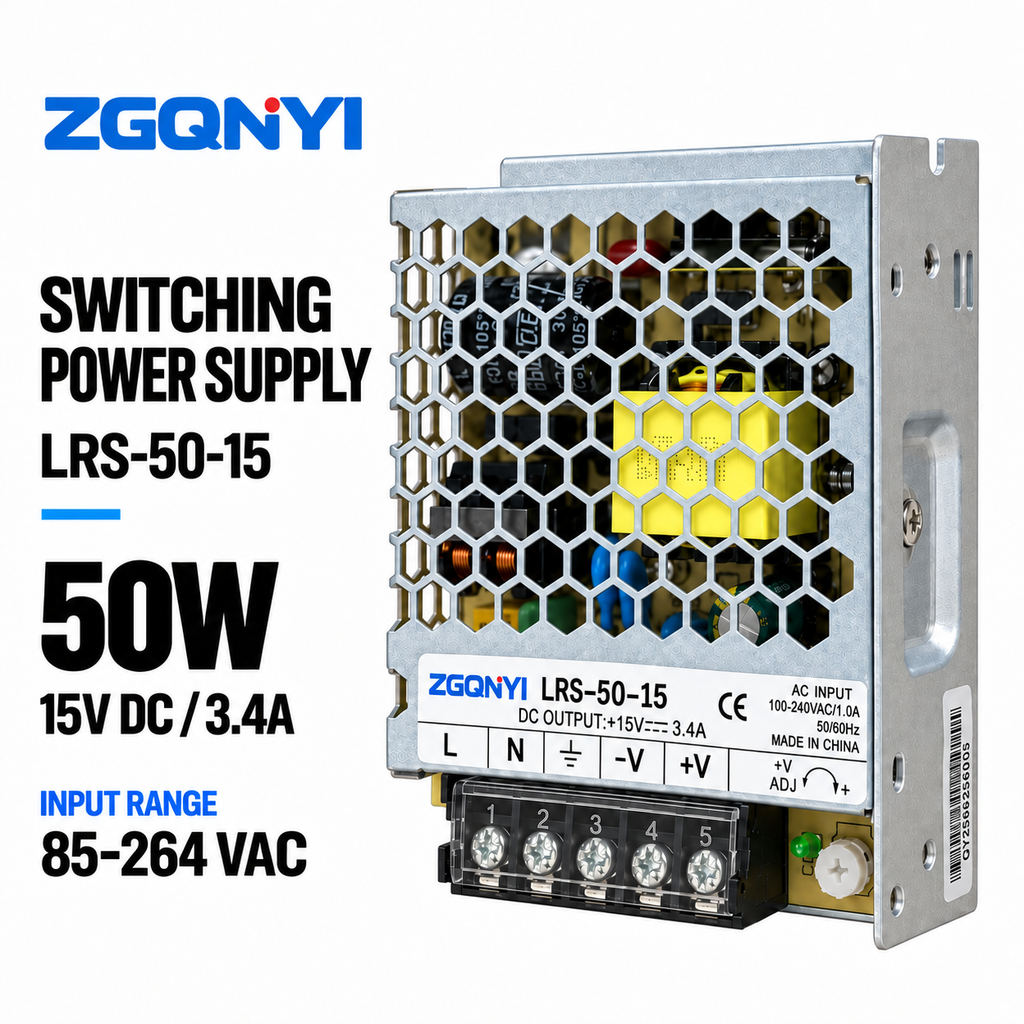
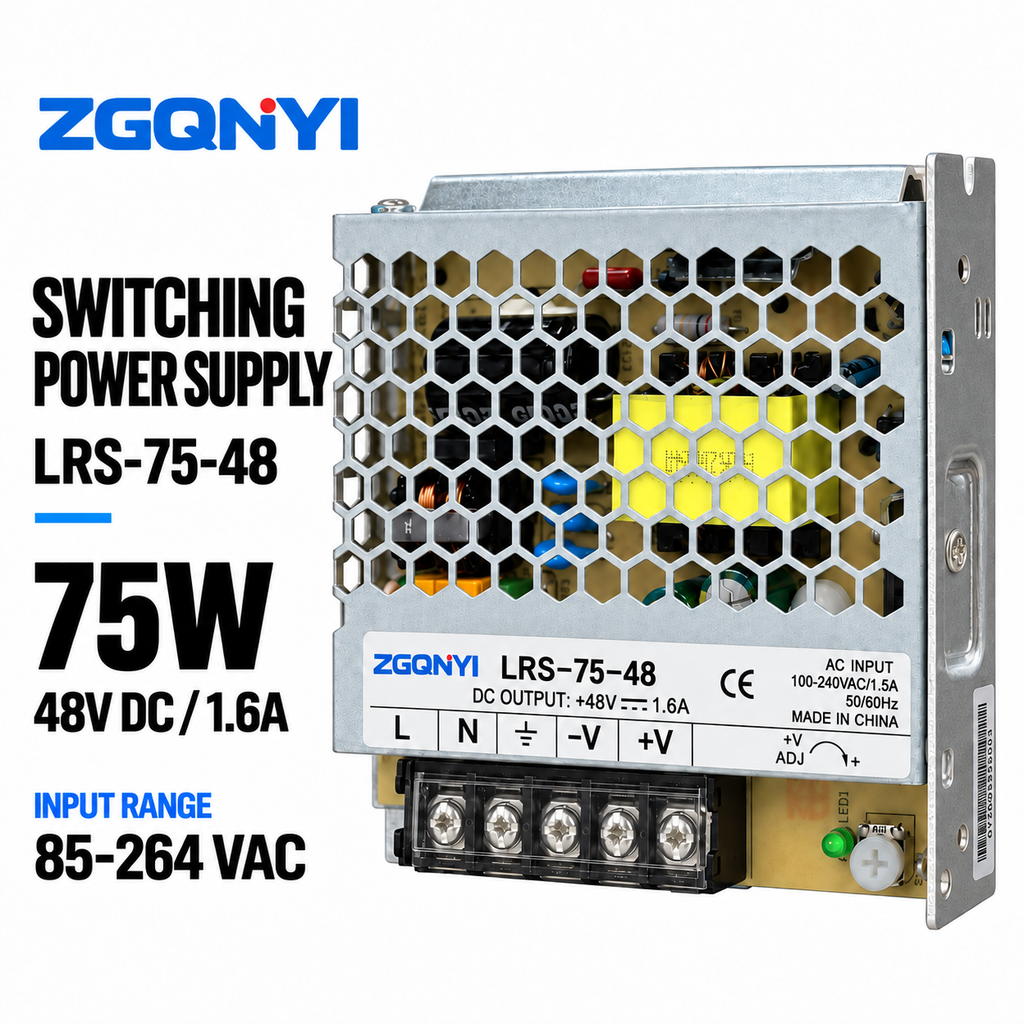
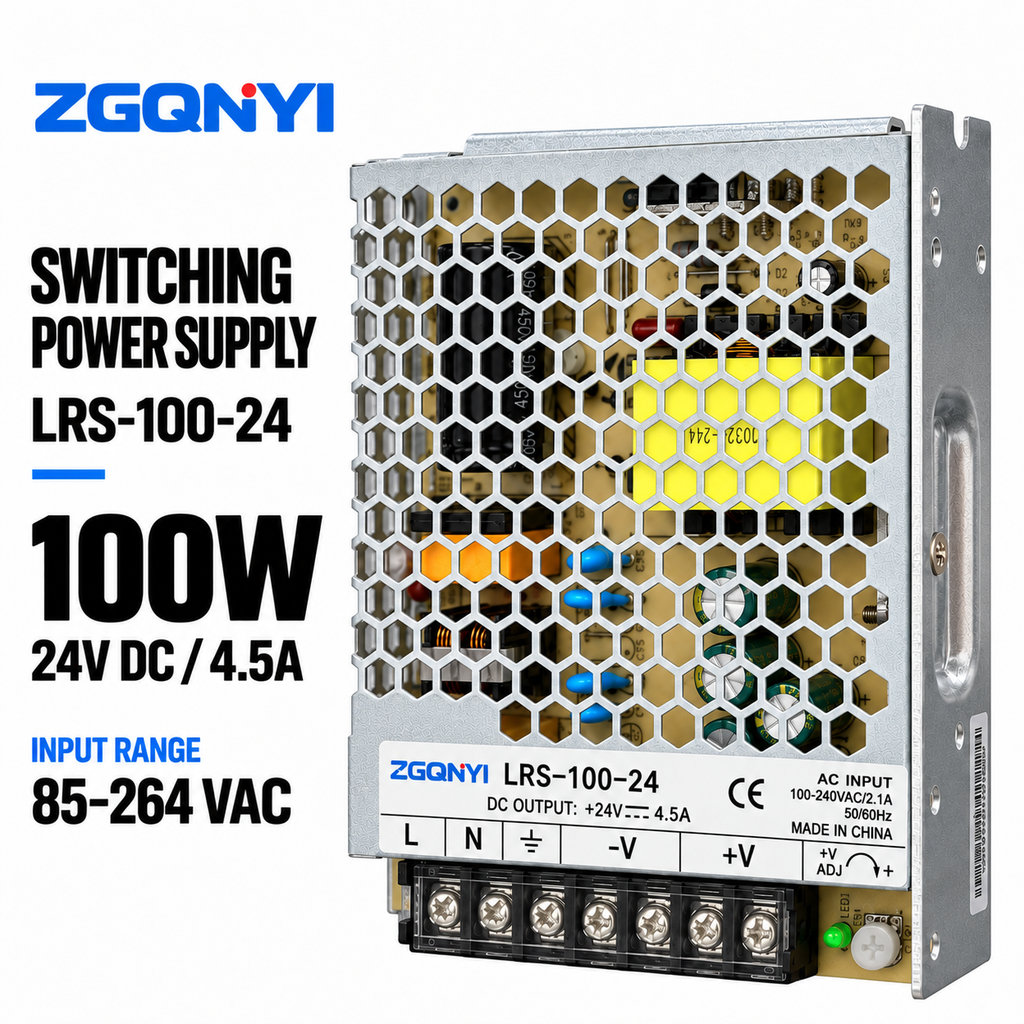
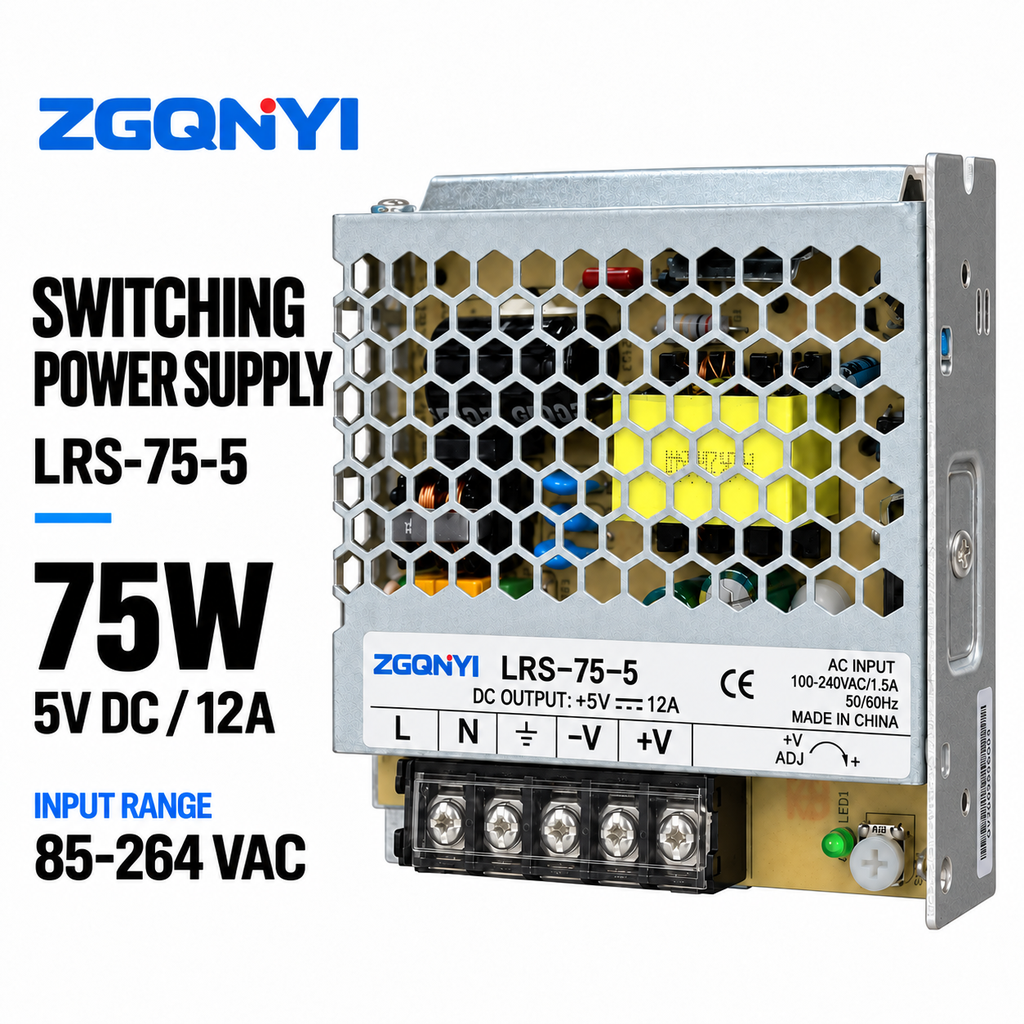
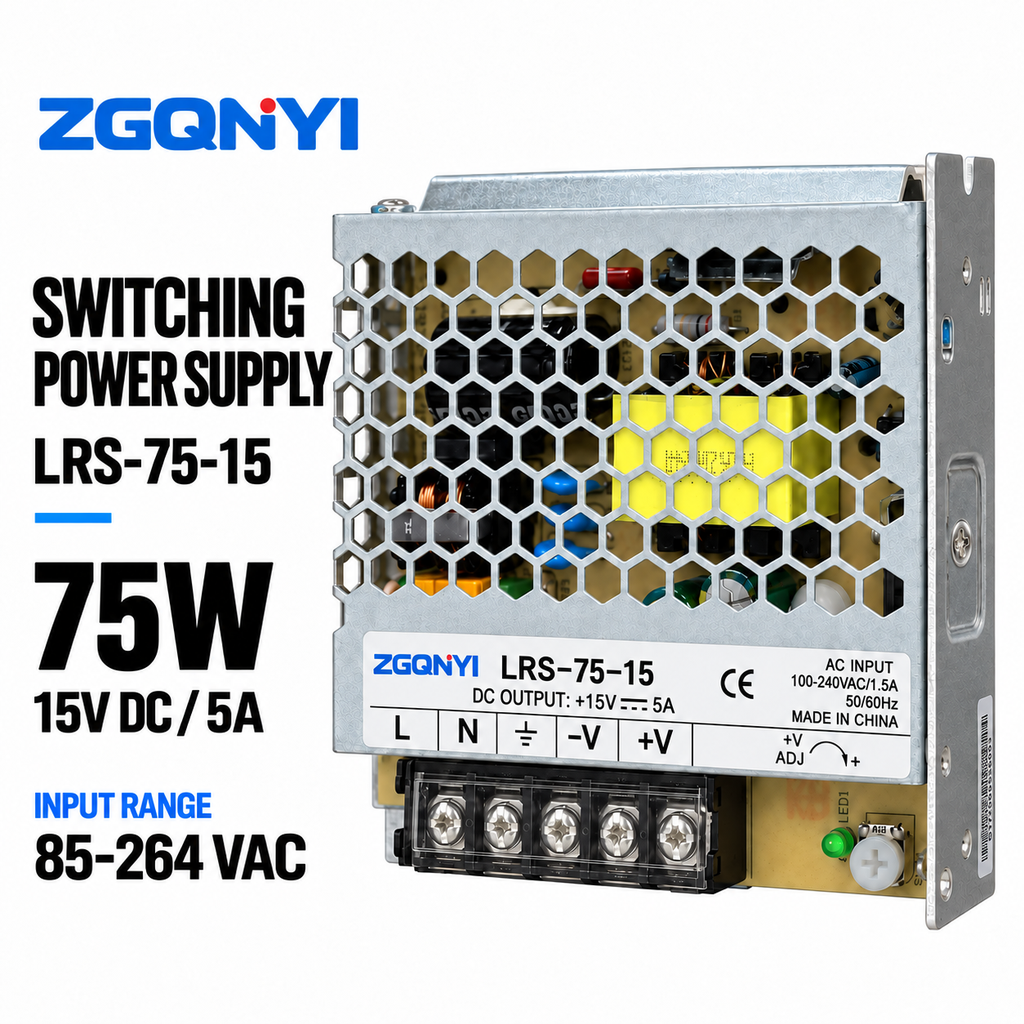
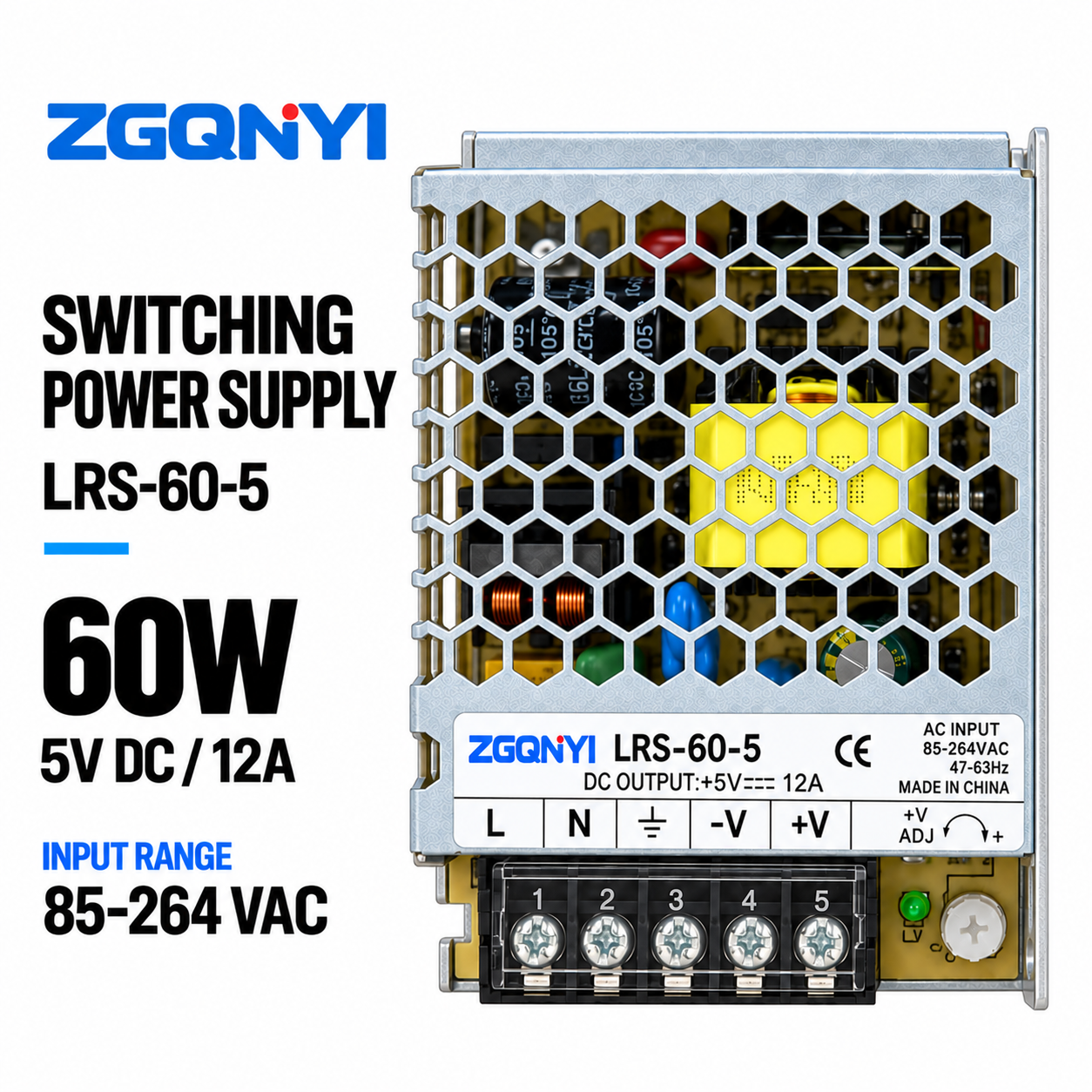
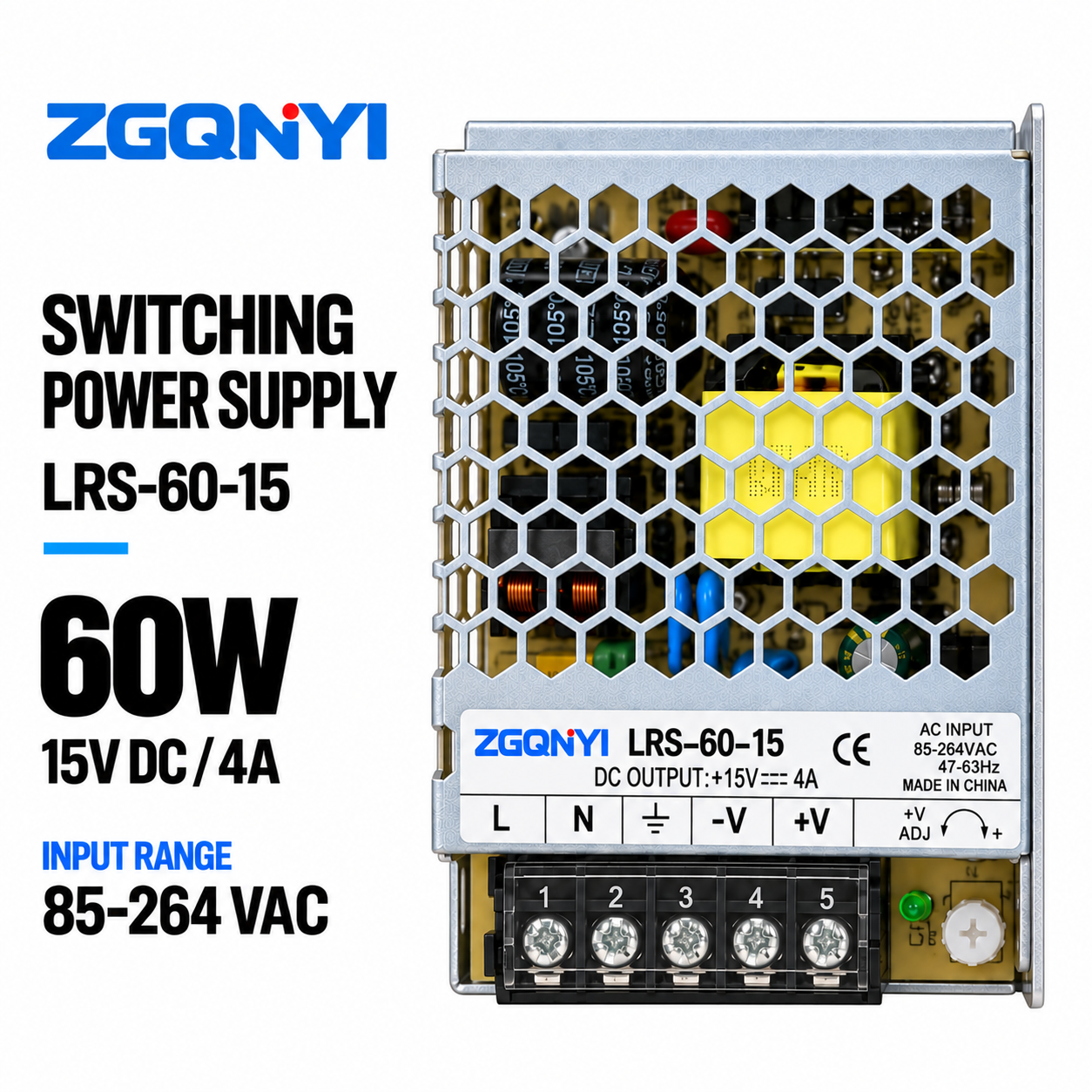
Direct manufacturer supply spanning 5V, 15V, 24V, and 48V DC outputs. Every unit features built-in protection matrices, universal AC inputs, and rigorous low-impedance testing to support high-density industrial control and digital communication equipment.
Technical Authority & System Integration
Engineering Standards for Switched-Mode Power Architecture
Modern switched-mode power supplies (SMPS) serve as the foundation of automation reliability. Evaluating an OEM/ODM conversion platform requires an in-depth understanding of high-frequency switching efficiency, thermal dissipation topologies, and transient ripple mitigation.
1. Topologies of AC/DC Rectification and Thermal Equilibria
In the transition from traditional linear power supplies to compact switched-mode architectures, pulse-width modulation (PWM) combined with low equivalent series resistance (ESR) electrolytic capacitors has enabled conversion efficiencies upwards of 89% to 93%. In series designs like the ultra-thin LRS configurations, metallic mesh enclosures act as convection heat sinks, enabling long mean time between failures (MTBF > 300,000 hours under MIL-HDBK-217F conditions) without necessitating active fan cooling in lower wattages (35W–100W).
Minimizing electromagnetic interference (EMI) while ensuring broad-spectrum harmonic compliance is governed by active or passive power factor correction (PFC). Industrial environments characterized by motor commutation spikes, elevator brake feedback, and high inductive loads demand integrated EMI filtration that adheres stringently to EN55032 Class B emission limits and EN61000-4 surge immunity levels.
2. Constant Voltage (CV) vs. Constant Current (CC) Operational Boundaries
When selecting or customizing power supplies via OEM/ODM avenues, system architects must identify load dynamics. Standard control panels, industrial sensors, and logic controllers function under strict Constant Voltage (CV) tolerances (typically ±1% drift). In contrast, electrolytic processing baths, industrial electroplating vats, automated battery charging arrays, and large-format architectural LED systems require dynamic Constant Voltage / Constant Current (CV/CC) crossover mechanisms.
Our heavy-duty power engineering platforms support wide-range programming from 1kW up to 18kW, where digital PWM controllers adjust secondary winding output dynamically, preventing overcurrent latch-off conditions during low-impedance chemical bath surges or battery depletion states.
Strategic Sourcing Analysis
Future Procurement Trends in Industrial Power Supplies
Global original equipment manufacturers and procurement heads are facing evolving regulatory, logistical, and computational shifts. Understanding upcoming manufacturing trends is critical to maintaining a resilient, cost-effective power supply chain.
GaN and SiC Semiconductor Integration
Procurement teams are shifting toward Wide Bandgap (WBG) semiconductors. Gallium Nitride (GaN) and Silicon Carbide (SiC) switches allow doubling the switching frequencies, reducing magnetic core volumes by over 40% and shrinking cabinet footprint sizes.
Telemetry & Digital Fieldbus Connectivity
Modern automated plants demand bidirectional diagnostic data. Procured SMPS units increasingly feature PMBus, CANopen, or RS485 Modbus telemetry to monitor real-time temperature, output voltage degradation, ripple peaks, and preventative maintenance markers.
Supply Chain Decoupling via Direct Factory OEM
Supply continuity risks have shifted international buyers away from multi-tier regional brokers. Enterprise engineers and distributors are securing long-term contracts directly with integrated manufacturers capable of bespoke mechanical and firmware adaptations.
Technology Trajectory
Evolutionary Roadmaps in DC Power Topologies
From low-profile enclosed cases to massive kilowatt rectifiers, power engineering is evolving rapidly across four critical vectors: harmonic mitigation, extreme environmental hardening, multi-channel modularity, and circular lifecycle compliance.
Active Power Factor Correction (PFC)
Universal compliance with EN61000-3-2 mandates active PFC across power ranges exceeding 75W. Modern platforms maintain power factors >0.98, drastically reducing current wave harmonic distortion on three-phase and single-phase supply lines.
Ruggedized IP67 Ingress Protection
Beyond traditional perforated enclosures, industrial settings require fully vacuum-potted silicone and polyurethane structures resistant to saltwater, ammonia gas, heavy dust, and moisture in outdoor lighting and automated washing lines.
Dynamic N+1 Redundancy Topologies
Process industries are replacing monolithic power arrays with hot-swappable N+1 redundant modules featuring built-in ORing diodes and active current sharing circuitry, guaranteeing zero downtime during subsystem maintenance.
Eco-Design & Standby Efficiency
Meeting European ErP Lot 6 and global Energy Star guidelines demands no-load power draw dropping below 0.3W–0.5W. Intelligent sleep states and burst-mode PWM controllers eliminate unnecessary idle consumption in automated machinery.
Factory Competence & E-E-A-T
Why Tier-1 Engineers Rely on Nuvros Electric
Headquartered in Beibaixiang Town, Wenzhou—the heart of China's electrical apparatus industry—Wenzhou Nuvros Electric Co., Ltd. combines nearly two decades of engineering R&D with vertical manufacturing to deliver robust switching power solutions.
Full-Spectrum Electrical Customization
Our OEM/ODM engineering capabilities cover bespoke DC voltage outputs (3.3V to 220V), custom current limits, unique multi-channel layouts, specialized metal enclosures, customer-branded terminal silk-screens, and field-programmable communication options.
Strict Multi-Stage Quality Gateways
Each production batch undergoes 100% full-load burn-in testing under controlled thermal conditions. Automated optical inspection (AOI), dielectric withstand testing (Hi-Pot 3kVAC isolation), and high-frequency spectrum analyzers eliminate early infant mortality.
Rapid Response & Streamlined Logistics
With an average recorded technical inquiry response time under 1 hour during business hours, our global export division handles complete FOB, CFR, CIF, and DDP shipments across North America, Europe, Southeast Asia, and South America.
Procurement Knowledgebase
Frequently Asked Questions on Sourcing Industrial SMPS
Essential technical clarifications, certification standards, and commercial frameworks addressing common questions raised by electrical engineers, system buyers, and overseas importers.
What is the standard lead time for bespoke OEM/ODM power supply designs?
Standard catalog units and evaluation samples are readily shipped within 3 to 7 working days. For OEM projects requiring mechanical restructuring, customized PCB trace routing, or special output voltage tuning, initial engineering prototypes are typically delivered in 2 to 3 weeks, followed by full mass manufacturing in 20 to 30 days upon drawing freeze.
How do you calculate proper derating margins for enclosed control cabinets?
We advise sizing continuous operational loads at 70% to 80% of the SMPS nominal rated capacity (a 20% to 30% headroom buffer). If the ambient temperature inside your enclosed panel exceeds 50°C (122°F), consulting our published thermal derating curve is essential, as available power typically scales down by 2% to 2.5% per °C up to 70°C.
Which global safety and hazardous material certifications do your products hold?
Most standard products are engineered to conform with CE (LVD EN 62368-1 / EMC EN 55032) and RoHS environmental directives. Where clients require specific regional certificates such as UL, CB, or CCC marks for project bidding, we can orchestrate testing and file verification through certified third-party testing laboratories.
What protection mechanisms are standard across LRS and High-Power units?
Our standard topologies integrate four critical fault safety matrices: Overload / Overcurrent Protection (hiccup mode or constant current limiting with auto-recovery), Overvoltage Protection (clamping via internal Zener or crowbar circuit), Short Circuit Protection (continuous auto-recovery without fusing damage), and Over-Temperature Protection (thermal shutdown trip with automatic restart upon cooling).
Accelerate Your Engineering Integration & Volume Sourcing
Looking for a custom voltage rail, private label branding, or scheduled volume shipments? Connect directly with our electrical engineering and global export desk today for datasheets, customized 3D CAD step files, and factory quotes.
Get a Quote