Enterprise Product Portfolio
Core Industrial & Control Cabinet Power Supplies
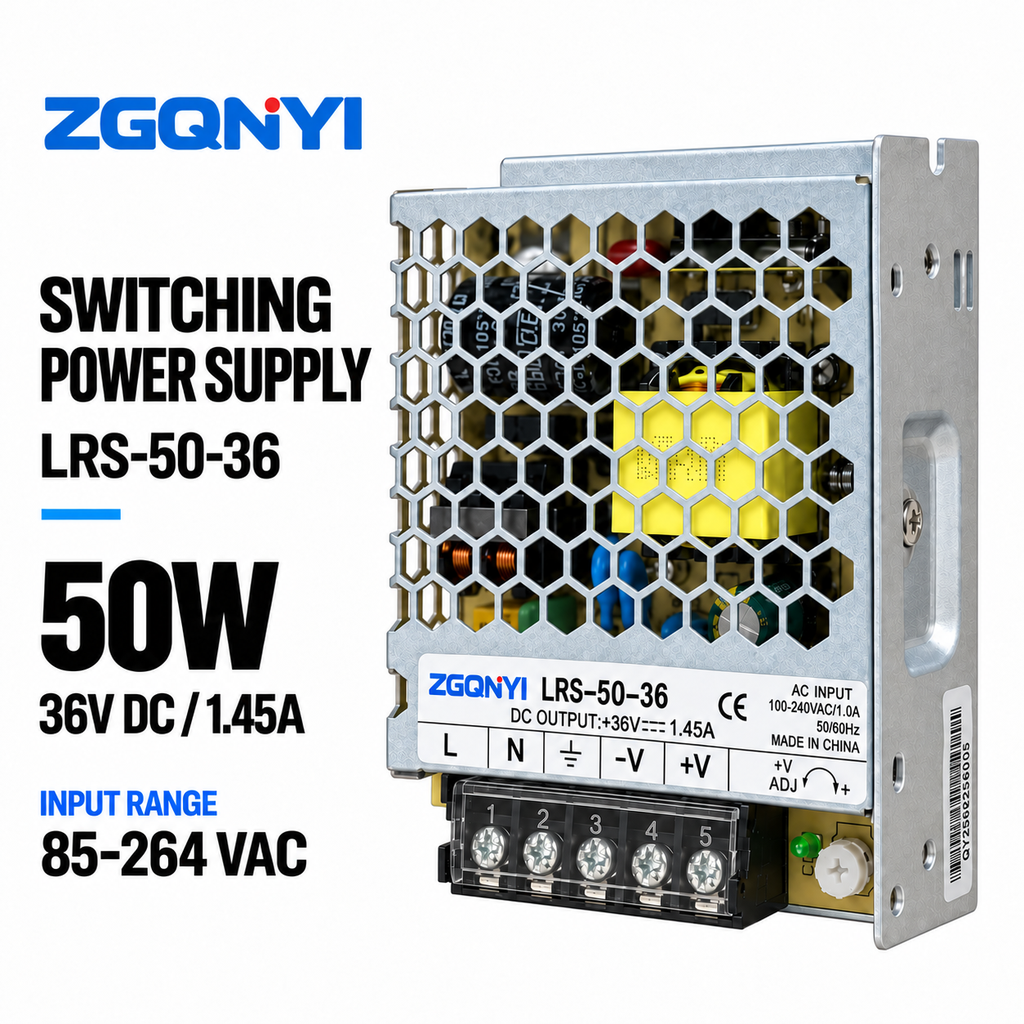
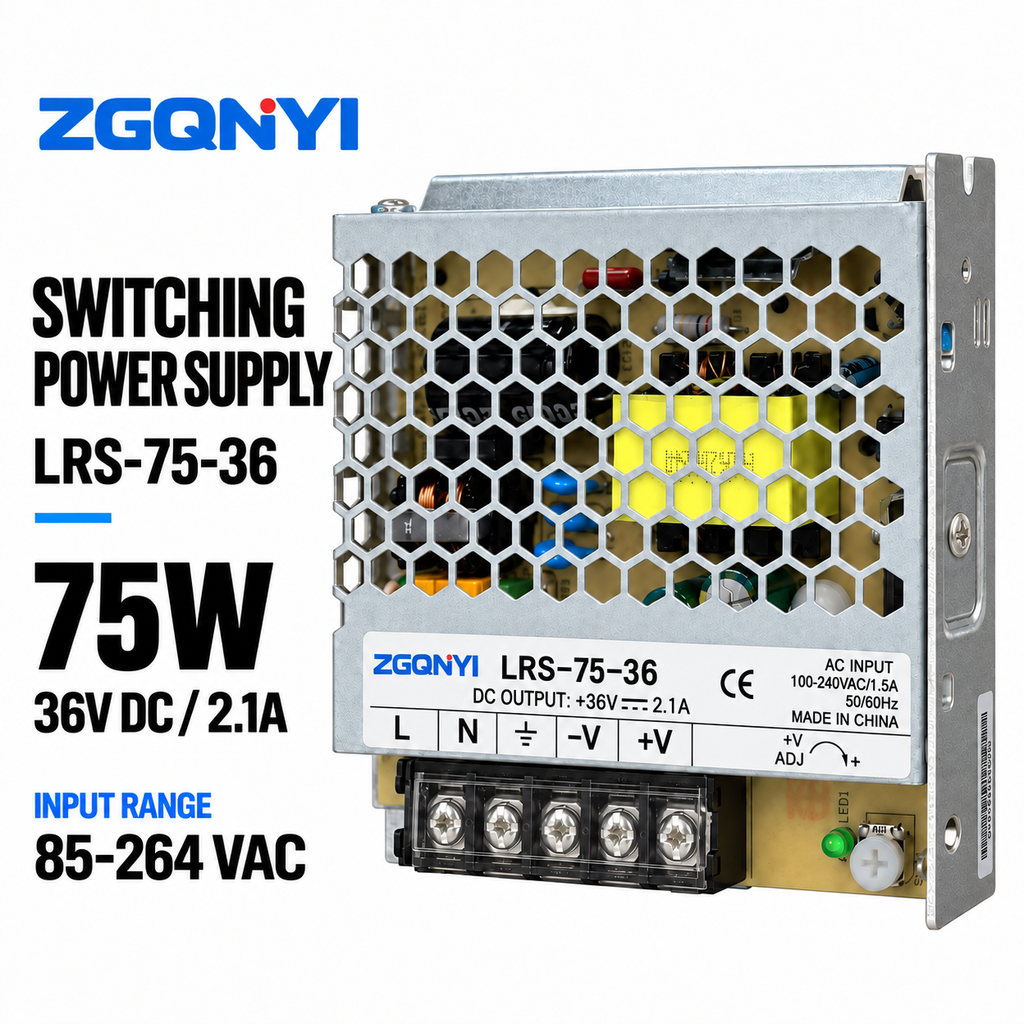
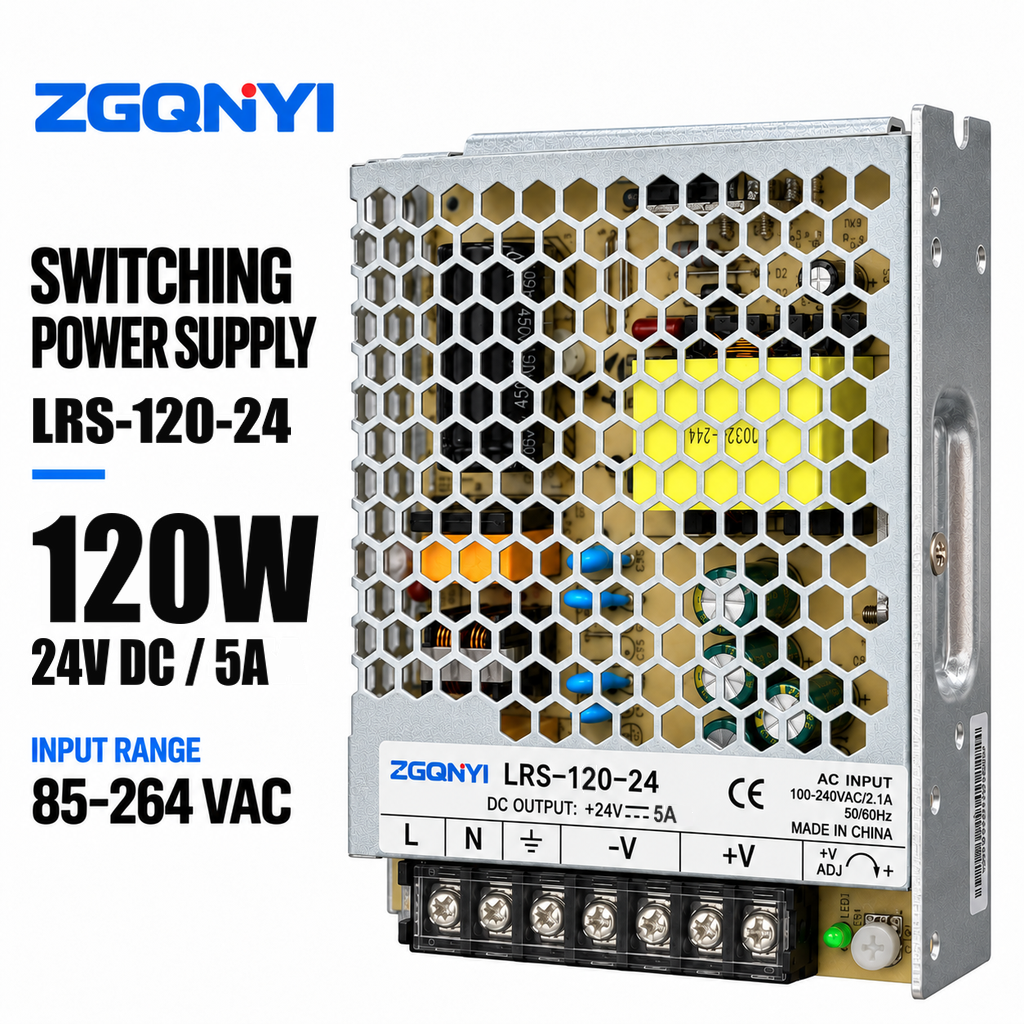
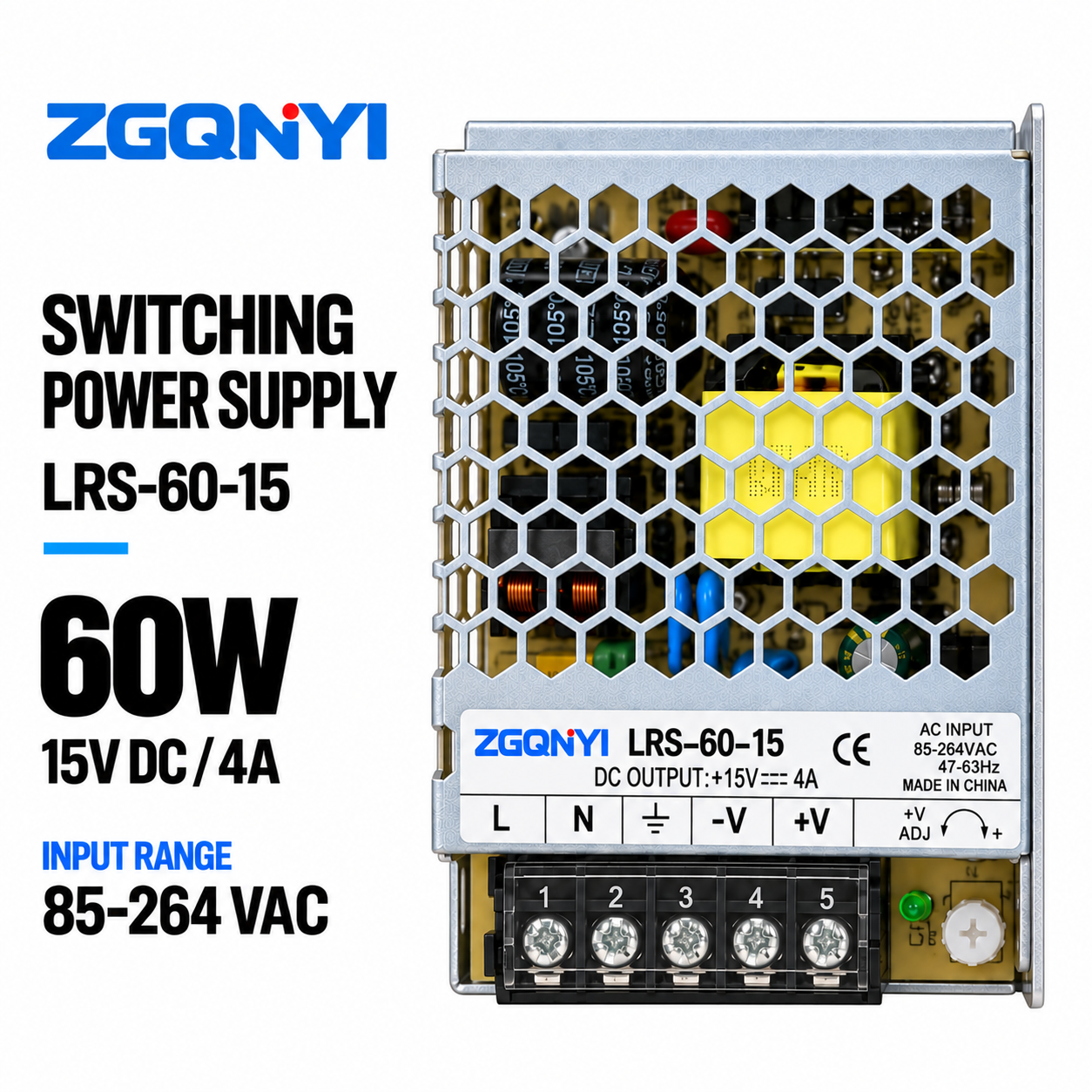
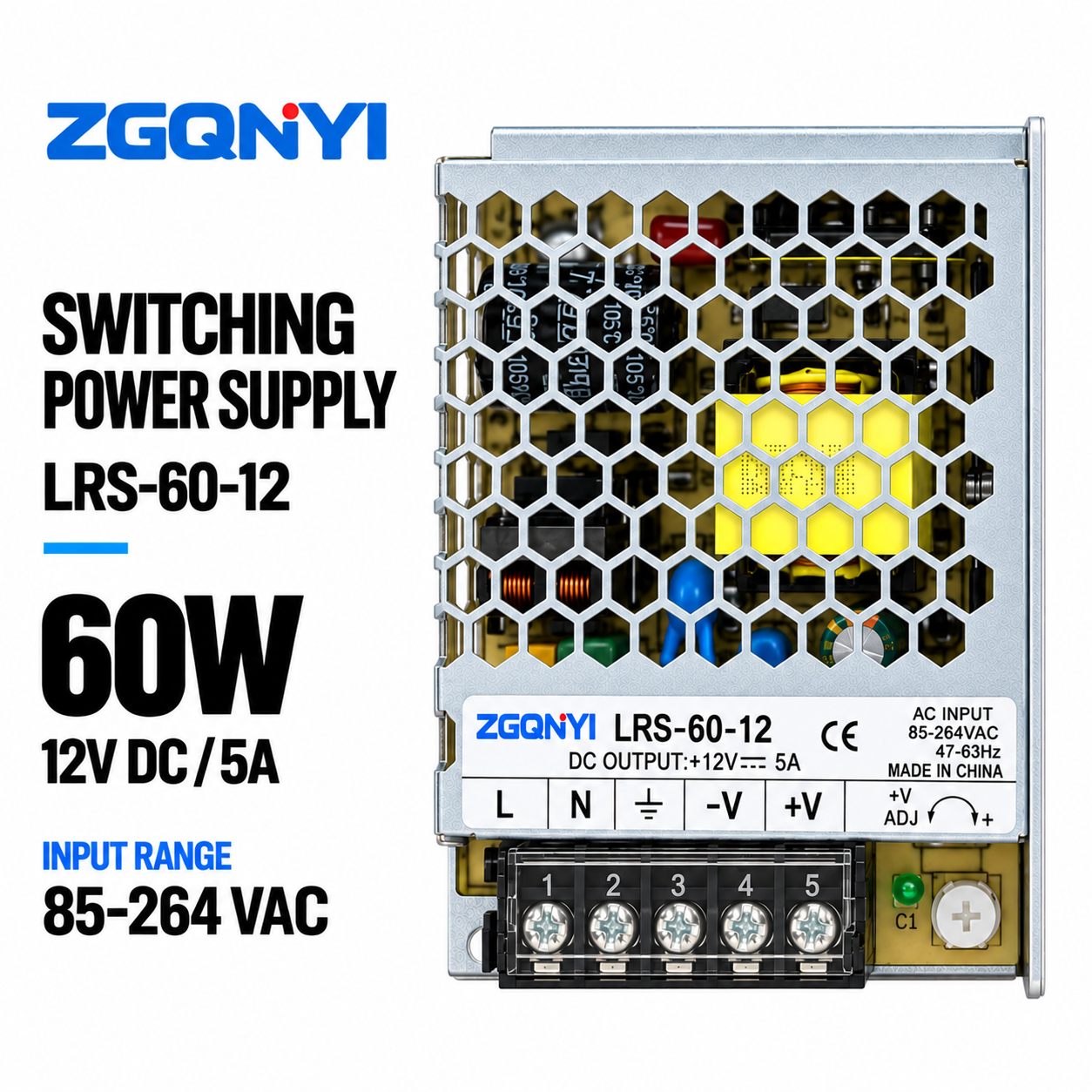
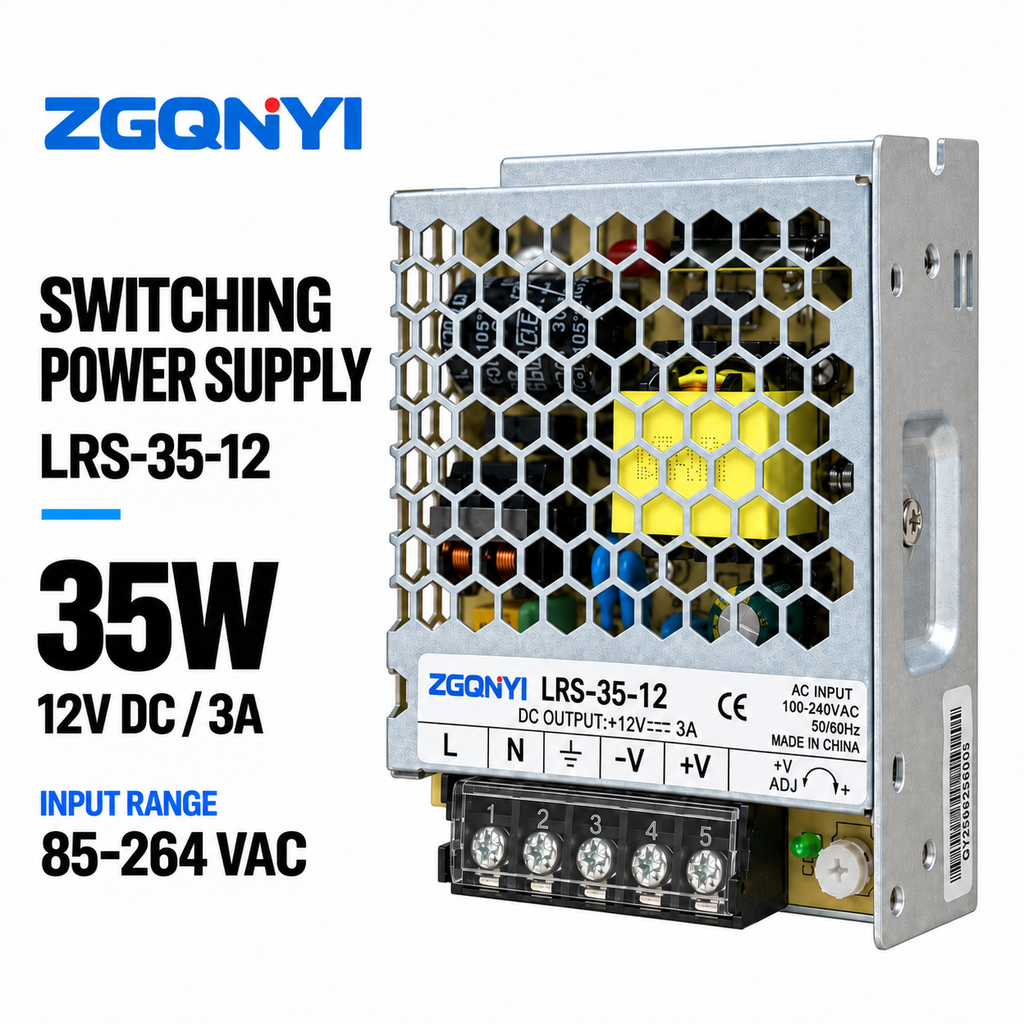
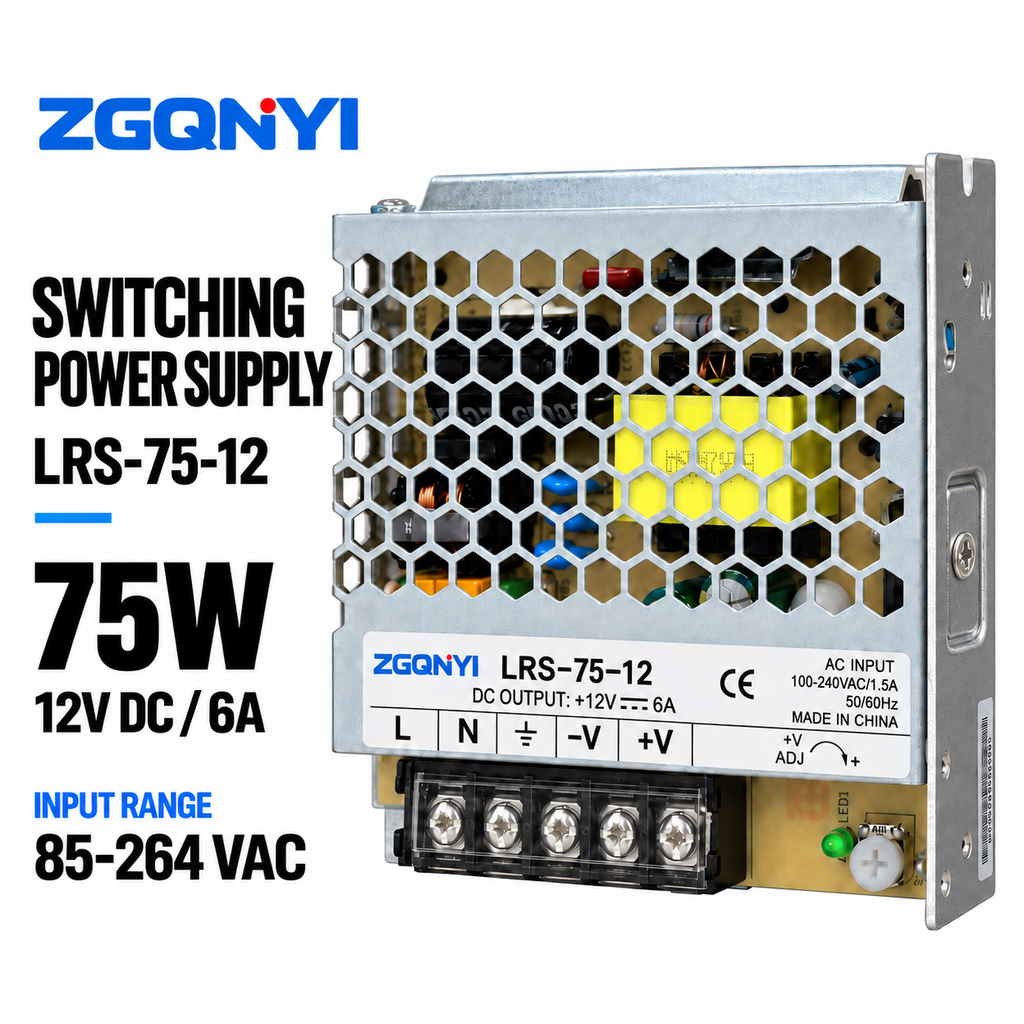
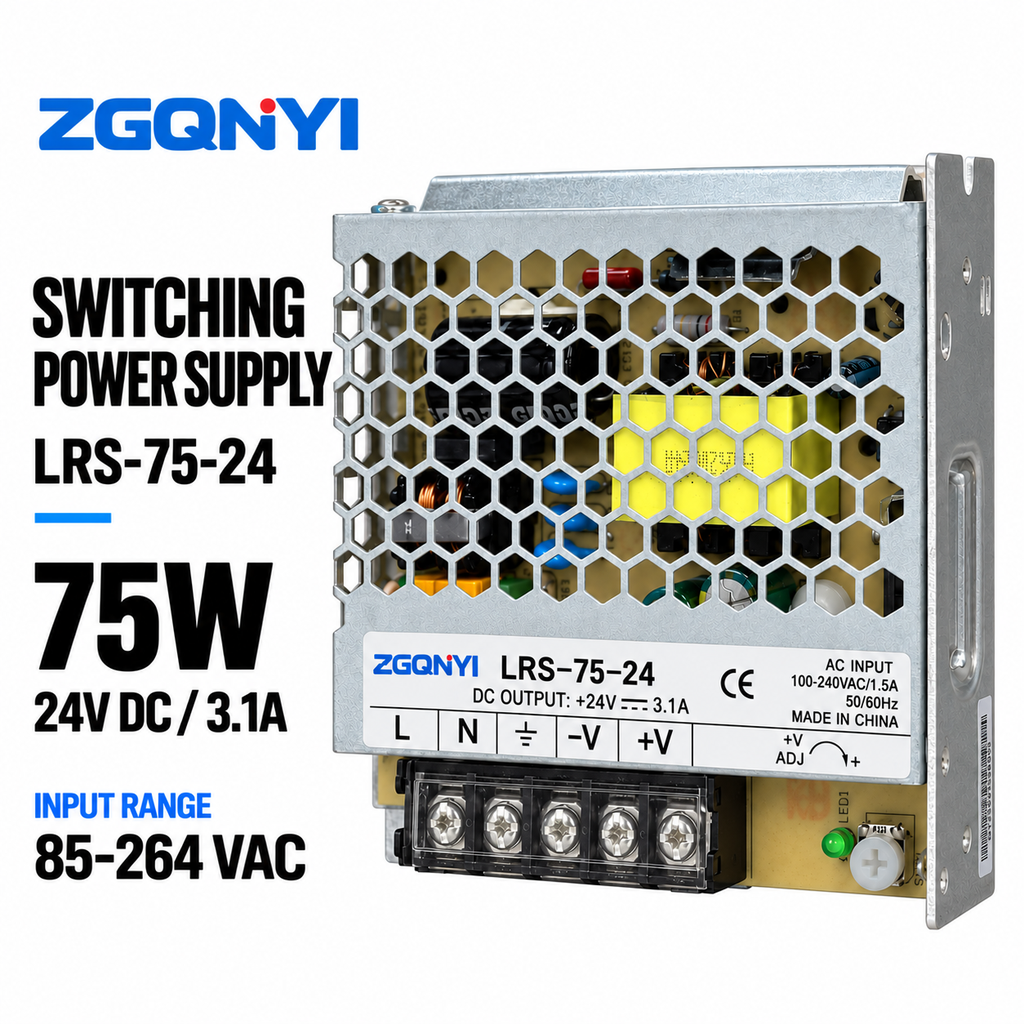
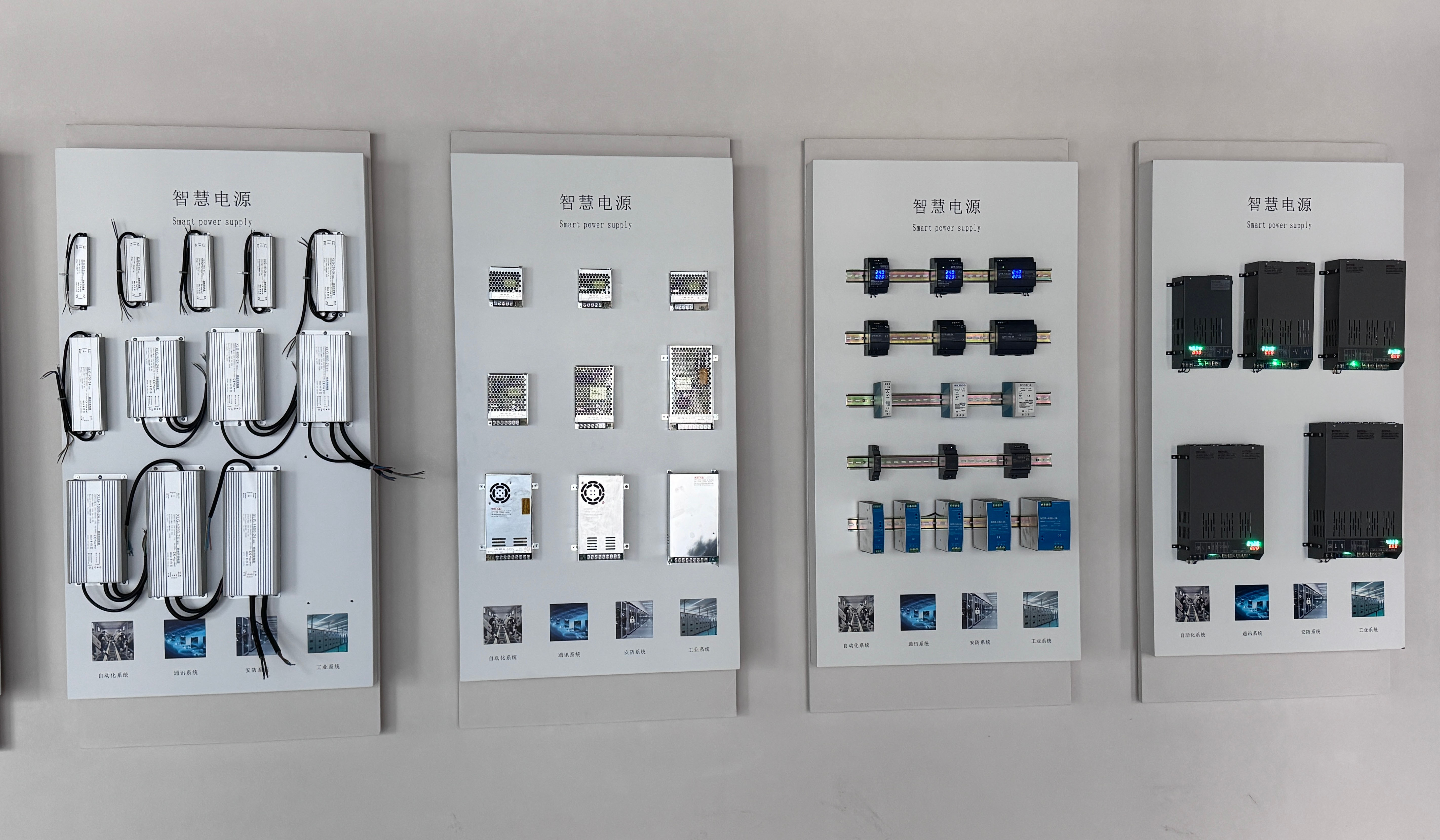
Explore our precision-manufactured enclosed and DIN rail power converters. Fully compliant with international electrical and electromagnetic compatibility standards, engineered for continuous 24/7 industrial loads.
18+
Years Power Supply R&D
10,000 m²
Advanced Production Area
500,000+
Monthly Unit Output
1,000+
Active Standard Form Factors
The Architecture of Industrial Reliability: Sourcing OEM/ODM DIN Rail & Enclosed DC Power Supplies
Modern electrical engineering inside control cabinets, programmable logic controller (PLC) environments, and distributed sensor infrastructures hinges upon the resilience of the direct current (DC) power rail. As automated lines scale down cabinet volume while escalating compute density, power conversion efficiency and thermal management represent the foremost determinants of overall Mean Time Between Failures (MTBF). Specifying power conversion hardware requires an intricate comprehension of power architecture beyond faceplate nominal voltages.
"Semantic Search & Modern Engineering Alignment: In heavy automated manufacturing, an OEM power supply must not merely serve as an energy regulator; it functions as an active isolation safeguard preventing harmonic feedback, high-voltage line transients, and ripple-induced signal jitter from corrupting delicate sensor matrices."
1. Transient Dynamic Handling and Inrush Suppression
Industrial loads rarely manifest as pure resistive circuits. The widespread integration of inductive components, such as solenoid coils, electromechanical contactors, servo brake systems, and brushless DC motors, creates extreme transient current demands during initialization. When selecting or customizing an OEM DIN Rail DC power supply, procuring engineers must evaluate dynamic headroom (peak load capacity). High-tier units provide up to 150% peak current tolerance for multiple seconds without entering overcurrent fold-back protection, mitigating system downtime caused by unprompted bus voltage sags.
2. Electromagnetic Compatibility (EMC) in Crowded Switchboards
Switching power supply modules (SMPS) operate on high-frequency pulse-width modulation (PWM), historically ranging from 65 kHz to upwards of 250 kHz using advanced MOSFET and GaN topological switches. Absent comprehensive electromagnetic screening, high-frequency harmonics migrate across internal DC distribution harnesses, corrupting fieldbus serial buses, analog 4-20mA telemetry, and RTD temperature transmitters. Enterprise-grade OEM units integrate multistage common-mode and differential-mode EMI filtering conformant with EN 55032 Class B radiated and conducted emission boundaries, guaranteeing silence on both upstream mains and secondary distribution loops.
3. Galvanic Isolation, Dielectric Withstand, and Earth Ground Integrity
Industrial factory floors are notorious for floating potentials, high-energy voltage surges originating from large inductive load commutation, and adjacent lightning spikes. Dependable DIN rail DC units mandate dielectric isolation ratings of at least 3,000V AC to 4,000V AC from primary input to secondary output. Ensuring rigorous electrical separation safeguards sensitive instrumentation electronics, human machine interfaces (HMIs), and edge computing nodes from fatal breakdown.
Wenzhou Manufacturing Competence & Production Control
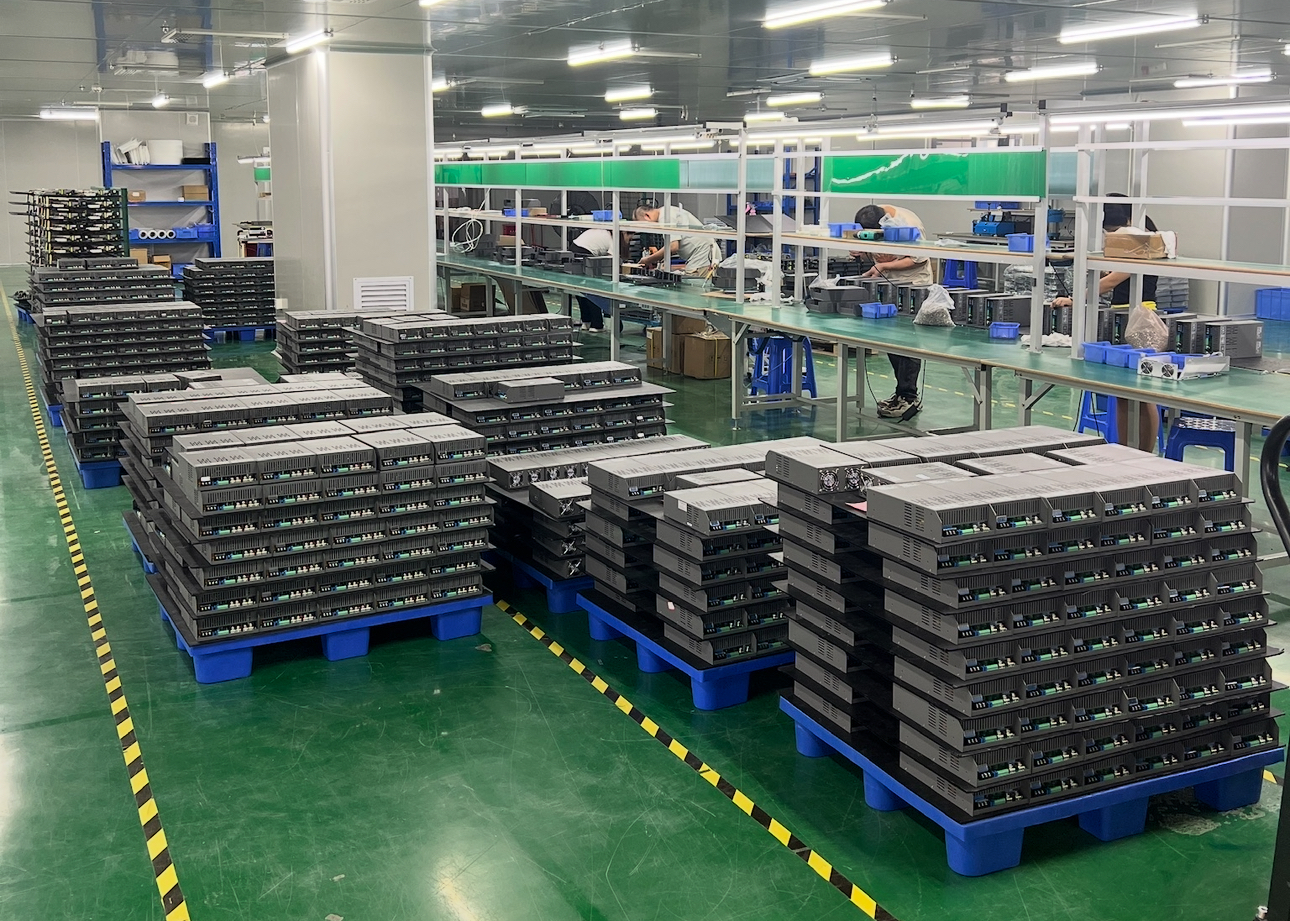
Situated in Beibaixiang Town, Wenzhou—the nucleus of China's electrical industrial manufacturing sector—our manufacturing and R&D infrastructure spans over 10,000 square meters. With 18 solid years of engineering dedicated to high-power SMPS, DIN rail power architectures, adjustable CC/CV systems, and encapsulated power topologies, we manage complete lifecycle traceability.

Supply Chain Cost Efficiency
Direct localization within the Beibaixiang hardware ecosystem provides direct component sourcing advantage, eliminating secondary distributor marks while securing top-tier tier-1 electrolytic capacitors and magnetic cores.
Zero-Defect Quality Gates
Every single power unit passing our manufacturing lines undergoes complete Automated Optical Inspection (AOI), dynamic in-circuit testing, and a rigorous 4-hour full-load thermal burn-in before packaging.
Full Regulatory Documentation
We provide full compliance dossiers for CE (EMC Directive 2014/30/EU and Low Voltage Directive 2014/35/EU), RoHS compliance certificates, detailed thermal derating plots, and MTBF reliability analyses.
Tailored OEM/ODM Conversion Architectures
We recognize that off-the-shelf catalog models occasionally fall short when proprietary dimensions, extreme operational ambient conditions, or unconventional DC bus voltages are mandated. Our R&D engineering wing collaborates directly with tier-1 machine builders and system integrators to tailor dedicated power electronics.
| Engineering Dimension | Standard Specification | OEM/ODM Custom Scope |
|---|---|---|
| Nominal DC Voltages | 5V, 12V, 15V, 24V, 36V, 48V DC | Custom stepped rails (e.g., 28V, 60V, 110V, 220V DC) or variable CC/CV |
| Enclosure Form Factor | Standard TS-35 Rail / Perforated Chassis | Ultra-slim width profile, ruggedized IP67 encapsulation, specialized brackets |
| Telemetry & Control | DC OK Dry Relay Contact, Front Trim Pot | Modbus RS485, I2C, 0-10V analog programming, OLED visual display |
| Ambient Operating Range | -20°C to +60°C (with standard derating) | Extended military/extreme industrial -40°C to +85°C cold-start ready |
| Harmonic Mitigation | Passive Filtering (Low wattage) | Active Power Factor Correction (PFC > 0.98), IEC/EN 61000-3-2 Class A/D |
Future Trends in Industrial Power Supply Procurement
Navigating global supply chain friction requires operational awareness of emerging technical trends shaping the DIN rail and industrial power conversion markets through 2026–2030:
Wide Bandgap Semiconductors (GaN & SiC)
Adoption of Gallium Nitride and Silicon Carbide switches drastically decreases thermal dissipation losses, driving conversion efficiency above 94% while decreasing chassis enclosure footprints by 30-40%.
Edge Predictive Maintenance
Modern DIN rail power modules incorporate continuous lifetime monitoring of internal electrolytic capacitor ESR and thermal metrics, broadcasting status over IO-Link or RS485 before system failure occurs.
Integrated Digital Load Displays
Eliminating auxiliary volt/amp panel meters, next-generation units feature onboard digital LED/OLED readouts, enabling commissioning technicians to observe real-time load draw directly on the DIN rail.
Redundancy & Smart Decoupling
Transition from bulky external Diode OR-ing modules to integrated MOSFET-based active OR-ing cards inside the DIN rail PSU, drastically trimming power waste, voltage drop, and cabinet thermal burdens.
Frequently Asked Questions: Sourcing OEM DIN Rail Power Supplies
What are the key technical parameters required when submitting an OEM/ODM DIN rail power supply inquiry?
To expedite accurate engineering sizing and pricing, buyers should outline: nominal AC input range (universal 85-264V AC, 380V three-phase, or DC input), required DC output voltages and currents, continuous versus peak surge wattages, operational ambient temperatures, target enclosure volume or DIN rail width restrictions (TE units), mechanical mount preference (TS-35/7.5 or TS-35/15), and mandated regional certifications (CE, RoHS, UL, or CB schemes).
Why is Active Power Factor Correction (PFC) crucial for European and North American industrial deployments?
Active PFC forces the input current waveform to emulate and stay in phase with the AC sinusoidal voltage waveform. Under international standard IEC/EN 61000-3-2, electronic electrical equipment exceeding 75W must limit harmonic current distortion. In addition to compliance, Active PFC raises the power factor from ~0.6 to >0.98, reducing overall apparent power consumption (VA), curtailing neutral conductor heating, and preventing spurious breaker trips in facilities operating multiple SMPS banks.
How does ambient temperature derating affect the practical selection of power supply wattage?
Industrial control panels rarely dwell at an ideal 25°C laboratory ambient; internal temperatures routinely hover between 45°C and 60°C due to VFD, motor contactor, and transformer heat generation. Most switching supplies deliver 100% rated capacity up to 45°C or 50°C, above which power output derates linearly (often at 2.5% to 3.5% per degree Celsius). Sizing your hardware with an intentional 20% to 30% operational headroom ensures electrolytic capacitors run far cooler, doubling operating lifespan under the classic Arrhenius thermal degradation rule.
What distinguishes Constant Current (CC) limiting from Hiccup and Foldback overcurrent protections?
When overloaded, a Hiccup-mode supply turns off completely and periodically restarts until the fault is cleared; this works well for standard resistive wiring shorts but fails during high-capacitive motor startups. Constant Current (CC) mode maintains current at a fixed maximum while allowing output voltage to decline proportionally, enabling seamless startup of high inrush industrial motors, battery bank charging, and inductive loads without unexpected total shutdowns.
What is the typical lead time and Minimum Order Quantity (MOQ) for custom private-label OEM manufacturing?
Standard production catalog units support sampling from 1 unit to qualify mechanical fit and circuit compatibility. For private-label programs (custom laser silkscreen marking, unique packaging, and customized factory trim voltages), initial MOQs generally start between 100 and 500 units depending on chassis complexity. Fully customized R&D designs (bespoke PCB layout, custom chassis tooling) require approximately 3 to 4 weeks for initial functional prototypes and 30 to 45 days for pilot production validation.