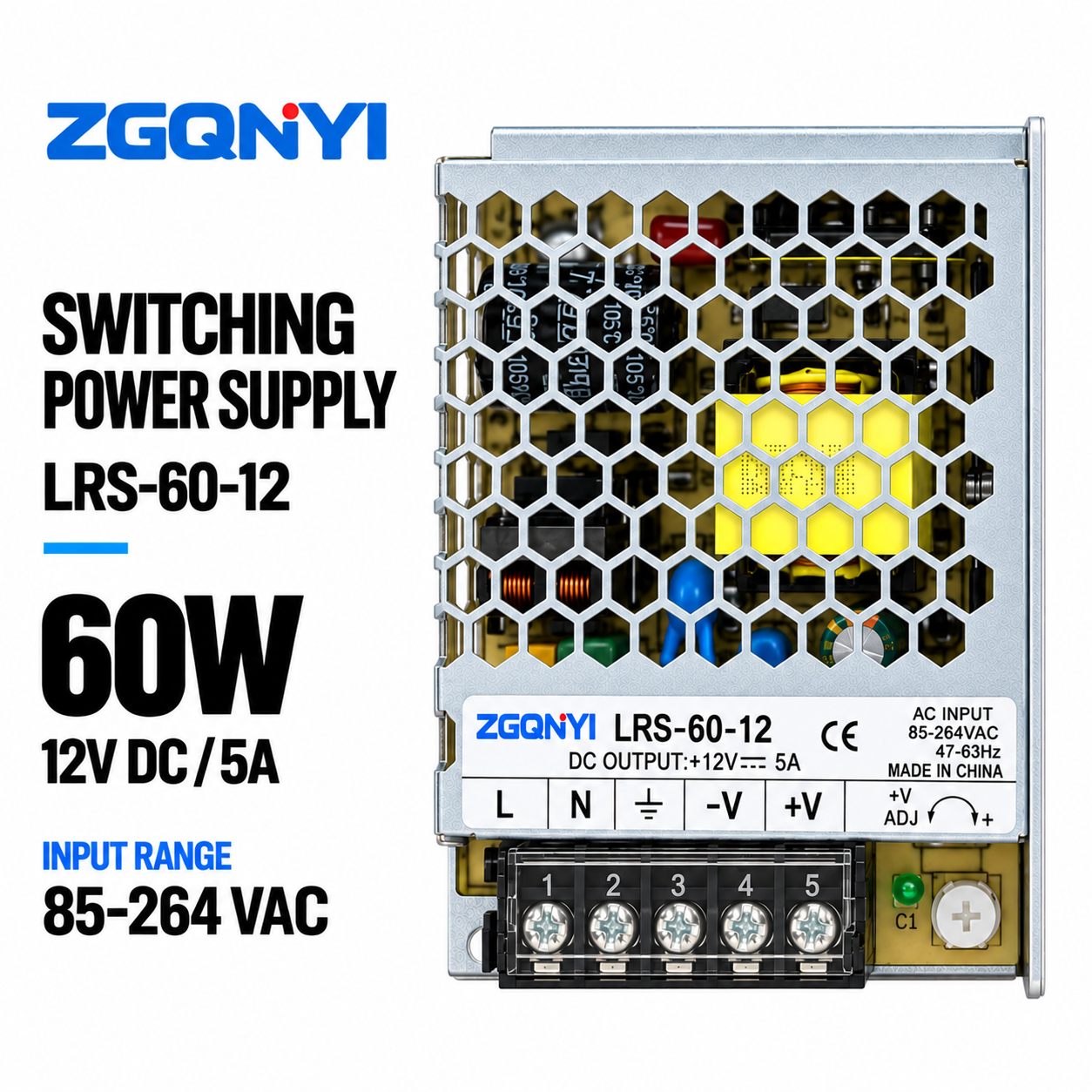
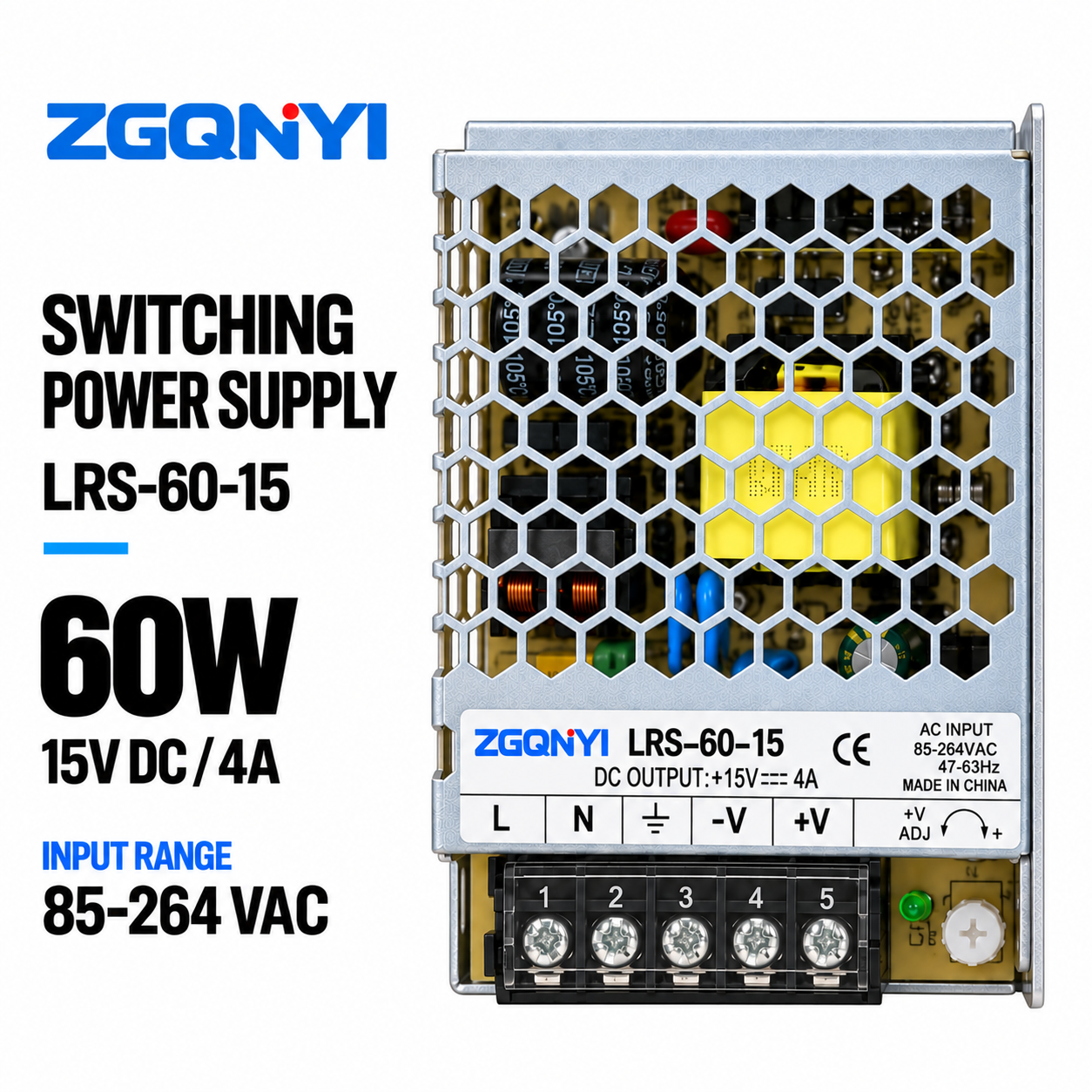
Single Output · 60W
ZGQNYI Industrial 12V Power Supply LRS-60-12 AC to DC Converter Single Output Switching SMPS for Access Control CNC Controllers
12V DC / 5A
85-264VAC In
Low Ripple
Engineered for extreme operating environments, our compact enclosed and DIN rail power solutions deliver continuous peak-load performance, ultra-low ripple voltage, and robust galvanically isolated architectures.
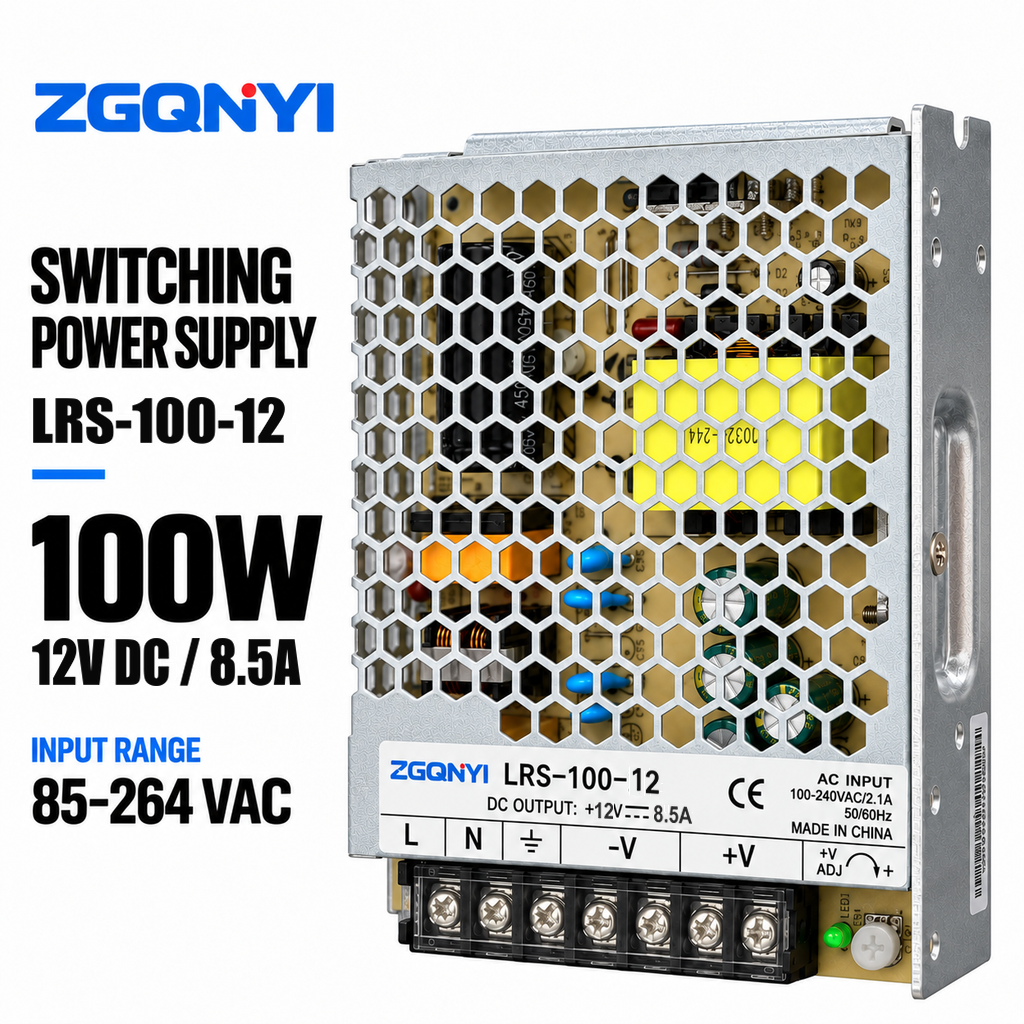
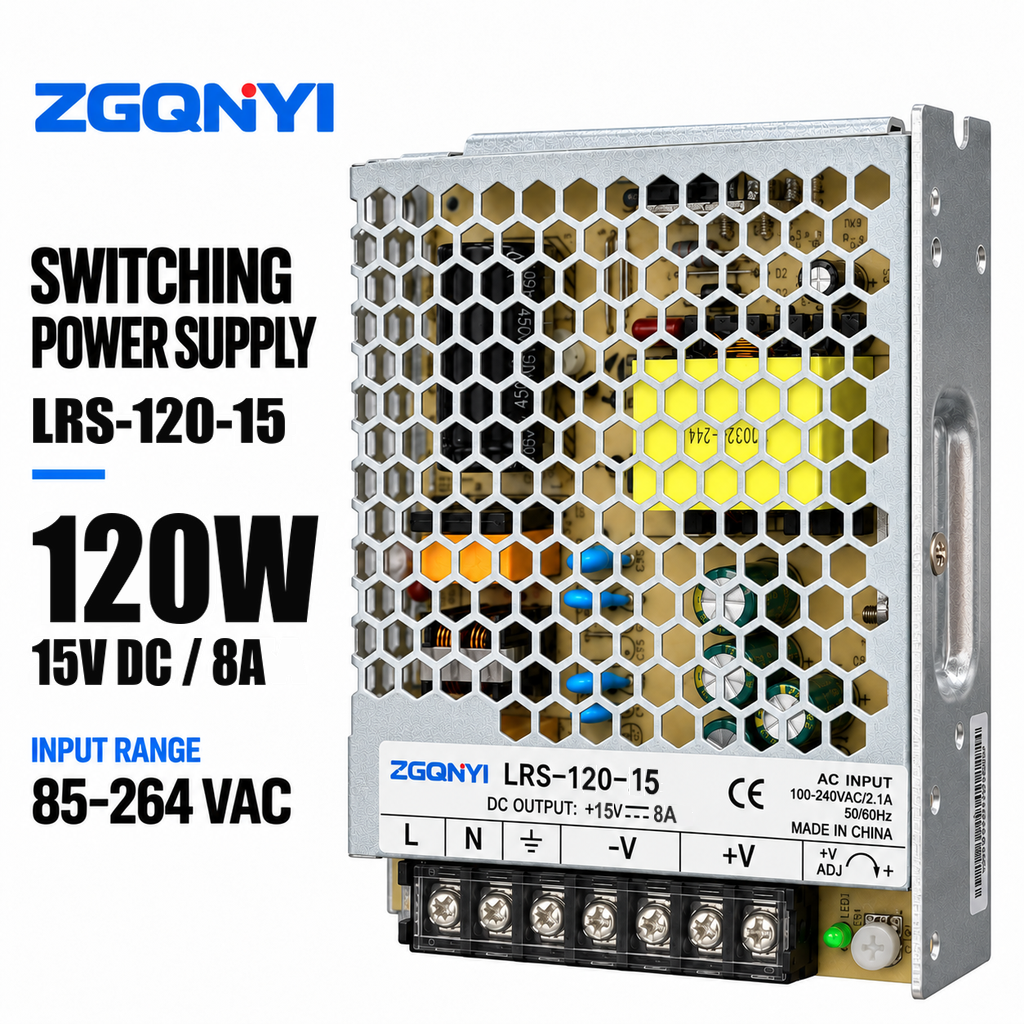
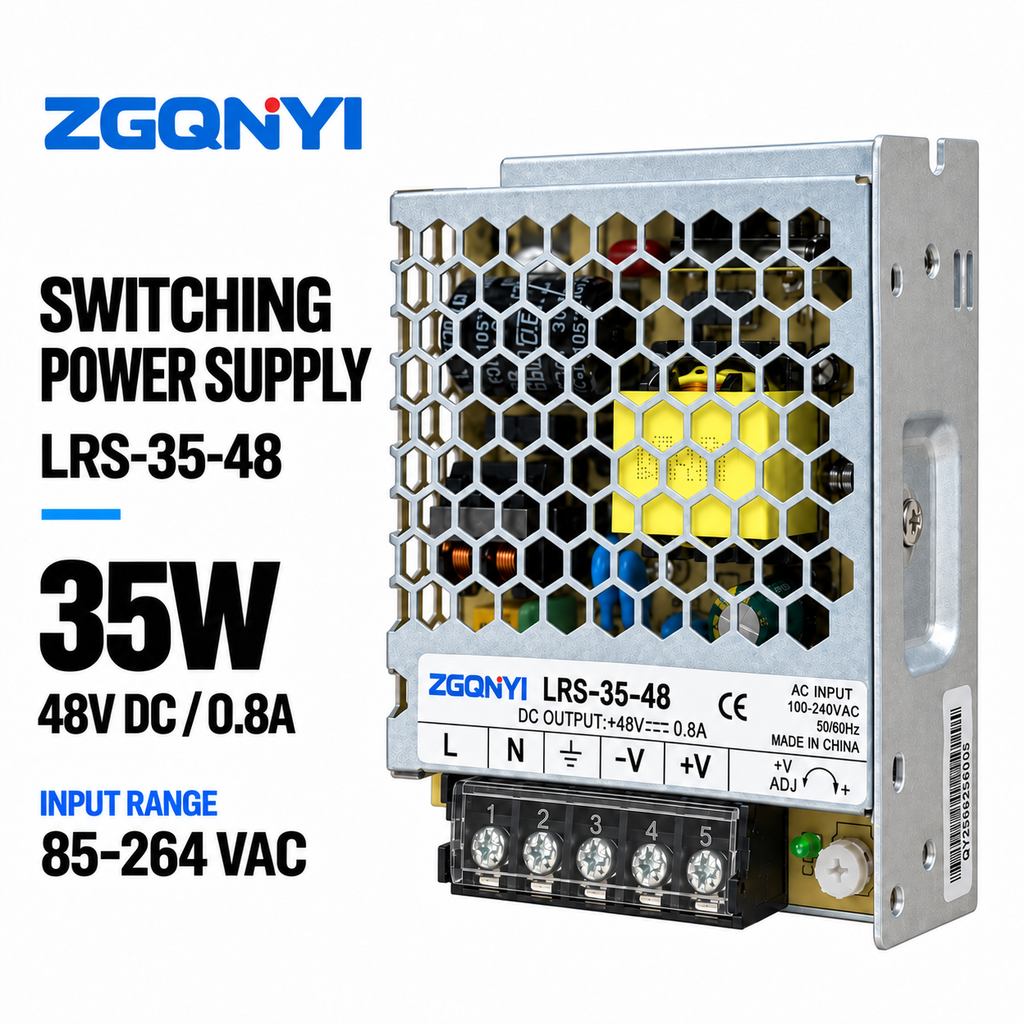
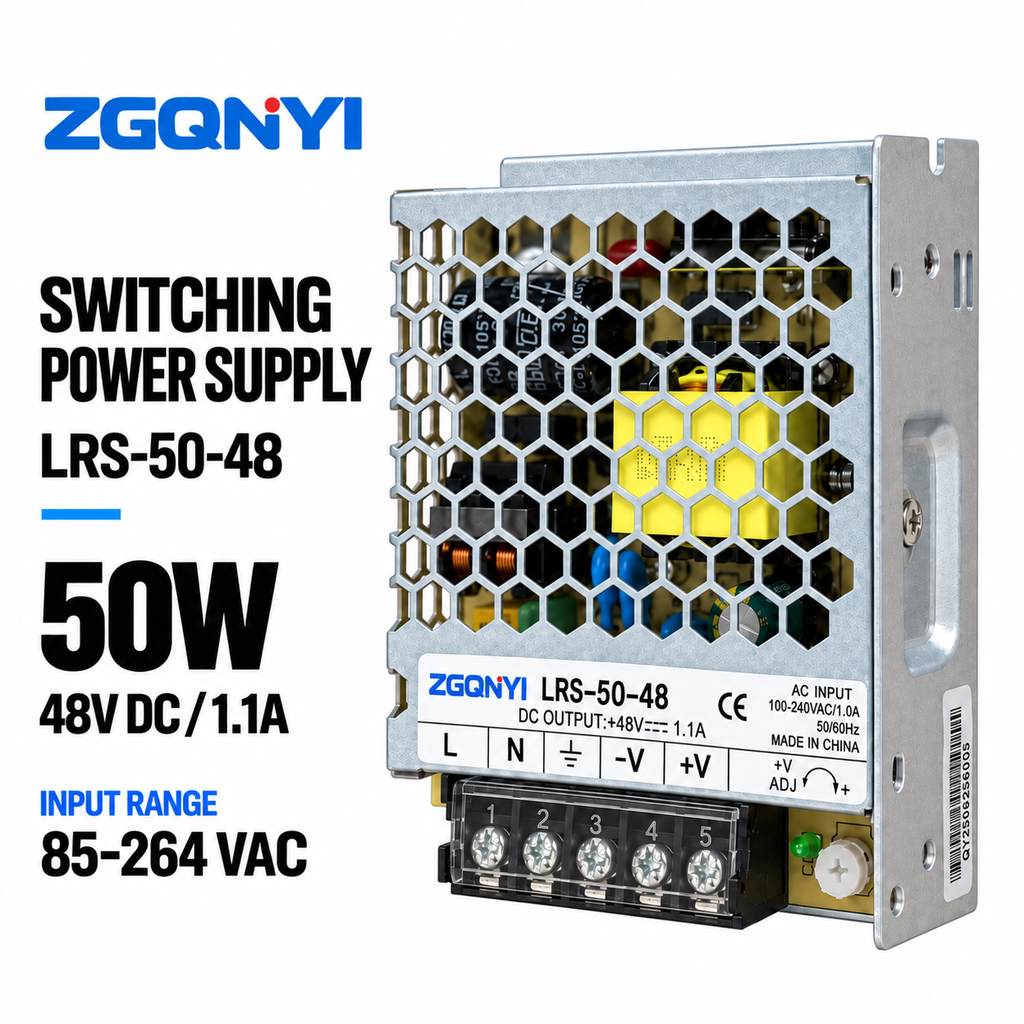
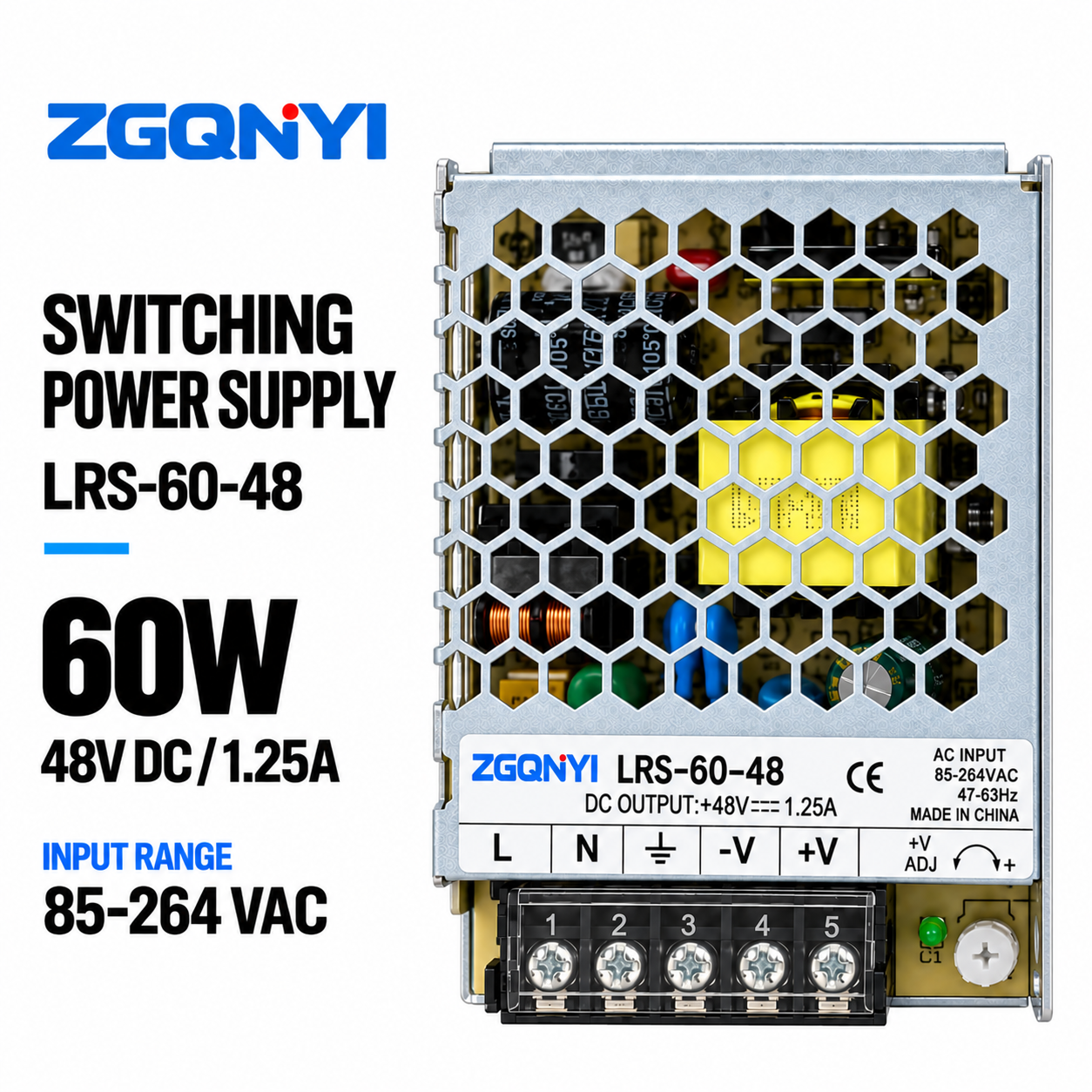
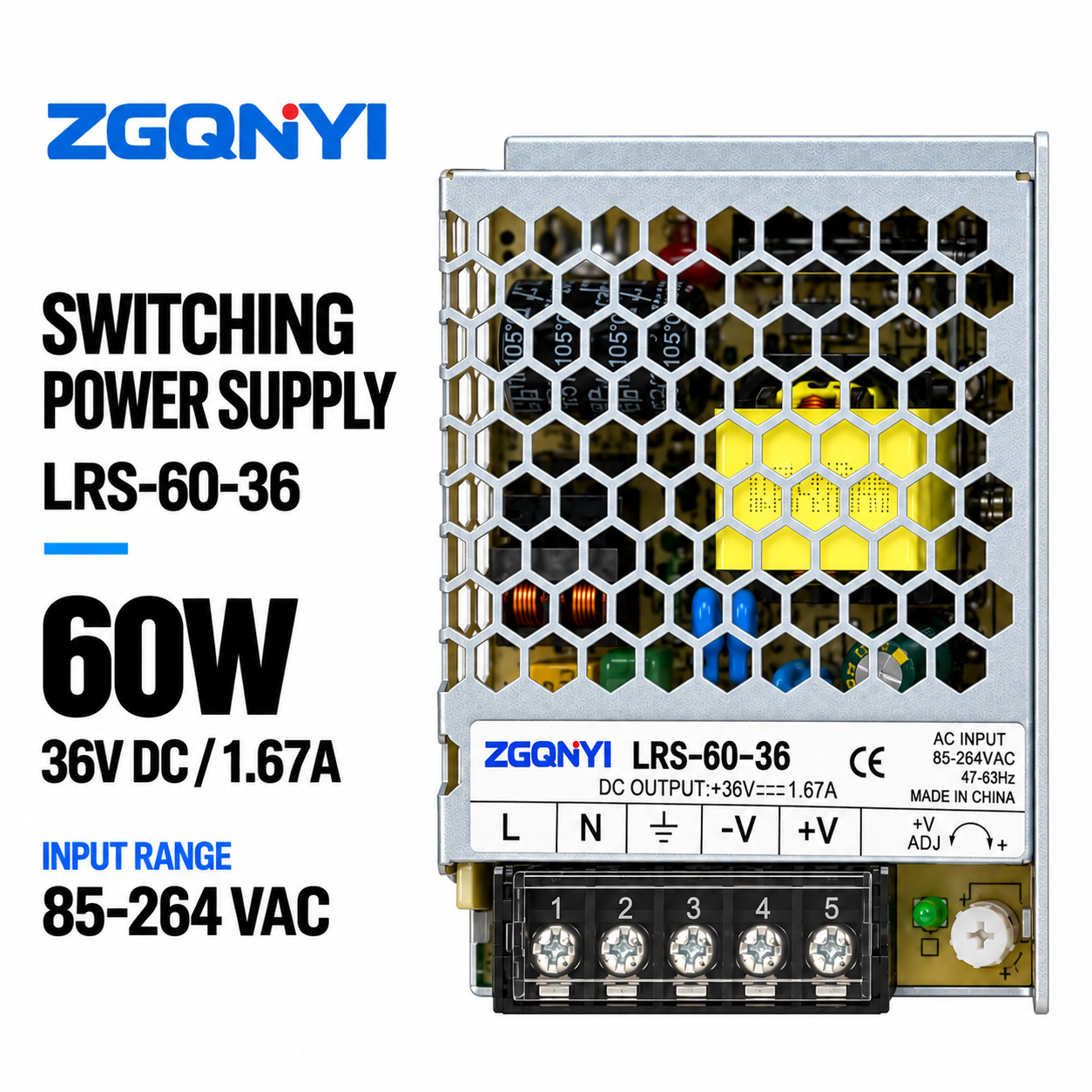
Modern industrial automation architectures demand power supplies that survive harsh electrical environments while occupying minimal cabinet footprint. As Programmable Logic Controllers (PLCs), distributed I/O blocks, variable frequency drives (VFDs), and edge-computing gateways proliferate within control enclosures, thermal density and electromagnetic interference (EMI) emerge as pivotal challenges. Switching mode power supplies (SMPS) mounted on standardized TS-35/7.5 or TS-35/15 DIN rails have transitioned from simple step-down converters into mission-critical power conditioning hubs.
The engineering architecture of modern DIN rail power conversion hinges upon three synchronized stages: active Power Factor Correction (PFC) circuitry operating in continuous conduction mode (CCM), high-frequency isolation transformers powered by zero-voltage switching (ZVS) LLC resonant topologies, and synchronous secondary rectification. By shifting away from hard-switched forward converters, modern OEM power systems routinely attain full-load electrical efficiencies exceeding 93.5% to 95.2%. This dramatic thermal loss reduction minimizes junction temperatures on key switching MOSFETs and secondary Schottky barriers, extending the operational life expectancy of critical electrolytic filtering capacitors in accordance with the Arrhenius thermal rule.
A fundamental requirement for control panel integrators is transient immunity. Power distribution lines across machine shops and metallurgical plants regularly experience line sags, lightning-induced impulses, and switching transients triggered by high-inductance contactors. Top-tier DIN rail power supply manufacturers embed multi-stage metal oxide varistor (MOV) arrestors paired with gas discharge tubes (GDTs) and common-mode choke inductors. This front-end design withstands differential line surges up to 2kV and common-mode line-to-earth surges exceeding 4kV according to IEC/EN 61000-4-5 standards, guaranteeing uninterrupted 24VDC or 48VDC bus rails during volatile grid events.
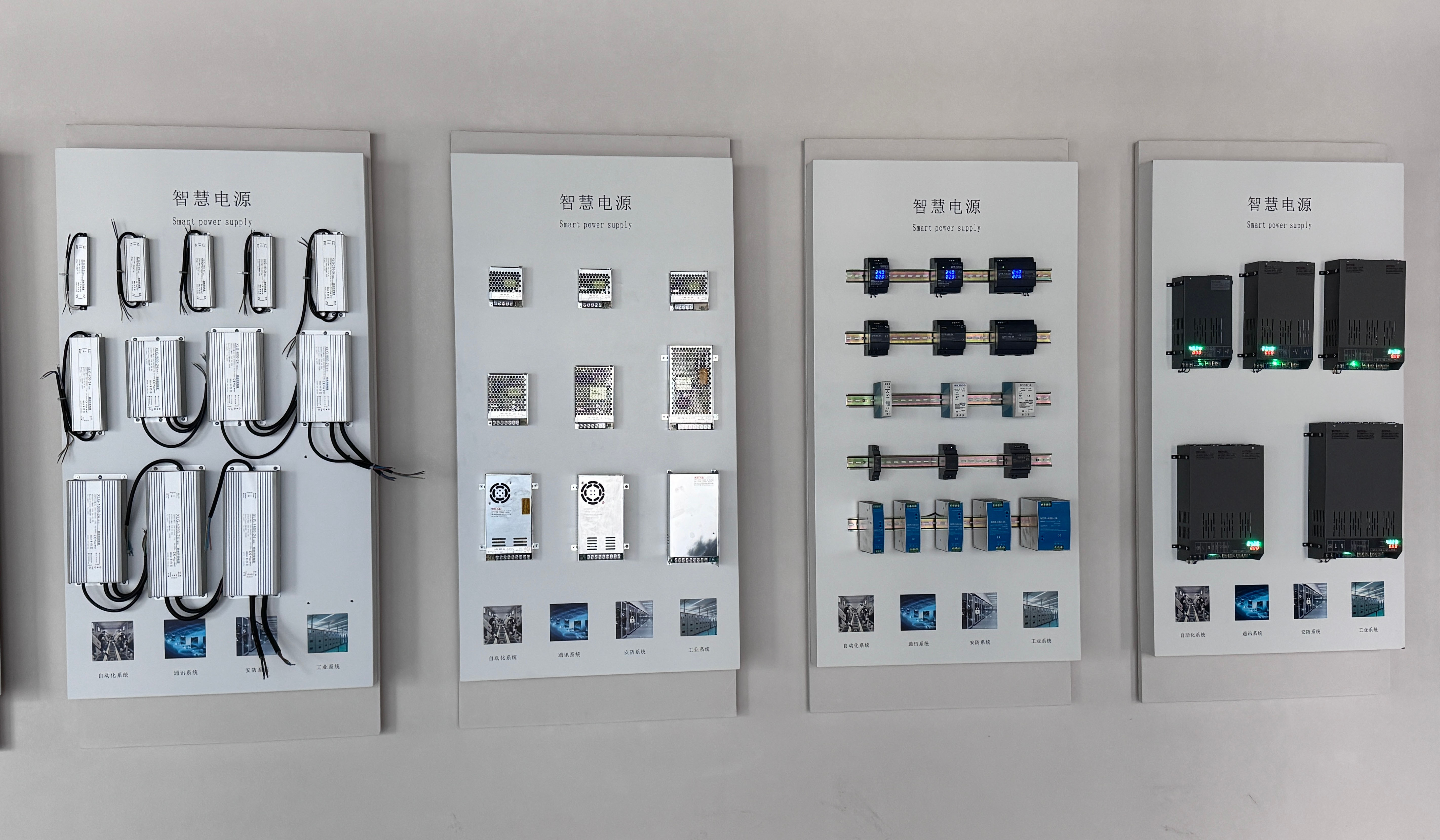
Selecting between low-profile enclosed switching supplies (such as the LRS/S series) and vertical TS-35 rail-mounted chassis (such as NDR, DR, and MDR series) requires careful trade-off analysis across installation geometry, convection airflow, terminal mechanics, and vibration thresholds:
| Engineering Attribute | Enclosed Low-Profile (LRS / S Series) | Industrial DIN Rail (NDR / DR Series) | High-Power Digital SMPS (1kW–18kW) |
|---|---|---|---|
| Mounting Methodology | Internal sub-chassis screw mount (1U profile) | Snap-on TS-35/7.5 or TS-35/15 DIN rail mount | 19" Rack-mount or heavy-duty chassis mount |
| Thermal Dissipation Mode | Chassis conduction + perforated convection | Vertical chimney airflow convection (fanless) | Dual ball-bearing PWM forced-air cooling |
| Vibration & Shock Rating | 5G compliance (10~500Hz, 10 min/cycle) | Heavy industrial grade; shock-proof latching | Ruggedized industrial framework (MIL-STD-810G) |
| DC OK Status Signaling | Visual LED indicator on PCB output line | Relay contact dry contacts (Active DC OK) | Modbus RS485 / CANBus / 0-10V analog telemetry |
| Peak Current Capability | 105% to 135% constant current limiting | Up to 150% dynamic surge for 3–5 seconds | Programmable Constant Current / Constant Voltage |
| Typical End Applications | 3D Printers, CNC Controllers, Signage, LED | PLC Panels, Process Instrumentation, SCADA | Electrolysis, Electroplating, EV Charging, Burn-in |
Procurement managers and supply chain directors across Europe, North America, and the Asia-Pacific region are navigating systemic transformations in power electronics procurement. As industrial ecosystems adopt digital manufacturing paradigms, purchasing criteria have evolved beyond mere unit pricing:
Gallium Nitride (GaN) and Silicon Carbide (SiC) primary switches are replacing legacy silicon super-junction MOSFETs. This migration allows switching frequencies to climb from 65kHz up to 250kHz+, drastically shrinking passive magnetic transformers and filter choke volumes while slashing heat dissipation by 35%.
Control engineers increasingly mandate real-time edge monitoring. Next-generation DIN rail power supplies now incorporate integrated microcontrollers with RS485 Modbus, IO-Link, or Ethernet/IP communication ports to track live load current, internal heat-sink temperatures, and historical ripple spikes for predictive maintenance.
Compliance with European ErP Lot 6, Ecodesign Directive Tier 2, and US DoE Level VI dictates idle power consumption under 0.15W to 0.5W. B2B buyers favor power systems that minimize baseline parasitic energy loss when machinery rests in automated standby modes.
With automated manufacturing expanding in harsh environments—chemical washdown zones, wastewater processing, mining, and marine installations—procurement tenders increasingly require IPC-A-610 Class 3 conformal coating to repel conductive moisture, sulfur, and airborne salt spray.
Procurement calculations now weigh MTBF verification (per MIL-HDBK-217F or Telcordia SR-332) and electrolytic capacitor endurance hours over initial purchase price. A reliable power supply prevents unplanned plant downtime costing upwards of thousands of dollars per minute.
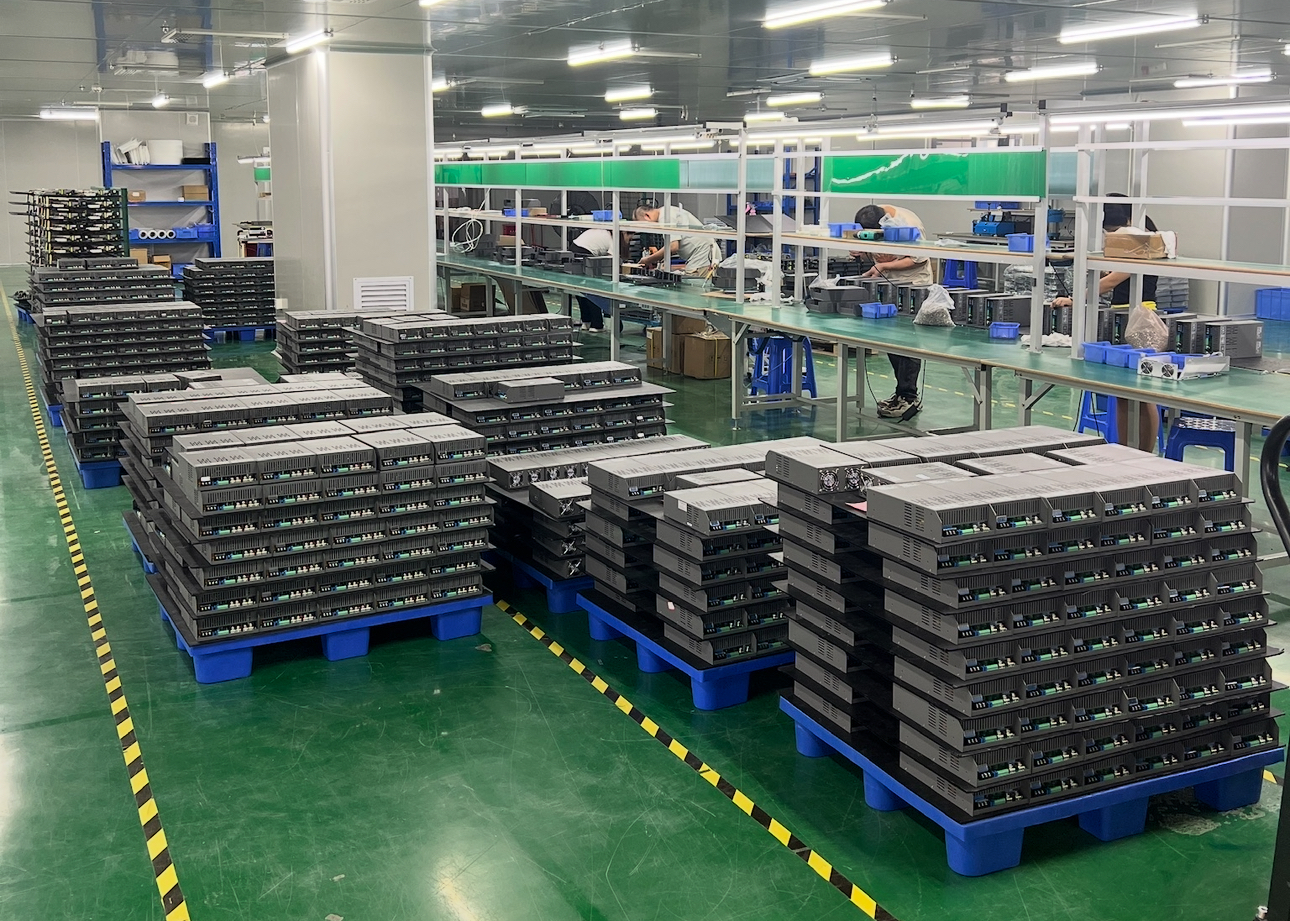
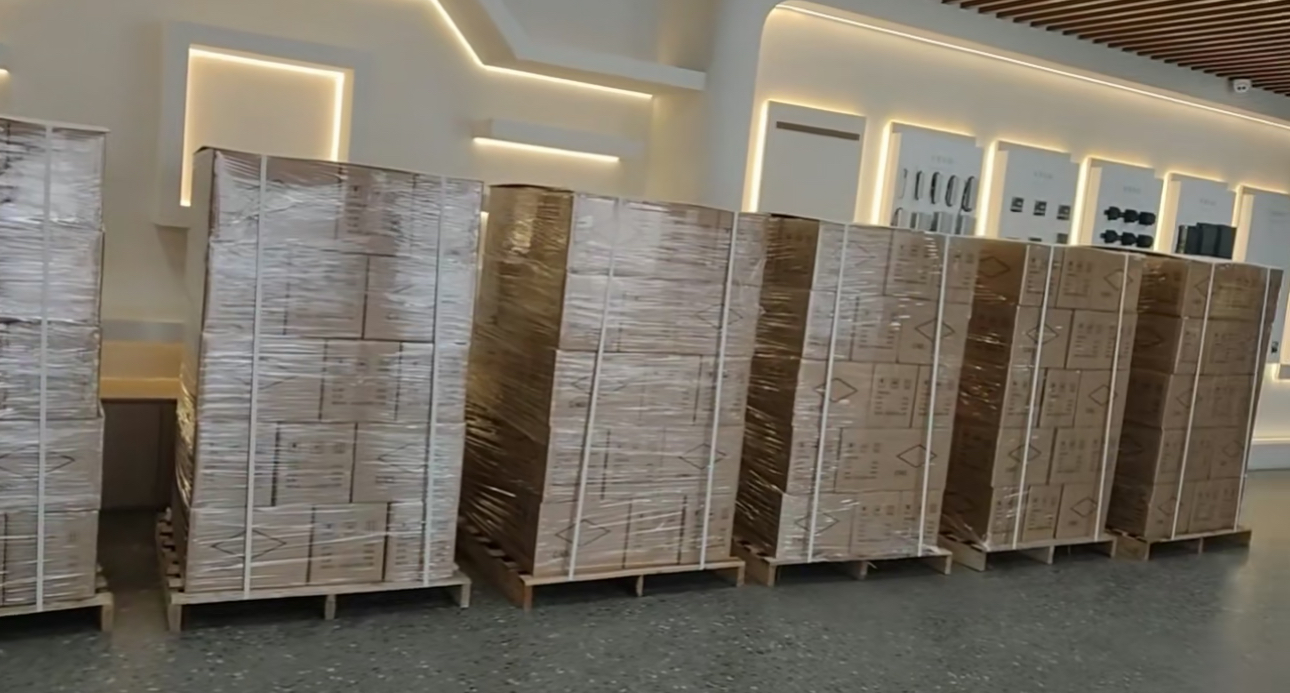
Situated in Yanjiang Industrial Park, Beibaixiang Town, Wenzhou—one of the world's most sophisticated electrical engineering clusters—Wenzhou Nuvros Electric Co., Ltd. represents the cutting edge of switching power supply research, development, and mass manufacturing. With over 18 years of uninterrupted focus on industrial power conversion, our 10,000 square meter integrated manufacturing footprint delivers agile engineering execution for bespoke OEM and ODM specifications.
Tailor-made electrical profiles including non-standard output voltages (such as 36V, 60V, 72V, 110V, or 220VDC), custom current limiting thresholds, specialized terminal barrier blocks, private labeling, laser marking, and customized chassis housings.
Equipped with automated Chroma SMPS test systems, Rohde & Schwarz conducted/radiated EMI receivers, ESD discharge simulators (up to ±15kV air discharge), lightning surge testers (up to 6kV), and environmental vibration test beds.
Seamless platform migration across low-profile LRS series (35W–500W), TS-35 DIN rail units (15W–480W), IP67 outdoor waterproof supplies (60W–500W), and programmable high-power DC systems (1kW–18kW) for electroplating and heavy electrolysis.
Clear, authoritative answers compiled by our senior power application engineers to resolve critical electrical and commercial inquiries encountered during equipment qualification:
Eliminate middleman markups, reduce project development cycle times, and secure direct technical access to our senior power hardware engineering staff. Whether you require standard DIN rail inventory for electrical wholesale distribution or proprietary custom SMPS development for next-generation automated machinery, Wenzhou Nuvros Electric delivers proven factory direct reliability.