OEM / ODM Wenzhou, Zhejiang, China [email protected]
English Avg. response ≤ 1h Quick Contact
Global B2B Supply & Engineering Whitepaper

Top 10 Regulated DC Power Supply Supplier & Exporter

Benchmarking High-Efficiency AC/DC SMPS Architecture, Factory Direct OEM Integration, and High-Reliability Industrial Power Conversion

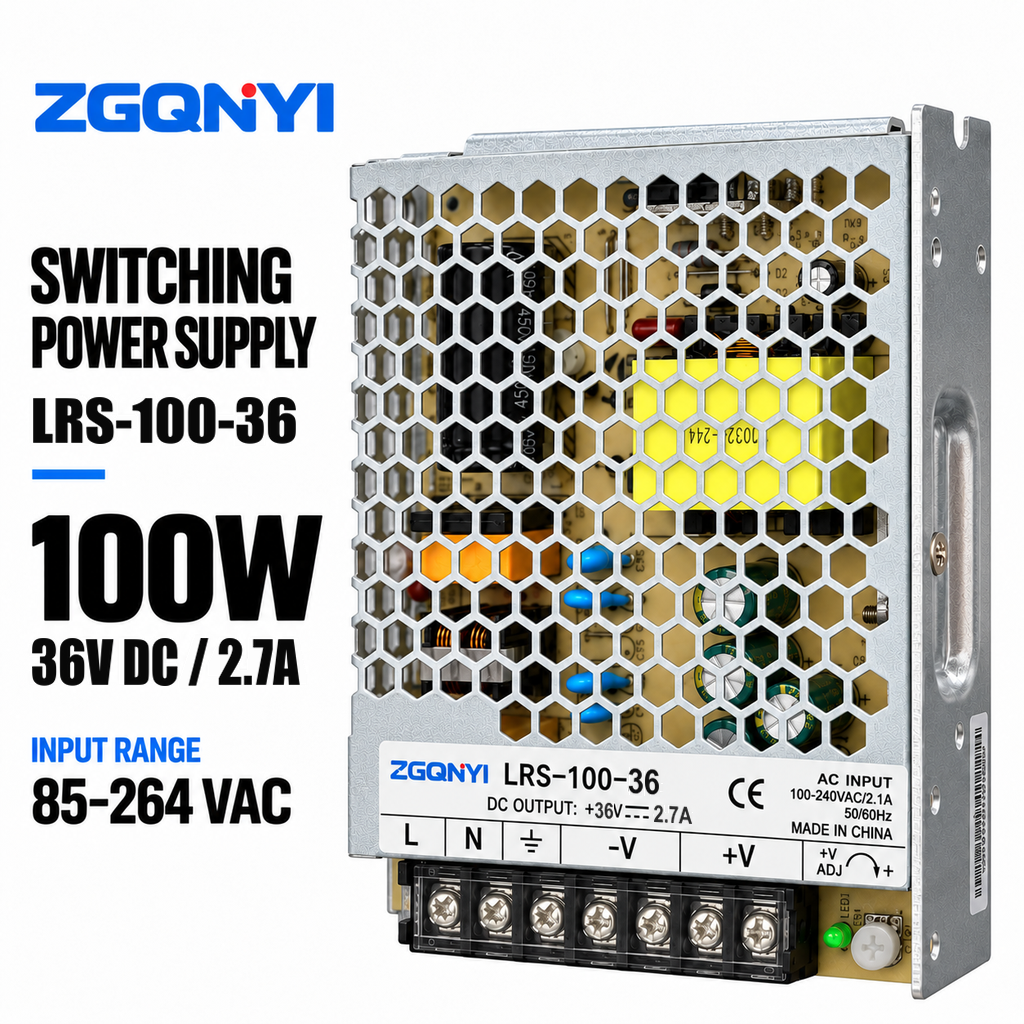
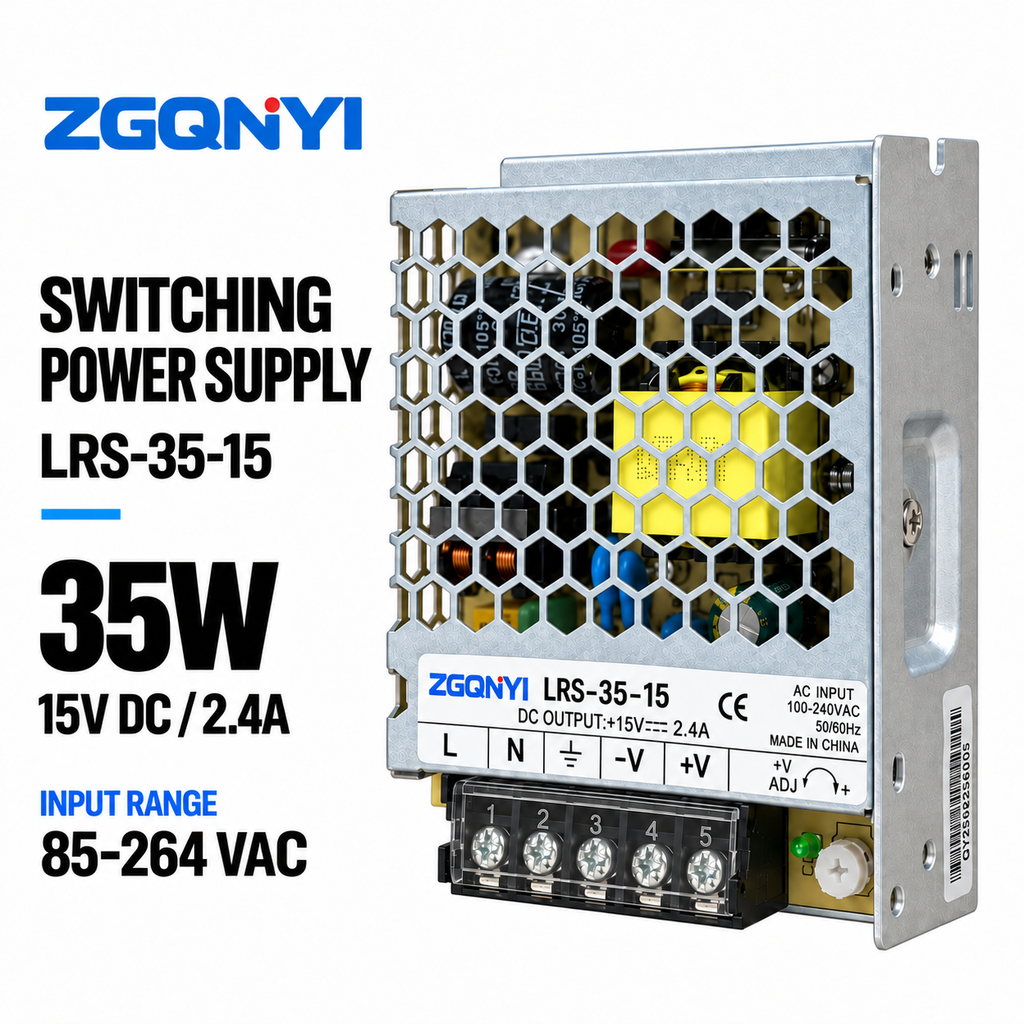
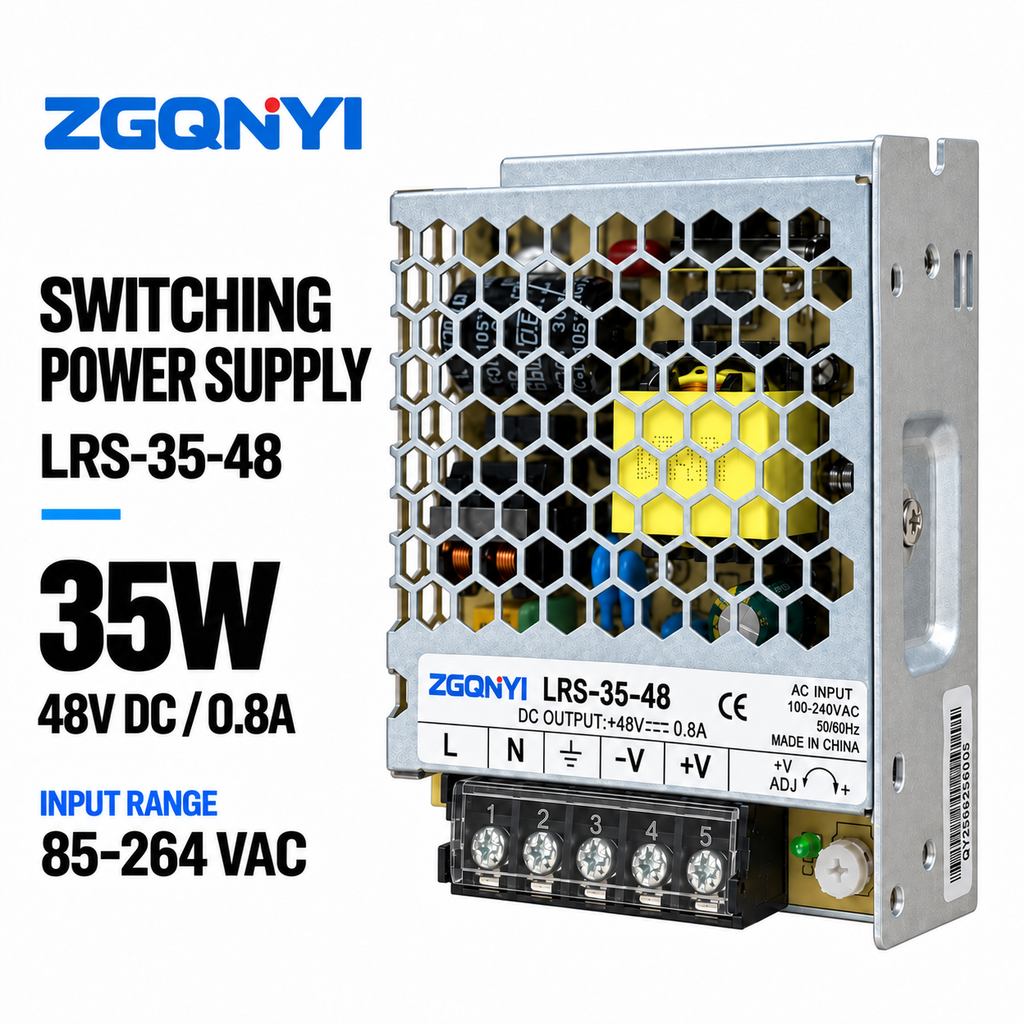
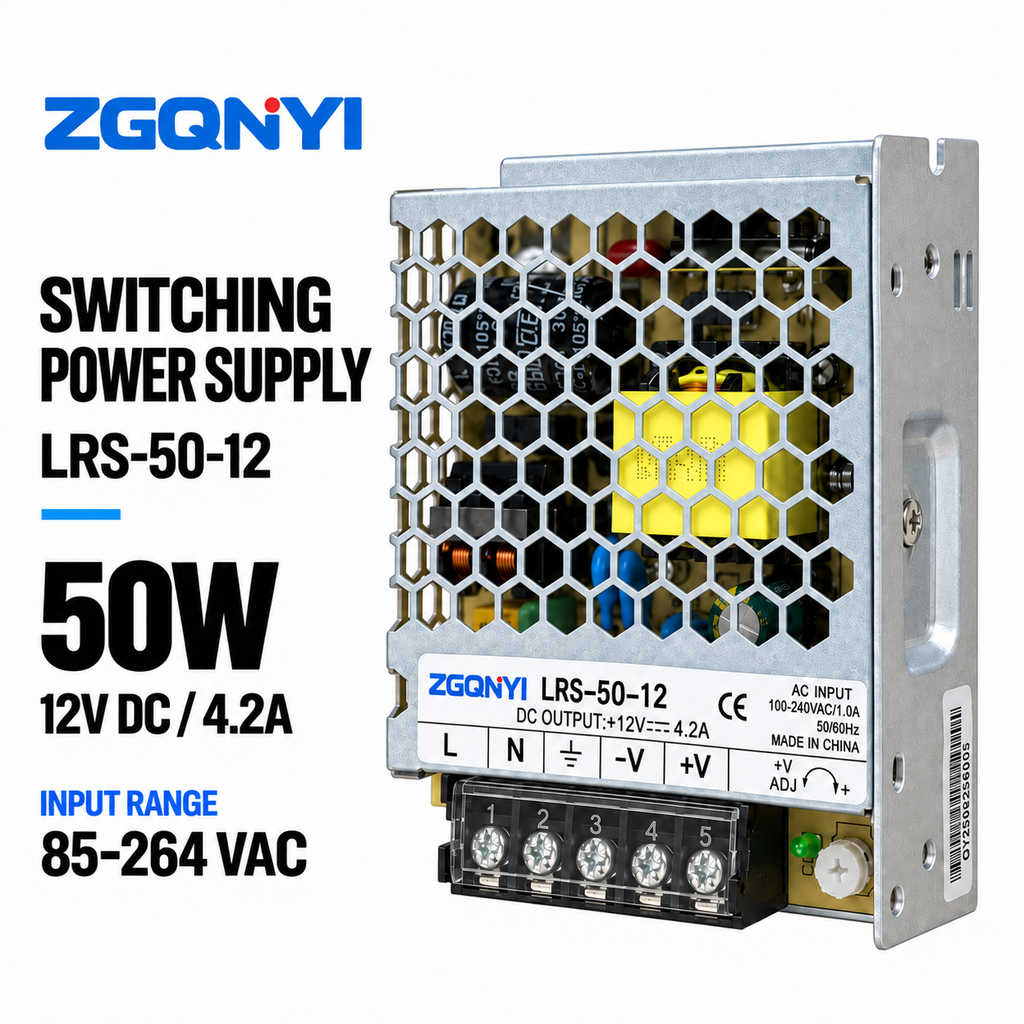
Standard Lineup & Industrial Enclosed PSU

Precision Regulated DC Switching Power Supplies

Engineered for high-density industrial control cabinets, edge vision equipment, building automation, and dynamic LED lighting infrastructure with stringent low-ripple voltage regulation.
18+
Years Engineering Experience
500,000+
Monthly Manufacturing Capacity
1,000+
Active Standard SMPS SKUs
≤ 1 Hour
Engineering In-Depth Response
Engineering Whitepaper Analysis

Selecting Regulated DC Power Supplies: Linear vs. Switching Topology

In high-reliability industrial automation, matching supply topology to operating dynamics directly dictates operating thermal efficiency, harmonic rejection, and operational longevity.

Switching Regulated SMPS (AC/DC)

Utilizes high-frequency Pulse Width Modulation (PWM) and resonant LLC topologies to achieve thermal conversion efficiencies from 88% to 94%. Minimizes chassis footprint, features a universal 85–264VAC input stage, and dissipates nominal heat, making it the industry benchmark for standard control cabinetry.

Linear Regulated Power Architecture

Operates series-pass active semiconductor transistors in their linear region. While achieving near-zero EMI and microvolt-level ripple (sub-1mV RMS), linear supplies suffer poor electrical conversion efficiency (30% to 50%) and require oversized copper transformers, restricting them to audio lab analysis and RF instrumentation.

Programmable CC/CV High-Power Arrays

Combines active digital signal processors (DSP) with synchronous rectification and active PFC circuits (>0.98). Allows dynamic loop transition between Constant Voltage (CV) and Constant Current (CC) mode for electroplating, water electrolysis, battery formation, and variable-load industrial DC drives up to 18kW.

Evaluation Parameter Standard Enclosed SMPS (e.g. LRS) Industrial DIN-Rail (NDR/MDR) High-Power Programmable (1kW–18kW) Laboratory Linear DC Bench
Typical Conversion Efficiency 86% – 91% 88% – 93% 92% – 95.5% (Active PFC) 35% – 52%
Ripple & Noise (P-P) < 100mV – 150mV < 80mV – 120mV < 0.5% RMS Full Scale < 1mV – 3mV RMS
Thermal Management Natural Convection / Perforated Free-air convection (Vertical) Thermostatically Controlled Fan Massive Extruded Heat Sinks
Transient Recovery Time < 500 μs (50% Step Load) < 300 μs < 1 ms (Programmable Ramp) < 50 μs
Input Voltage Tolerance 85–264 VAC Universal 90–264 VAC / 127–370 VDC 180–264 VAC / 3-Phase 380 VAC Narrow Target (±10% Nominal)
Technology Roadmaps & Procurement Forecast

Emerging Trends Reshaping the DC Power Supply Industry

Strategic purchasing managers and system integrators must align their supply chains with these structural advances transforming industrial power electronics through 2030.

1. Wide Bandgap Semiconductors (GaN & SiC)

Gallium Nitride (GaN) and Silicon Carbide (SiC) switches replace conventional silicon MOSFETs. Slicing reverse recovery losses by up to 80% enables switching frequencies past 250kHz, allowing filter inductors and bulk electrolytic capacitors to shrink by over 45% while pushing conversion efficiencies beyond 95%.

2. Digital Telemetry via RS485 & CANopen

Modern automated factories reject "blind" power units. Next-generation regulated DC power supplies integrate built-in microcontrollers running MODBUS-RTU over RS485 or CAN bus, delivering real-time telemetry of rail voltage, continuous current, thermal load, and lifetime capacitor wear indices directly to the plant SCADA.

3. Mandatory Active PFC & Grid Compliance

International harmonics mandates (IEC/EN 61000-3-2 Class D) make Active Power Factor Correction mandatory for power ratings above 75W. Modern power supplies hold an input PF above 0.98, lowering upstream transformer heating, reducing phase distortion, and avoiding reactive tariff penalties for global enterprise deployments.

Wenzhou Nuvros Electric Co., Ltd.

Direct Manufacturer Advantages for High-Volume OEM/ODM Programs

Based in Yanjiang Industrial Park, Beibaixiang Town, Wenzhou—the nucleus of China's electrical engineering and precision component hub—our manufacturing operations combine 18 years of specialized power conversion R&D with vertical mass production capability.
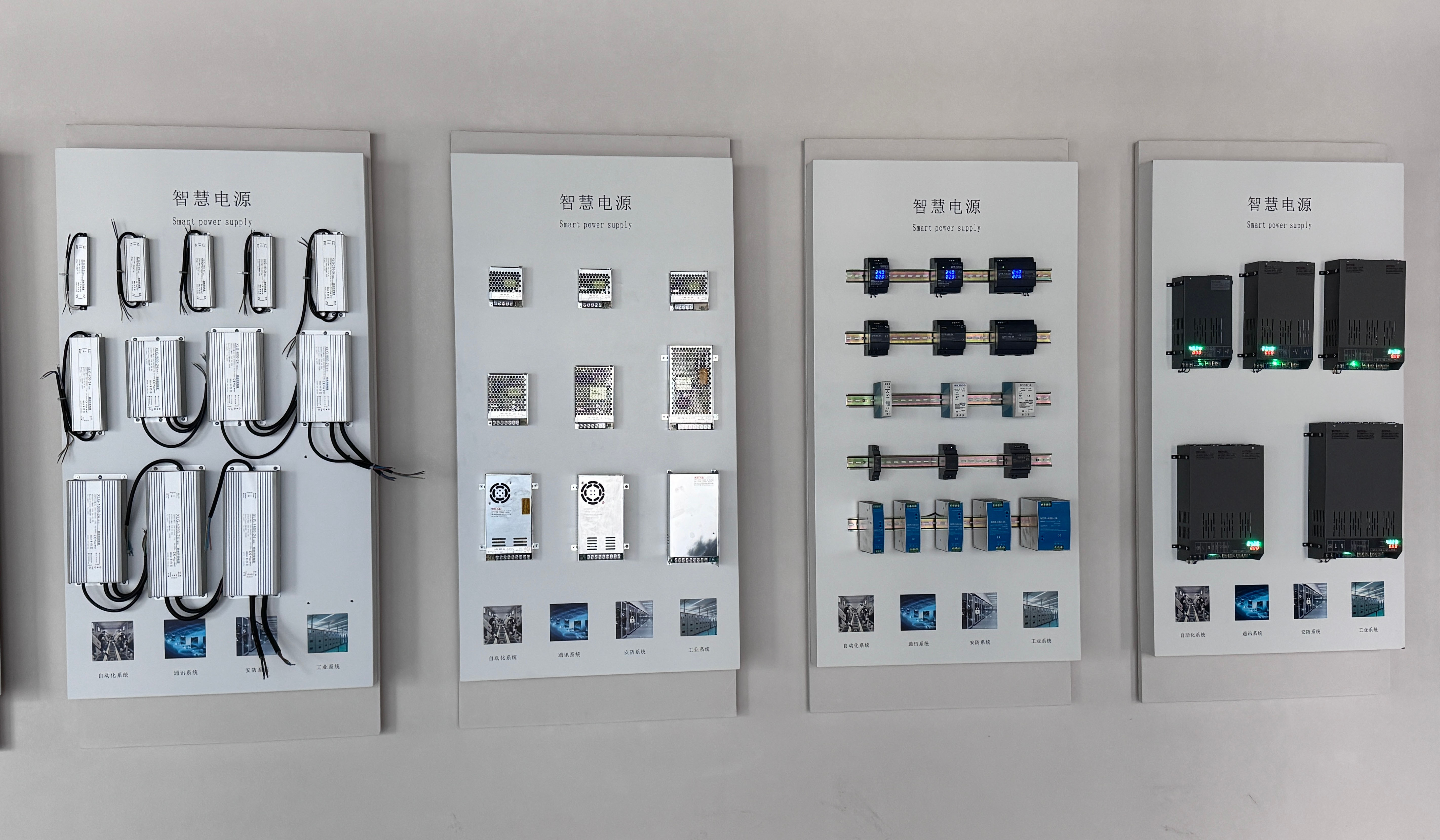
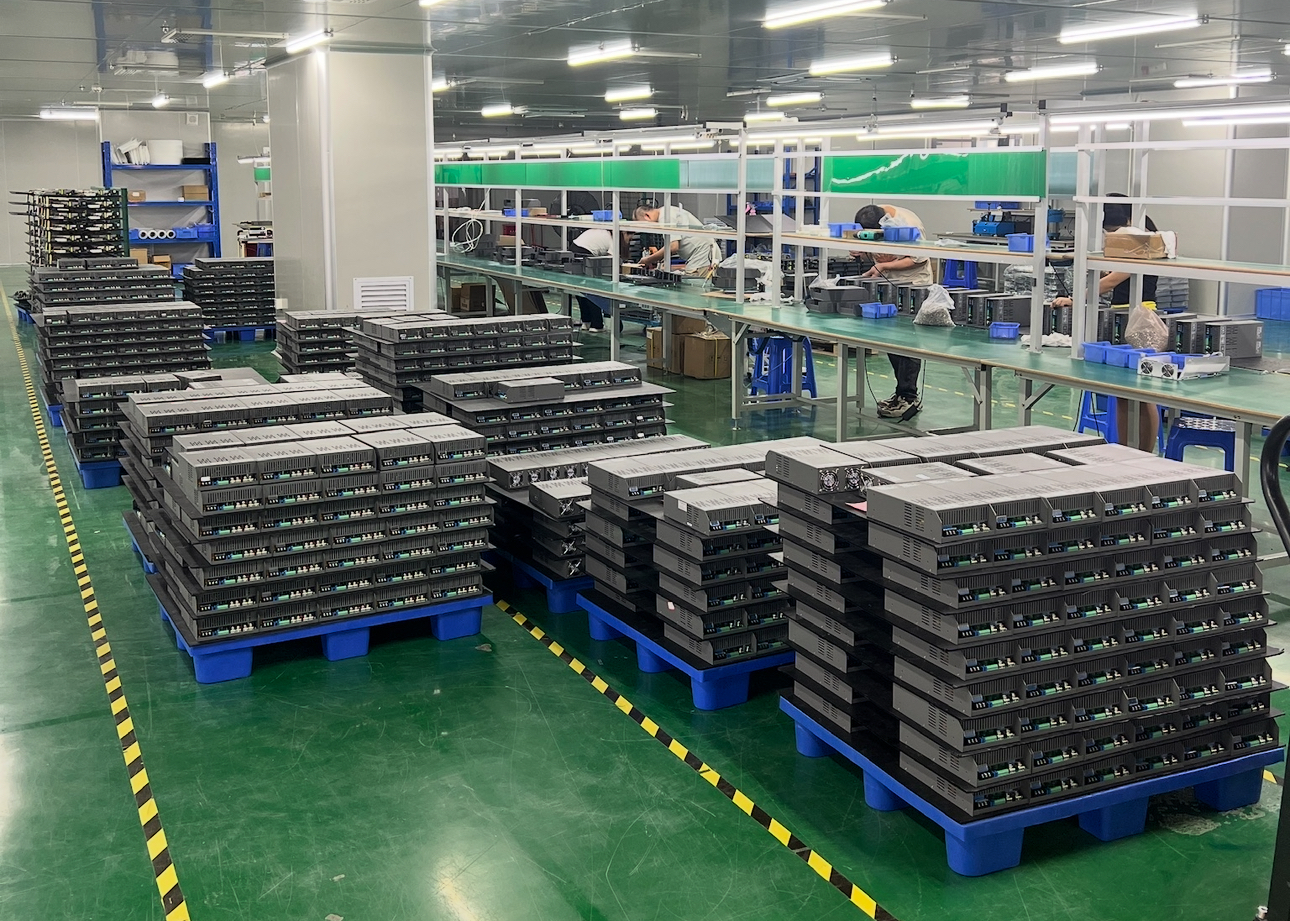
10,000 m² Advanced Manufacturing & Testing Facility Fully integrated automated high-speed SMT lines, automated optical inspection (AOI), dual-wave soldering machines, and 100% full-load thermal burn-in chambers ensure rock-solid production quality.
Exhaustive Testing & Certified International Compliance Standard and customized models carry verified CE (EMC/LVD) and RoHS compliance, supported by in-house surge immunity testing (IEC 61000-4-5), EFT burst testing, and vibration survival benchmarking.
Flexible Custom Engineering & Flexible MOQs From bespoke DC output voltages (e.g., custom 13.8V, 28V, 54V, 110V rails) and variable current-limit profiles to private labeling, custom metalwork, and tailored conformal coatings for harsh environments.
Procurement & Engineering FAQ

Frequently Asked Questions on Sourcing Regulated DC Power Supplies

Essential technical clarifications addressing topology selection, thermal derating, OEM specifications, and international export certifications.

How should we size a regulated DC power supply for dynamic and inductive motor loads?
For pure resistive loads (such as LED arrays or heating elements), engineering an overhead headroom of 20% to 25% above steady-state consumption is sufficient. However, for inductive loads (stepper motors, DC solenoids, servo actuators, capacitive DC links), initial start-up inrush current can reach 200% to 400% of nominal rating. We recommend selecting a power supply with peak-load handling capacity (e.g., 150% peak margin for 3 seconds) or sizing continuous wattage to handle peak operating transients without entering hiccup protection mode.
What is the technical significance of active power factor correction (PFC) in SMPS?
Active Power Factor Correction aligns input AC voltage and AC current waveforms, increasing the overall Power Factor (PF) from ~0.6 (typical in raw capacitor input rectifiers) to >0.95–0.98. This significantly reduces total harmonic distortion (THD), prevents neutral conductor overheating in 3-phase industrial grids, minimizes reactive power waste, and complies with international standards such as IEC/EN 61000-3-2.
What environmental thermal derating factors must be applied inside sealed industrial enclosures?
Enclosed switching power supplies are typically rated at an ambient temperature of 40°C to 50°C under free-air convection. Operating units inside unventilated IP65/IP66 electrical cabinets requires applying the manufacturer's derating curve. Typically, output capacity decreases by 2% to 2.5% per degree Celsius above 50°C, reaching 50% rated output at 70°C. Sizing up wattage ratings prevents internal thermal shutdown and doubles the working life of electrolytic filter capacitors (Arrhenius' Rule: a 10°C drop doubles capacitor life).
What customization services (OEM/ODM) are offered for enterprise distributors?
We provide full-scope customization covering: (1) Output voltage calibration outside standard 12V/24V/48V brackets; (2) Tailored dynamic constant-current limits for battery charging and electrolysis tanks; (3) Conformal coating (silicone or polyurethane) for harsh moisture, salt-spray, or chemical atmospheres; (4) Custom metal chassis stamped with customer branding, specific terminal block pitches, and private labeling; (5) Integration of digital telemetry such as RS485 MODBUS communication.
What testing protocols are executed prior to international export?
Every production batch undergoes structured multi-stage quality assurance: 100% In-Circuit Testing (ICT), Automated Optical Inspection (AOI) of solder joints, High-Pot Insulation Breakdown Testing (up to 3.0kVAC input-to-output), and mandatory full-load (100%) elevated-temperature dynamic burn-in testing. Statistical verification guarantees an out-of-the-box defective rate below 0.05%.

Accelerate Your Power Supply Program with Direct Factory Engineering

Looking for competitive volume pricing, custom DC output voltages, or a qualified OEM partner for industrial power supplies? Reach out to our technical team for matched datasheets, validation samples, and rapid quotation response.