Engineered Constant Voltage Power Supplies
Precision-regulated switching power supplies (SMPS) designed for high duty cycles, compact industrial enclosures, ultra-low ripple voltage, and universal international AC inputs.
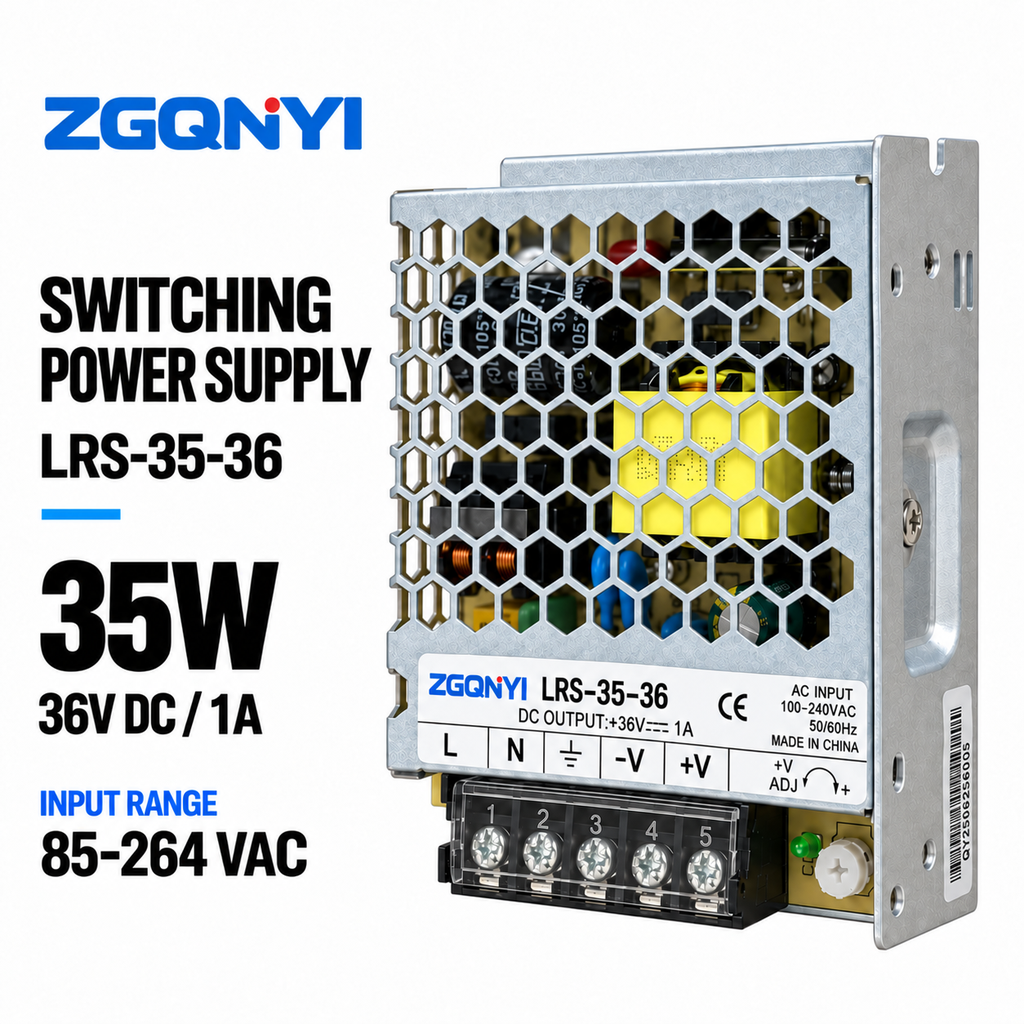
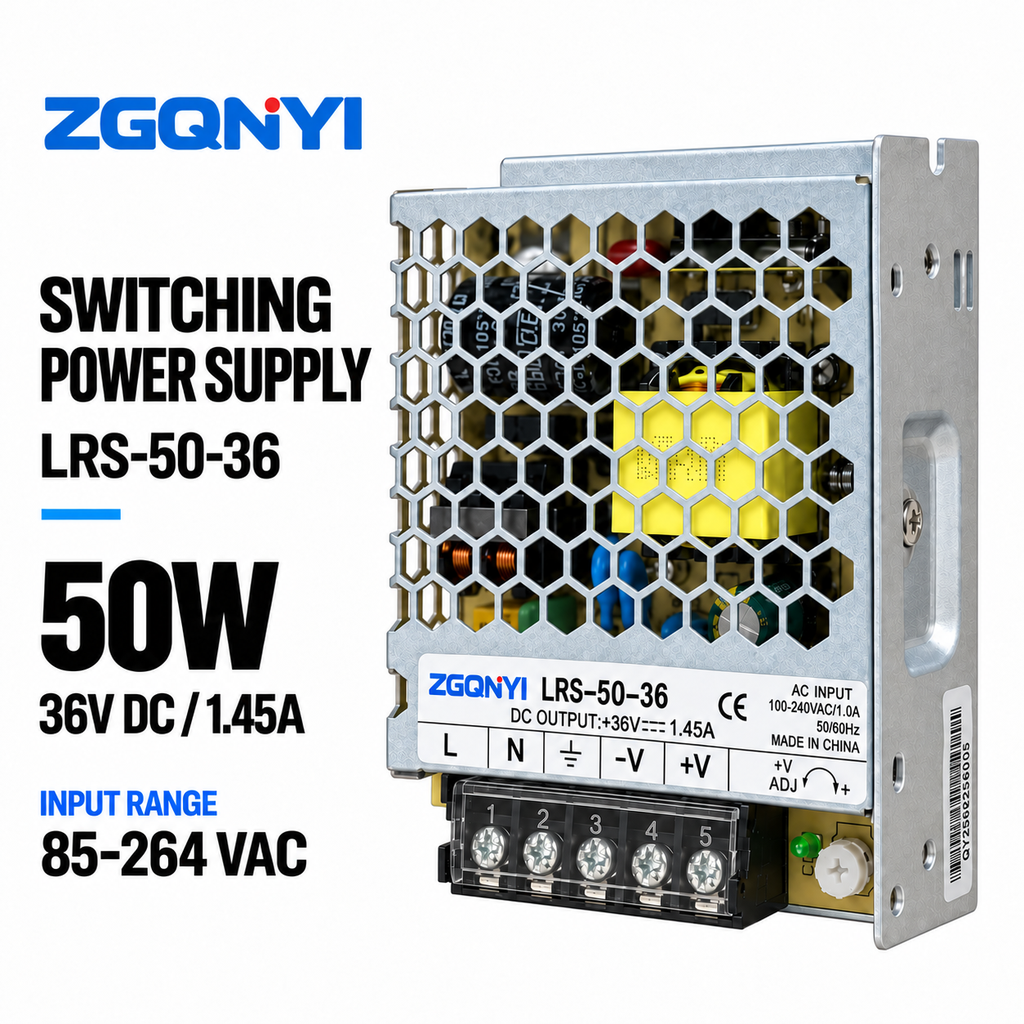
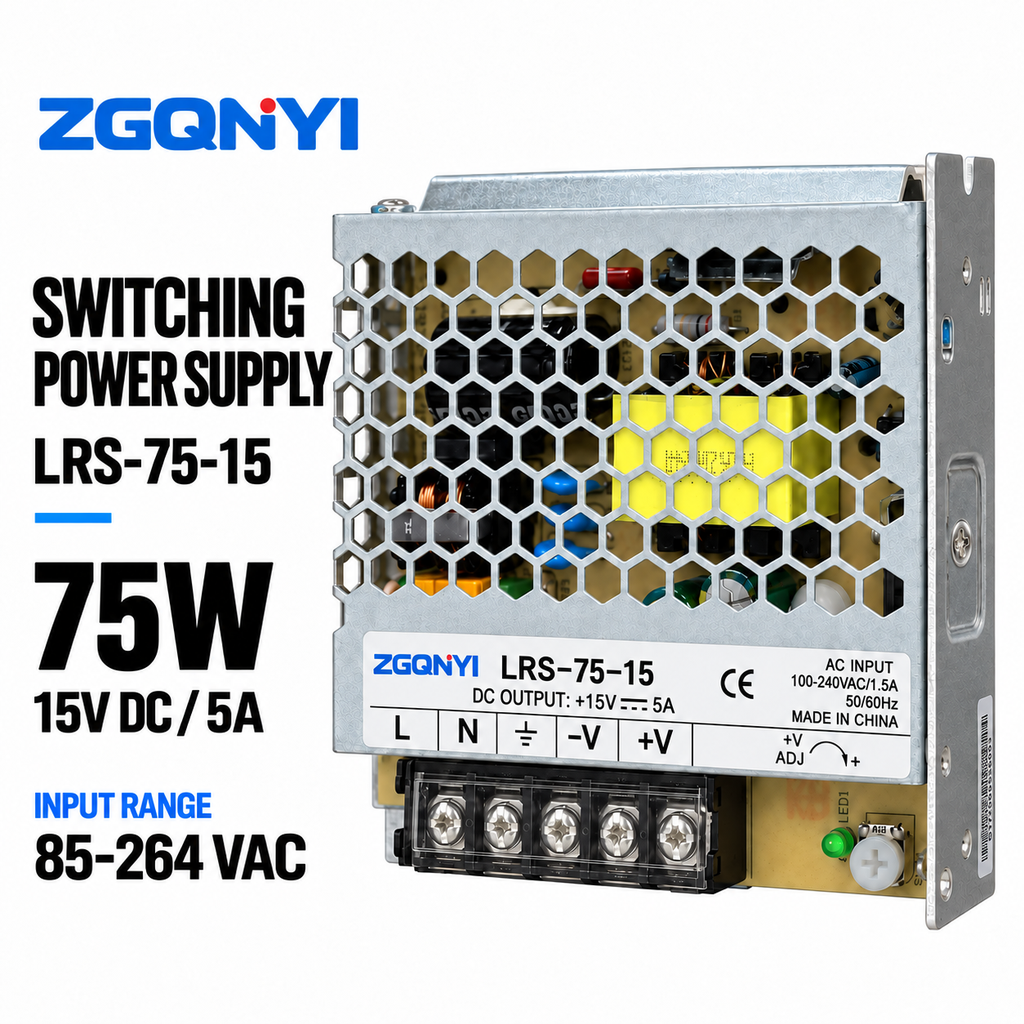
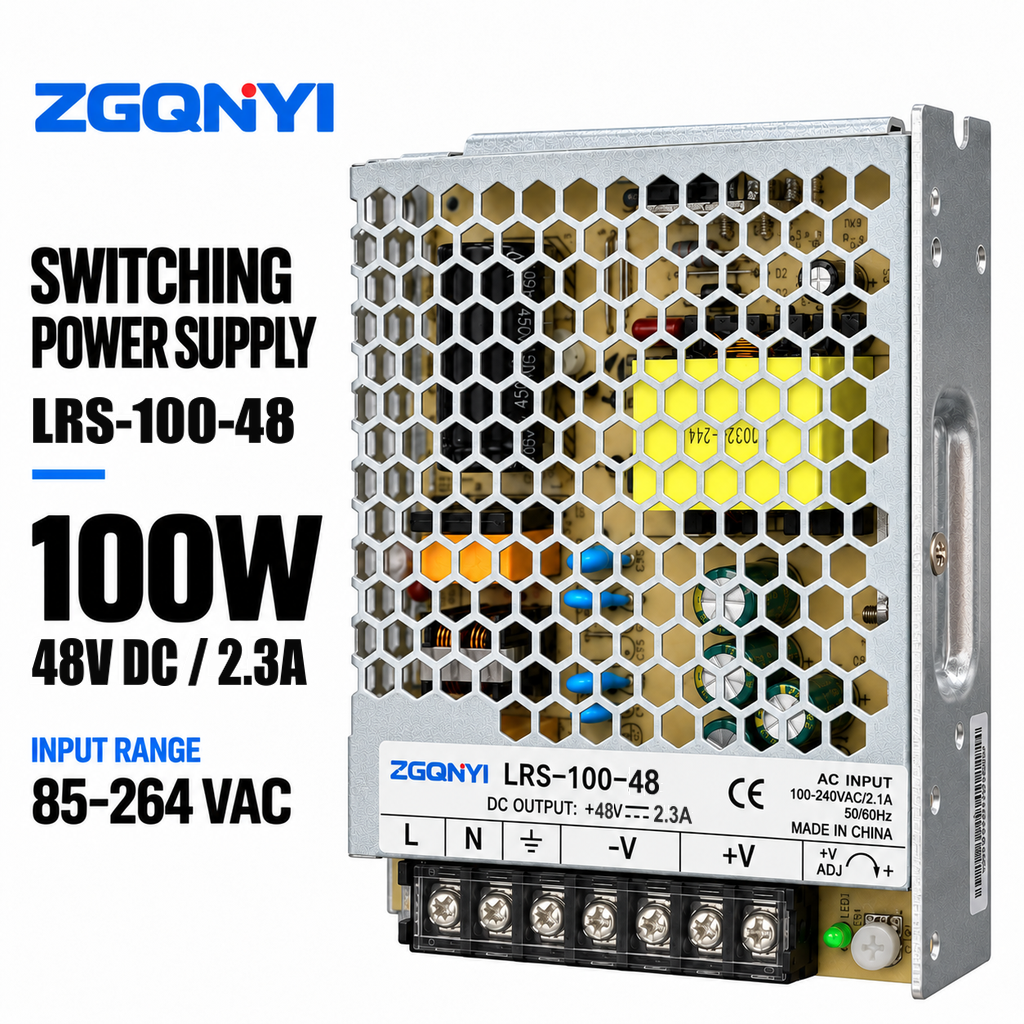
Architectural Foundations of Constant Voltage (CV) Power Supply Design
A Constant Voltage (CV) power supply operates on the operational principle of maintaining an invariant potential difference across downstream circuits regardless of dynamic variations in electrical load resistance or fluctuating mains alternating current (AC) supplies. In industrial automation, additive manufacturing, LED matrix deployments, and programmable logic controller (PLC) topologies, voltage fluctuation introduces signal degradation, premature component thermal wear, and logic state failures. Precision constant voltage architectures employ rapid closed-loop negative feedback systems using programmable precision references like the TL431 combined with optical isolators to monitor the output bus dynamically, compensating within microseconds against load step changes.
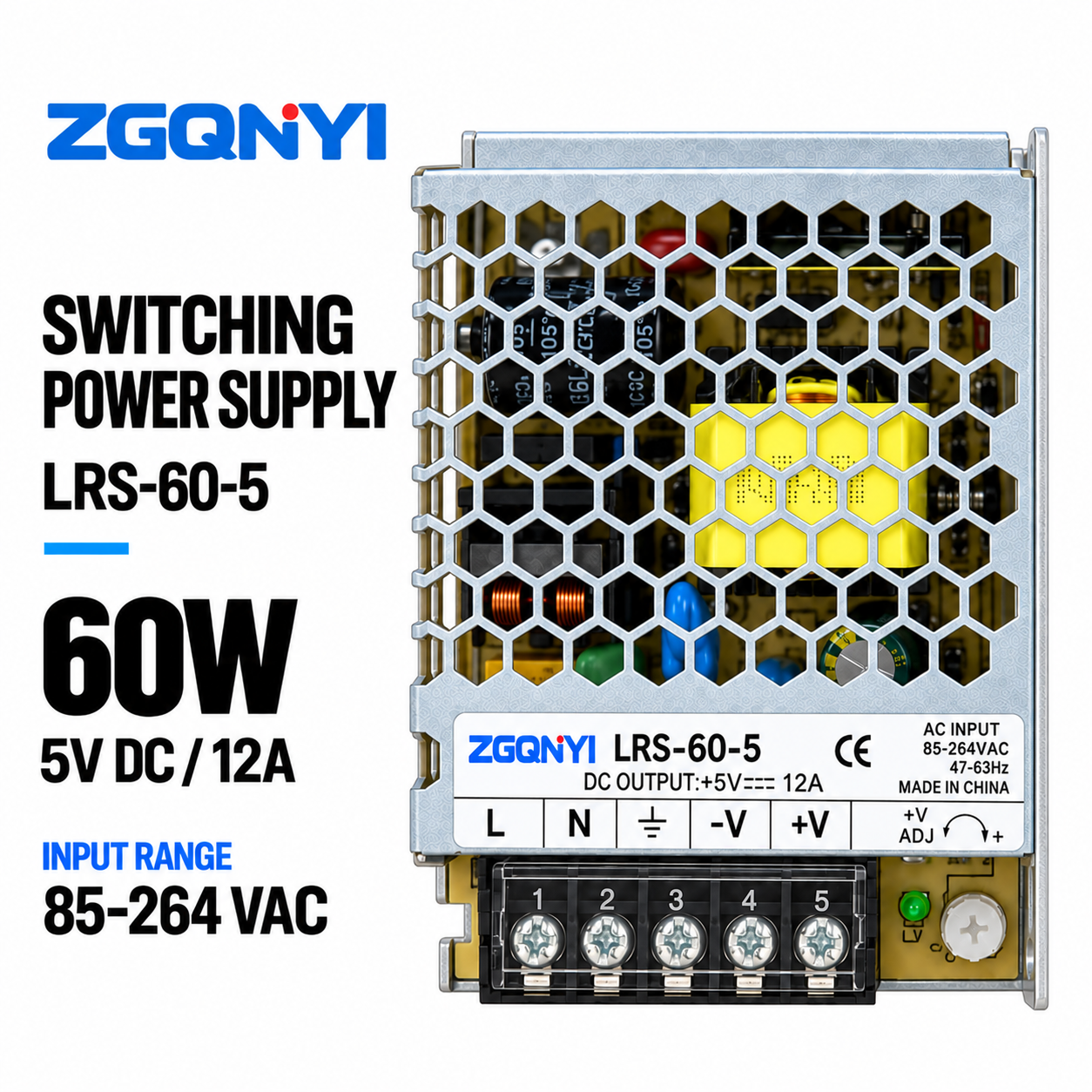
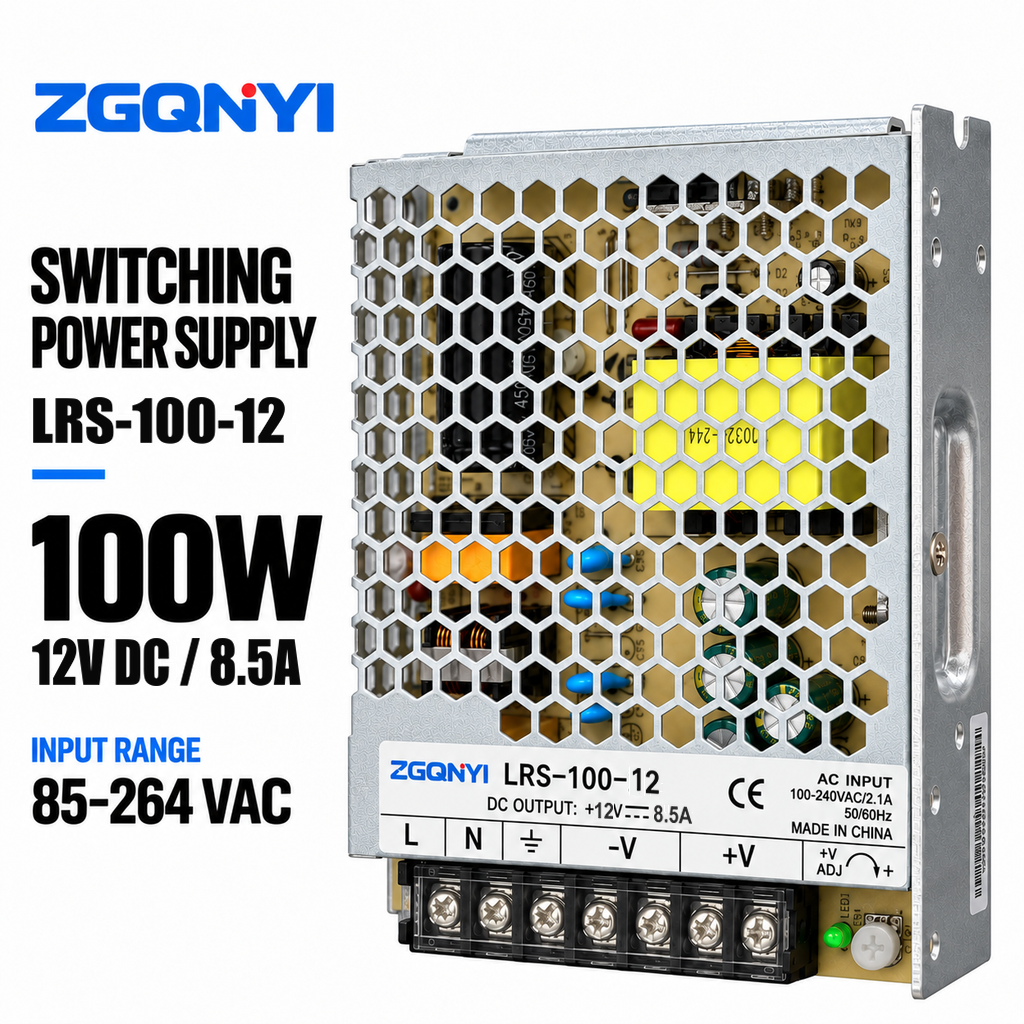
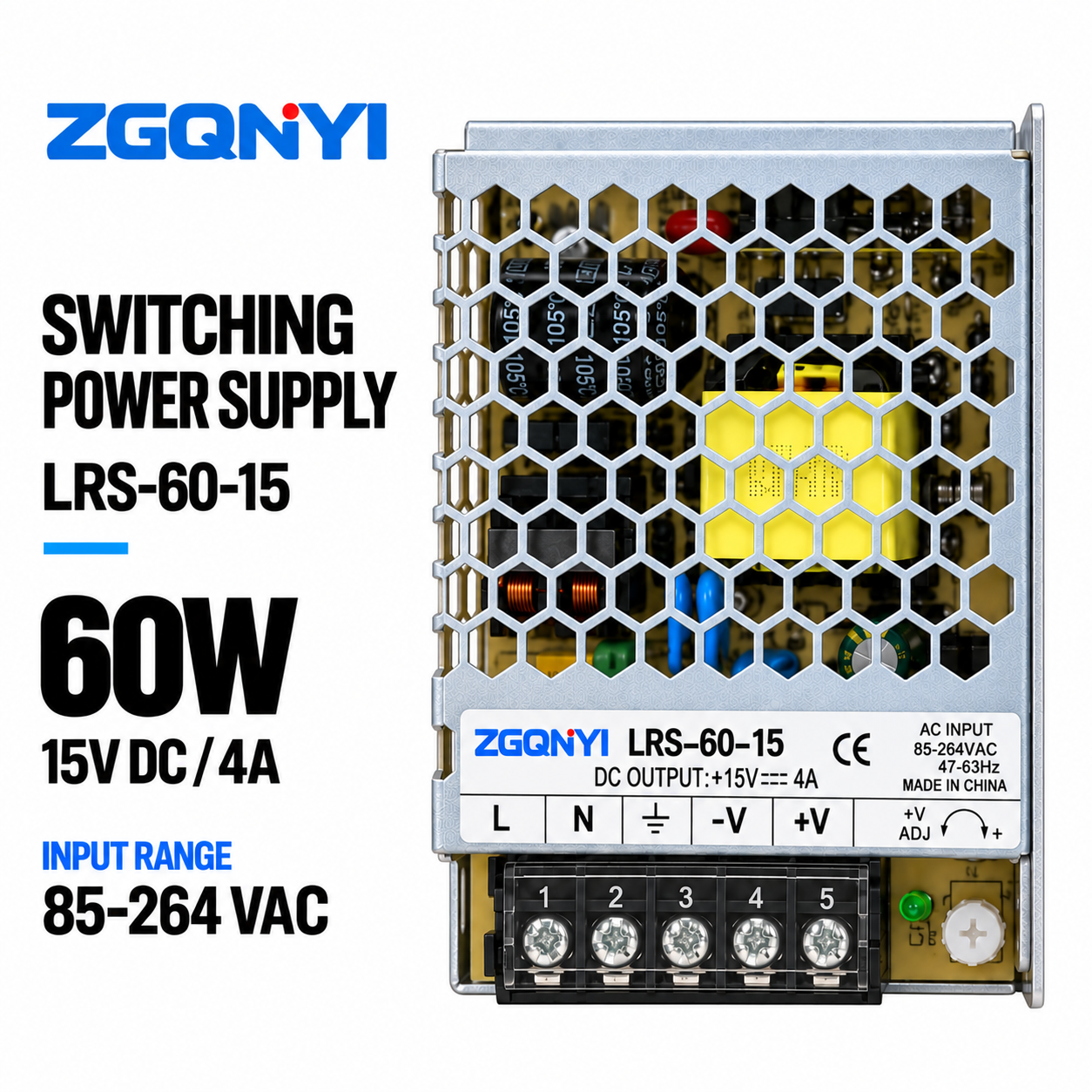
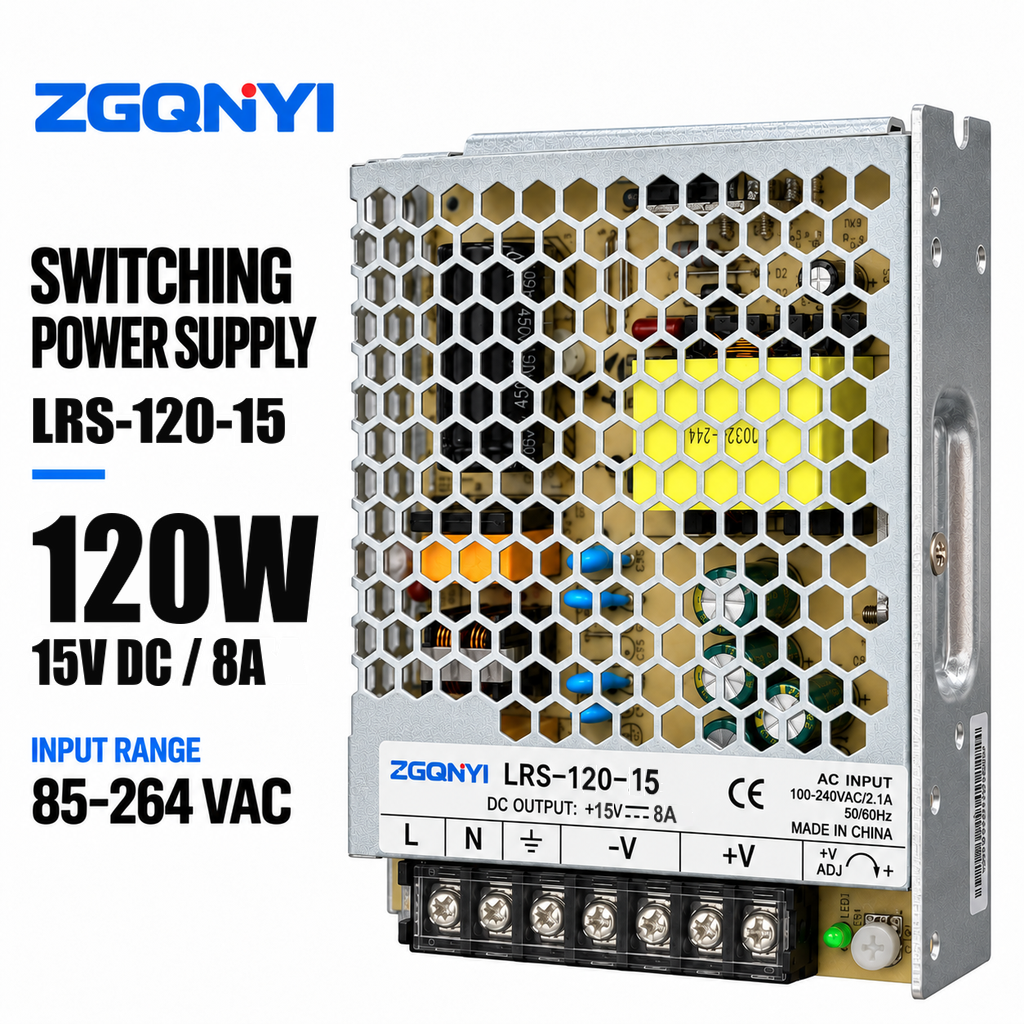
The contemporary demand for low-profile form factors—epitomized by the LRS ultra-thin single group power supply series—has driven significant innovation in magnetic component design and switching topologies. Traditional transformer form factors, which contributed excessive Z-height and high leakage inductance, have been superseded by planar transformers and high-frequency resonant LLC half-bridge or quasi-resonant flyback topologies. By shifting switching frequencies upward from standard 65kHz up to 150kHz–300kHz, magnetics volume is diminished by more than 40%, yielding low-profile chassis heights under 30mm. This thin-profile geometry allows mechanical design engineers to integrate high-density power directly inside compact control cabinets, automated pick-and-place equipment, and modular 3D printer frames without cannibalizing payload or enclosure volumes.
Constant Voltage Topologies: Flyback vs. Forward vs. LLC Resonant
Understanding the topological trade-offs is critical for corporate procurement engineers when qualifying vendor bill-of-materials (BOM) for enterprise deployments:
| Topology | Typical Power Class | Efficiency Window | Dynamic Response | Typical Industrial Target |
|---|---|---|---|---|
| Discontinuous / Quasi-Resonant Flyback | 15W – 100W | 84% – 89% | Moderate (300µs recovery) | Auxiliary logic, IoT sensors, compact single-output modules (LRS-35/50/60) |
| Active-Clamp Forward | 100W – 300W | 88% – 92% | High (150µs recovery) | Industrial automation panels, CNC controllers, LRS-100/120 series |
| LLC Half-Bridge Resonant with SR | 250W – 2000W+ | 92% – 96% | Ultra-Fast (<80µs recovery) | High-power DC supplies, machine vision, multi-axis motion controls |
| Interleaved Two-Switch Forward + PFC | 500W – 5000W | 90% – 94% | High (<120µs recovery) | Electroplating, industrial electrolysis, commercial battery storage rectifiers |
In addition to topology selection, the long-term reliability of constant voltage supplies is directly dictated by electrolyte stabilization in output filter capacitors. The life expectancy follows Arrhenius’ rule of chemical reaction rates: for every 10°C reduction in operational core temperature, capacitor electrolyte longevity doubles. Professional manufacturers like Wenzhou Nuvros Electric Co., Ltd. integrate exclusively premium 105°C-rated low-impedance (Low-ESR) solid aluminum and specialized electrolytic capacitors, coupled with perforated chassis convection architectures, preventing hot-spot accumulation and guaranteeing MTBF figures exceeding 300,000 hours under Telcordia SR-332 testing criteria.
Future Development Trends in Industrial SMPS Technology
How next-generation power electronics, wide-bandgap semiconductors, and intelligent telemetry are revolutionizing constant voltage conversion architectures worldwide.
Wide-Bandgap (GaN & SiC) Adoption
Transitioning from silicon Superjunction MOSFETs to Gallium Nitride (GaN) and Silicon Carbide (SiC) enables switching speeds in excess of 500kHz with near-zero reverse recovery losses. This shift drives power densities above 25W/in³ while minimizing thermal dissipative sinks.
Synchronous Rectification (SR) Logic
Replacing traditional secondary Schottky barrier diodes with low RDS(on) MOSFETs running digital gate-timing controllers decreases secondary conduction dissipation by up to 70%, keeping enclosed chassis cool under unventilated convection loads.
Integrated Active PFC (>0.98)
In adherence to strict IEC/EN 61000-3-2 Class C and D international standards, future constant voltage power architectures universally integrate continuous conduction mode (CCM) boost power factor correction, maximizing real power delivery and slashing total harmonic distortion (THD).
Bidirectional Telemetry & PMBus
Industrial SMPS are transitioning from passive components into intelligent edge devices. Real-time telemetry via isolated RS-485 Modbus, CANopen, or PMBus interfaces permits predictive monitoring of operating temperature, instantaneous current, cumulative operational hours, and ripple health.
Harsh Environment Conformal Coating
Automated selective spray robotic coating of IPC-A-610 Class 3 conformal polyurethane shields SMD lines against airborne ionic contaminants, conductive metal shavings in CNC cabinet airflows, and high-humidity ambient cycles without requiring sealed potted housings.
Modular Voltage Reconfiguration Platforms
Enterprise factories are prioritizing platform architectures where core power boards share uniform chassis punchings and magnetic footprints, allowing rapid factory calibration to customized voltage nodes (such as 15V, 36V, or 48V) without retooling overhead or certification delays.
Global Sourcing Trends & Total Cost of Ownership (TCO) Analysis
Procuring constant voltage power supplies on an industrial OEM scale requires a transition from assessing pure unit purchase price (Ex-Works cost) toward rigorous Total Cost of Ownership (TCO) models. Power supply failure accounts for over 38% of field-service interventions in automated factory installations, machine control systems, and commercial LED signage arrays. Unscheduled downtime, labor dispatch costs, and warranty repair logistics overwhelmingly dwarf minor initial savings on sub-tier power supplies manufactured with unbranded electrolytic components or insufficient transient surge suppression.
1. Navigating Supply Chain Resiliency & Component Dual-Sourcing
Recent disruptions across global supply chains have underlined the necessity of partnering with vertically integrated power supply manufacturers. Top trusted Chinese factories, notably concentrated in the Beibaixiang/Wenzhou industrial corridor, leverage high local component ecosystem density. Raw magnetic cores, stamped copper terminals, multi-layer FR-4 circuit boards, and aluminum extruded enclosures are localized within an hour's logistical transit. When qualifying an OEM/ODM power supply partner, procurement committees must verify the factory's automated SMT capacity, buffer inventory of critical switching controllers, and availability of dual-sourced certified active components.
2. Compliance Directives and Global Import Gateways
Ensuring frictionless international logistics requires rigorous pre-shipment alignment with statutory regional certification regimes. Top-tier manufacturers conduct systematic compliance checks:
- European Union (CE, RoHS, REACH, Low Voltage Directive 2014/35/EU): Verification that power supplies carry authenticated EN 62368-1 (Audio/Video, Information and Communication Technology Technology Equipment) test reports, fulfilling both electrical insulation and thermal stress boundaries.
- Electromagnetic Compatibility (EMC Directive 2014/30/EU): Ensuring compliance with EN 55032 Class B radiated emissions and EN 61000-4-5 line-to-line (2kV) and line-to-earth (4kV) surge protection boundaries.
- North American Alignment (UL/cUL Standards): Verifying flammability thresholds (UL 94V-0 rated PCB substrates and terminal blocks) and leakage current below 0.75mA to guarantee personnel safety on non-isolated installations.
3. Strategic Life-Cycle Sizing & Derating Guidelines
A frequent error encountered in procurement specifications is matching the continuous power load directly to the power supply's nominal rating (e.g., loading a 100W supply continuously at 98W). In real-world industrial installations, ambient cabinet temperatures often climb to 50°C–60°C due to heat dissipation from adjacent variable frequency drives (VFDs) and contactors. Engineers must evaluate the manufacturer’s Thermal Derating Curve. Standard industrial practice demands selecting a power supply with a 20% to 30% power headroom margin above continuous operational consumption, simultaneously mitigating peak inrush currents triggered by capacitive loads or inductive motor start cycles.
Wenzhou Nuvros Electric Manufacturing Infrastructure
Direct manufacturer capabilities engineered to support Tier-1 industrial buyers, wholesale distributors, and global OEM/ODM instrumentation projects.
18 Years Power Electronics R&D
Founded and operated in Beibaixiang Town, Wenzhou—China's electrical engineering heartland. Our engineering staff is specialized in high-efficiency AC/DC, DC/DC, and programmable CC/CV topologies.
100% Full-Load Aging Protocols
Every single power supply unit off the production line undergoes a rigorous 4-to-8-hour continuous full-load dynamic burn-in test at elevated ambient temperatures to eliminate infant mortality risks prior to ocean or air dispatch.
Comprehensive Model Portfolio
Over 1,000 active catalog models spanning ultra-thin LRS series, DIN rail (NDR/MDR/DR), IP67 outdoor waterproof LED drivers, and heavy-duty 1kW to 18kW adjustable process power rectifiers.
Flexible Global Commercial Terms
Full support for OEM custom badging, buyer label services, and bespoke enclosure stampings. Accepted delivery terms include FOB, CFR, CIF, EXW, FCA, and DDP with multivariant payment flexibility (T/T, L/C, PayPal).
Frequently Asked Procurement & Engineering Questions
Clear, direct answers regarding specification sizing, harmonic compliance, thermal management, and factory custom manufacturing capabilities.
What is the practical engineering distinction between a Constant Voltage (CV) and Constant Current (CC) power supply?
How does an OEM calculate necessary power headroom for inductive or capacitive transient loads?
Can constant voltage power supplies be connected in parallel for redundant (N+1) or capacity expansion configurations?
What design factors govern the acoustic noise (coil whine) observed in some low-profile SMPS units?
What are the minimum order quantities (MOQ) and production lead times for custom voltage calibrations?
How does ambient temperature degrade the MTBF of an enclosed power supply without forced-air cooling?
Ready to Engineer or Procure Custom Constant Voltage Power Supplies?
Connect immediately with Wenzhou Nuvros Electric’s technical sales team. We offer tailored specification reviews, formal quote preparation, CAD enclosure footprints, and priority sample dispatch for global manufacturing partners.