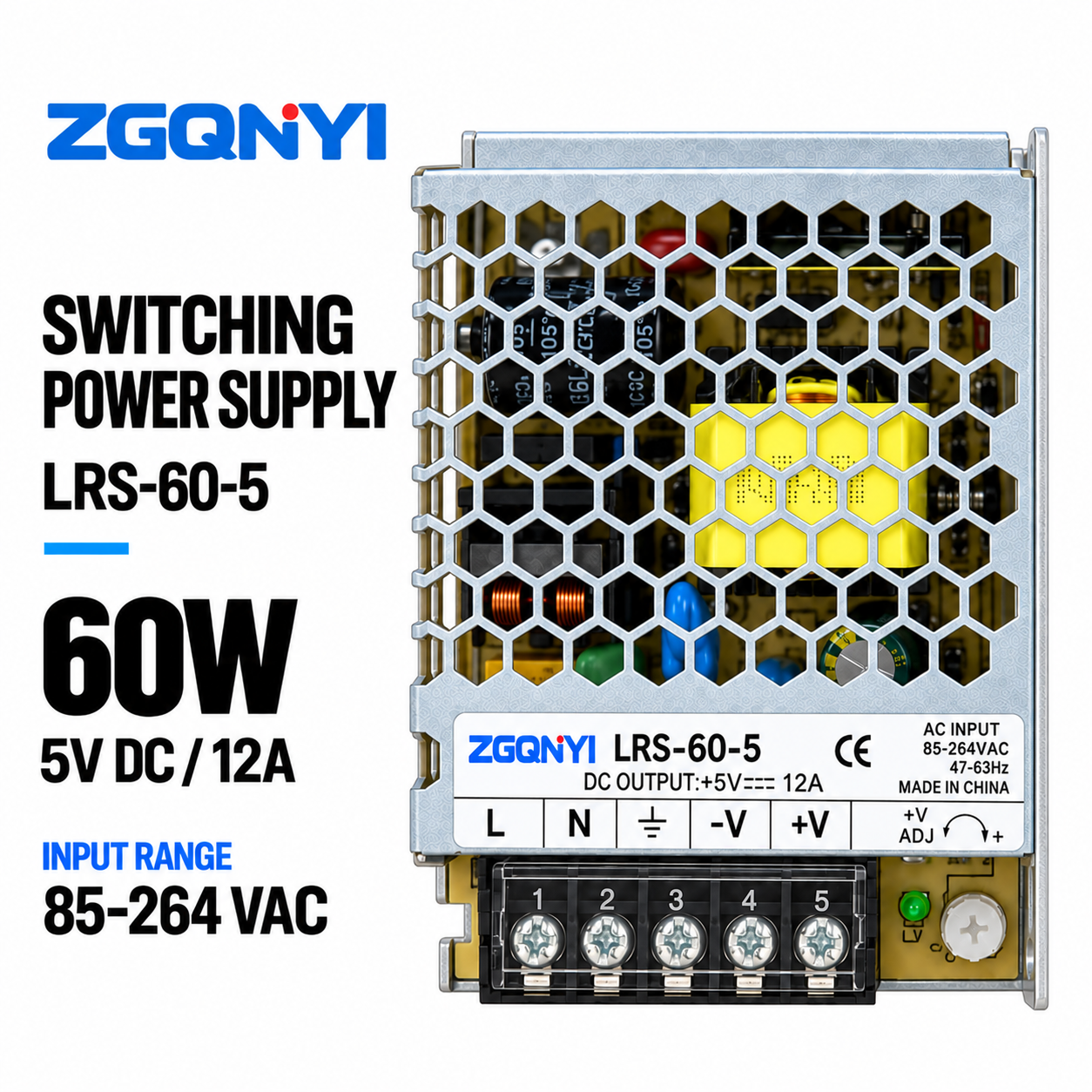
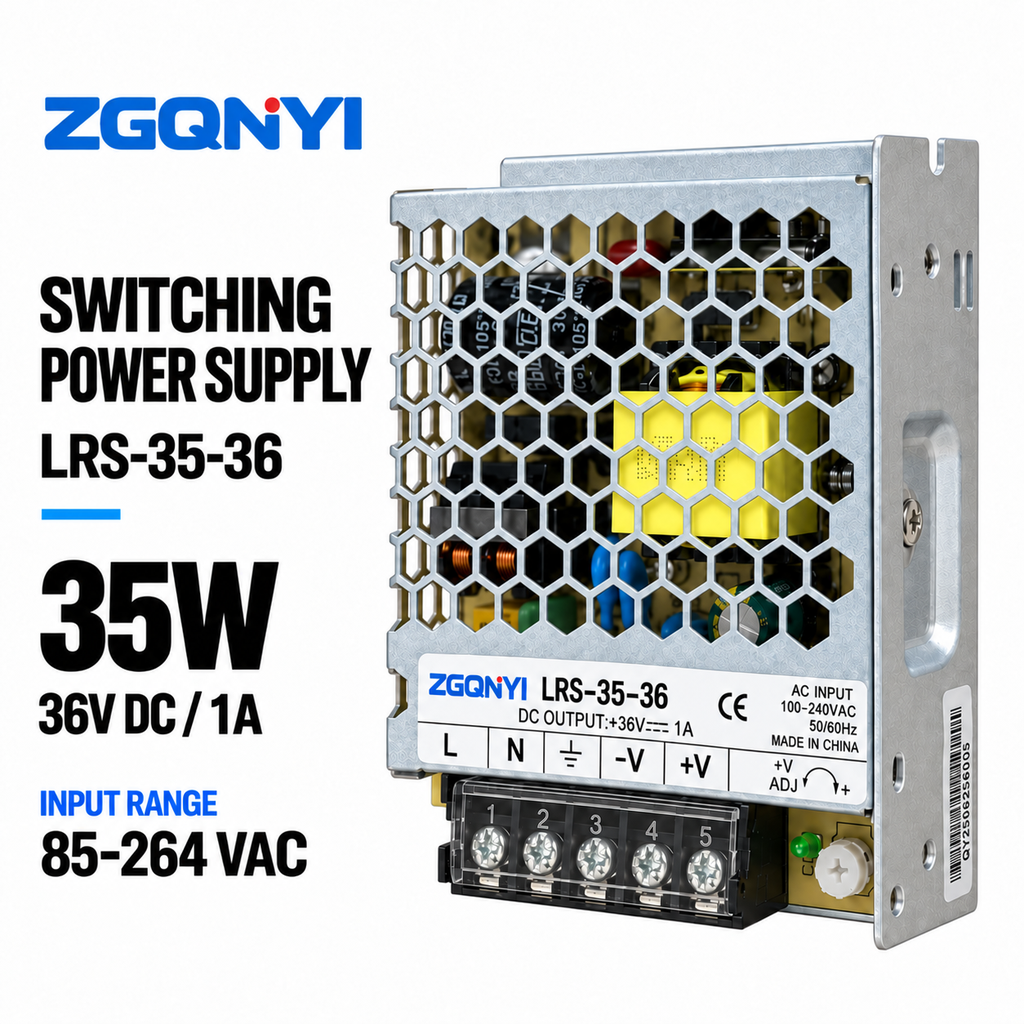
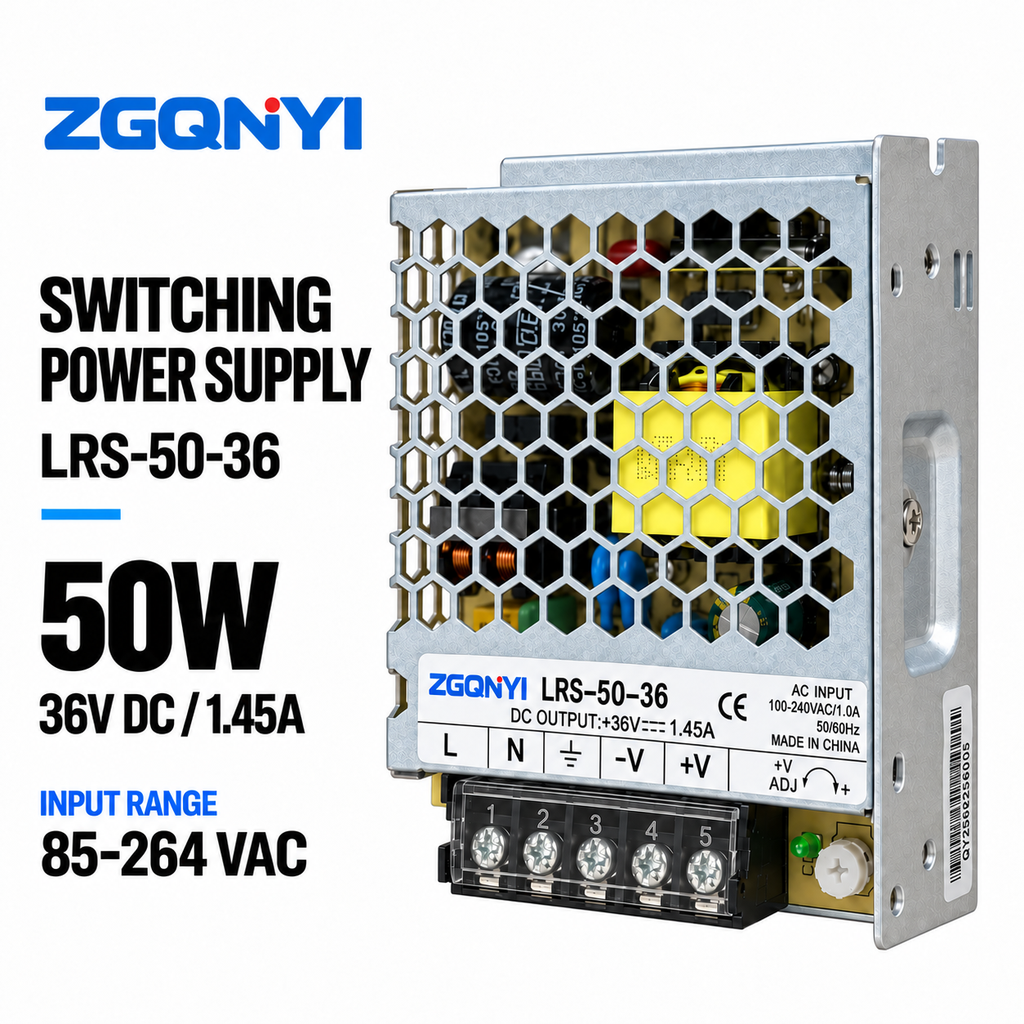
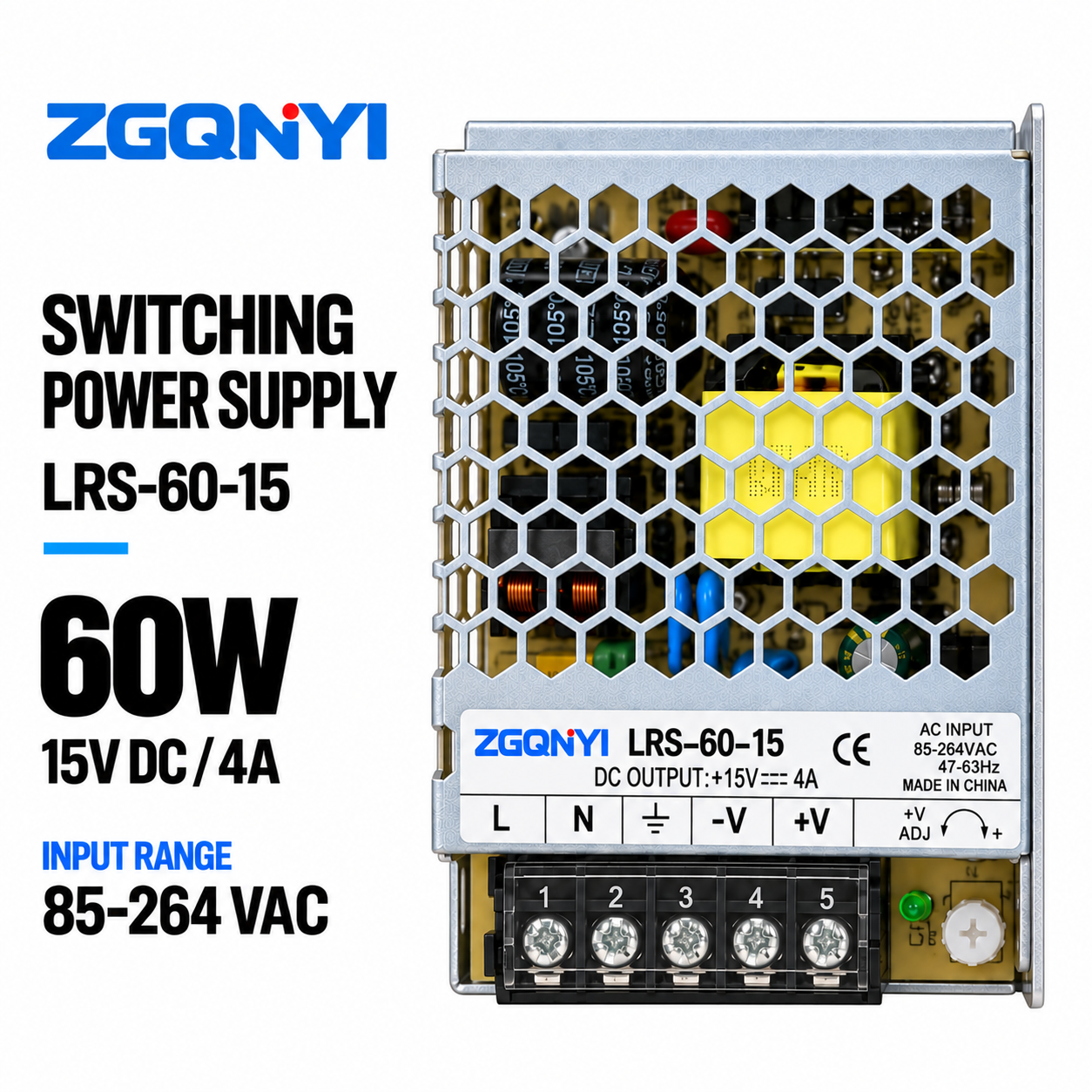
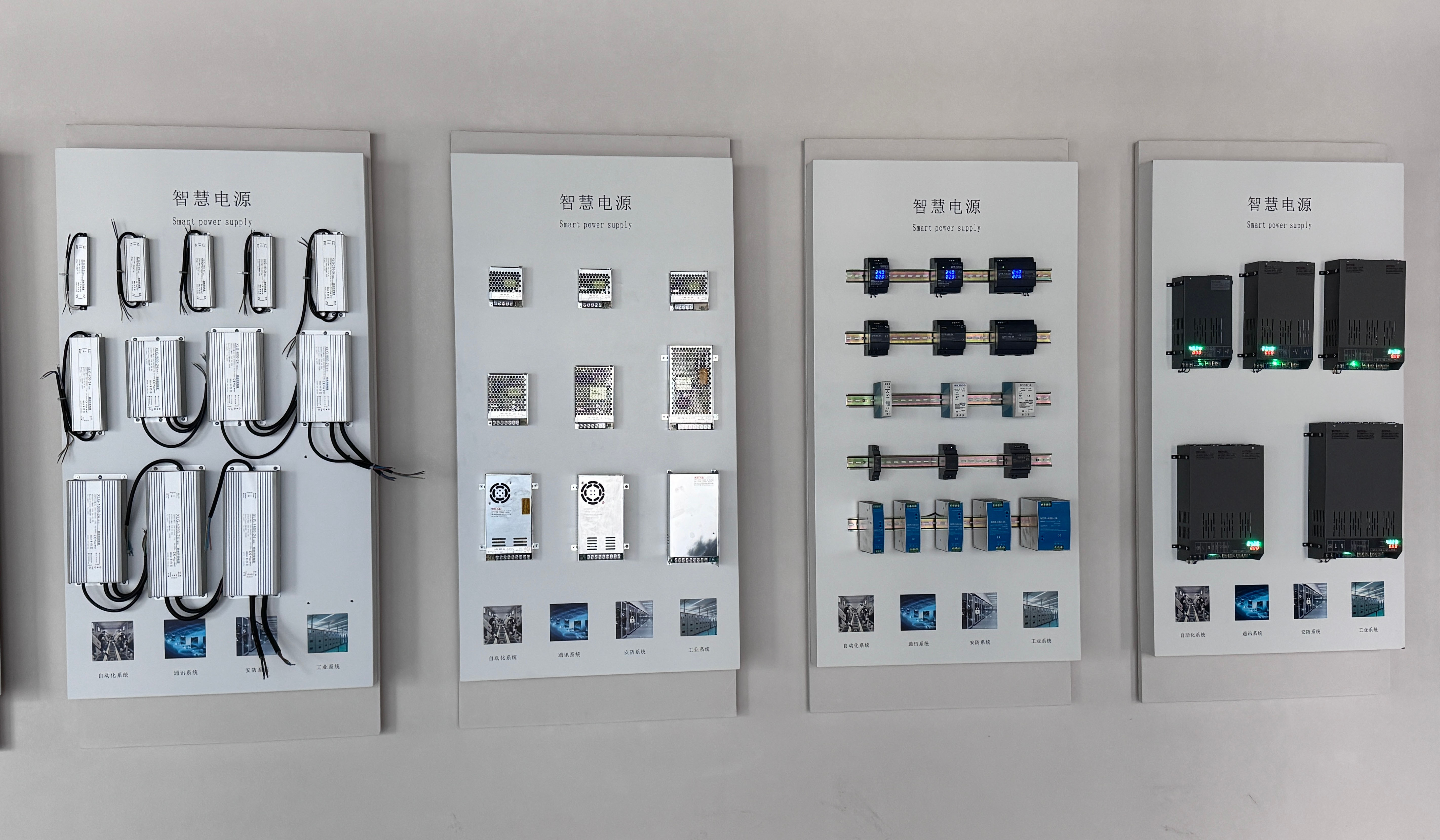
Engineered with low-ripple Constant Current / Constant Voltage (CC/CV) control, active Power Factor Correction (PFC), and robust EMC filtration to power Portland's mission-critical Lithium Iron Phosphate (LiFePO4) storage, intralogistics, and automated assembly systems.
Operating from China's primary electrical manufacturing hub, Wenzhou Nuvros Electric delivers tier-one engineering, complete component traceability, and high-volume output tailored to OEM importers in Oregon and the broader Pacific Northwest.
From the Columbia River logistics corridors in Northeast Portland to the Silicon Forest cleanrooms of Hillsboro and Beaverton, Portland demands power hardware built for humid maritime air, strict harmonic compliance, and extreme battery longevity.
Portland's Port terminals along the Willamette and Columbia rivers require continuous-duty charging systems for autonomous guided vehicles (AGVs), electric tuggers, and hybrid dockside handling equipment. Our chargers feature conformally coated PCBs, sealed inductors, and specialized CC/CV curves preventing cold-temperature lithium dendrite formation in damp, salt-mist environments.
Semiconductor fabrication plants, precision optical tooling, and high-density testing labs across the Hillsboro-Beaverton corridor rely on pristine DC power with exceptionally low harmonic distortion. Our high-power rectifiers integrate active PFC (>0.98) and Class B conducted emission compliance, ensuring uninterrupted buffer charging for emergency critical back-up banks.
In accordance with Oregon's aggressive Clean Energy Framework, commercial installations throughout Multnomah County prioritize off-grid solar-plus-storage integration. Our modular units deliver wide AC input tolerances (85–264VAC), RS485 telemetry for Battery Management Systems (BMS), and programmable tail-current cutoffs to maximize cycle life up to 6,000+ charges.
Why conventional lead-acid trickle chargers and generic SMPS switchers degrade LiFePO4 chemistry—and how Nuvros optimizes thermal efficiency, saturation control, and current linearity.
Lithium Iron Phosphate (LiFePO4) exhibits an exceptionally flat nominal discharge plateau around 3.2V to 3.25V per cell, followed by an exponential voltage rise during the final 5% of its charging curve (reaching 3.65V per cell maximum). Standard industrial power supplies lack the millivolt-grade accuracy required to manage this transition knee. When generic power units attempt to charge LiFePO4 packs without precise CC-to-CV transition points, over-voltage events trigger the Battery Management System (BMS) over-voltage protection (OVP), causing violent contactor cycling, thermal runaway stresses, and shortened cycle life.
Our LiFePO4 industrial chargers utilize high-speed analog/digital dual-loop feedback circuits that throttle charging currents smoothly when terminal potential reaches 14.4V–14.6V on 4S packs, 28.8V–29.2V on 8S packs, and 57.6V–58.4V on 16S arrays. Rather than maintaining a damaging "trickle charge," our platforms drop to zero current injection or enter a mathematically tuned float regime to eliminate cathode breakdown and metallic lithium plating.
Oregon's commercial and industrial electrical standards strictly regulate non-linear reactive loads introduced by high-power rectifiers. By integrating proprietary continuous conduction mode (CCM) active Power Factor Correction stages into units rated from 300W through 18kW, our conversion systems achieve a Power Factor >0.98 and total harmonic distortion (THD) under 5%. This compliance ensures that large-scale charging banks—such as those operating in East Portland distribution facilities—operate without introducing excessive neutral conductor heating, transformer core saturation, or electromagnetic crosstalk into sensitive building automation networks.
Portland averages over 150 days of measurable precipitation annually, resulting in elevated indoor relative humidity inside non-climate-controlled logistics warehouses and dockside facilities. High relative humidity combined with airborne particulate matter accelerates electrochemical migration and dendritic shorting on bare FR-4 printed circuit boards. Every industrial charger exported to the Pacific Northwest by Wenzhou Nuvros is treated with military-grade silicone conformal coatings, incorporates galvanic isolation up to 3,000VAC between primary and secondary domains, and utilizes sealed, high-efficiency toroidal transformers to eliminate condensation-induced catastrophic arching.
| Design Vector | Standard Commercial SMPS | Traditional Lead-Acid Charger | Nuvros Industrial LiFePO4 Charger |
|---|---|---|---|
| Charge Algorithm | Fixed Voltage / Hard Cutoff | 3-Stage Float with Desulfation Pulse | Precise CC/CV with Programmable Tail Current |
| Voltage Precision | ± 2.0% (Inadequate for BMS) | ± 3.0% (High risk of LiFePO4 damage) | ± 0.5% Millivolt-Grade Calibration |
| BMS Protection Integration | None (Interpreted as Fault) | None (Voltage spikes blow FETs) | Built-in Soft-Start & Auto-Reset Handshake |
| Thermal Derating | Sharp drop above 40°C | Passive heavy heat soak | Optimized airflow, full load to 50°C |
| Telemetry & Control | None | Analog needles / Basic LED | RS485 / Modbus RTU / Isolated V-A Readouts |
Strategic insights for system integrators, automated warehouse operators, and OEM manufacturers across the Greater Portland Metropolitan Area.
Oregon's commitment to net-zero logistics is rapidly phasing out propane and lead-acid battery fleets in Class 1 through Class 3 forklifts, stackers, and automated guided carts (AGCs). Facilities in Gresham, Clackamas, and Troutdale are retrofitting with high-drain LiFePO4 battery modules requiring ultra-reliable, high-amperage CC/CV charging cabinets capable of round-the-clock opportunity charging without capacity degradation.
Modern Portland engineering hubs demand real-time telemetry from every power supply node. The market has moved decisively away from "dumb" analog switchers toward smart charging solutions. Providing digital voltage and current monitoring, remote shutoff via external contact closure, and multi-channel RS485 communication protocols is now mandatory for enterprise integration into smart building SCADA platforms.
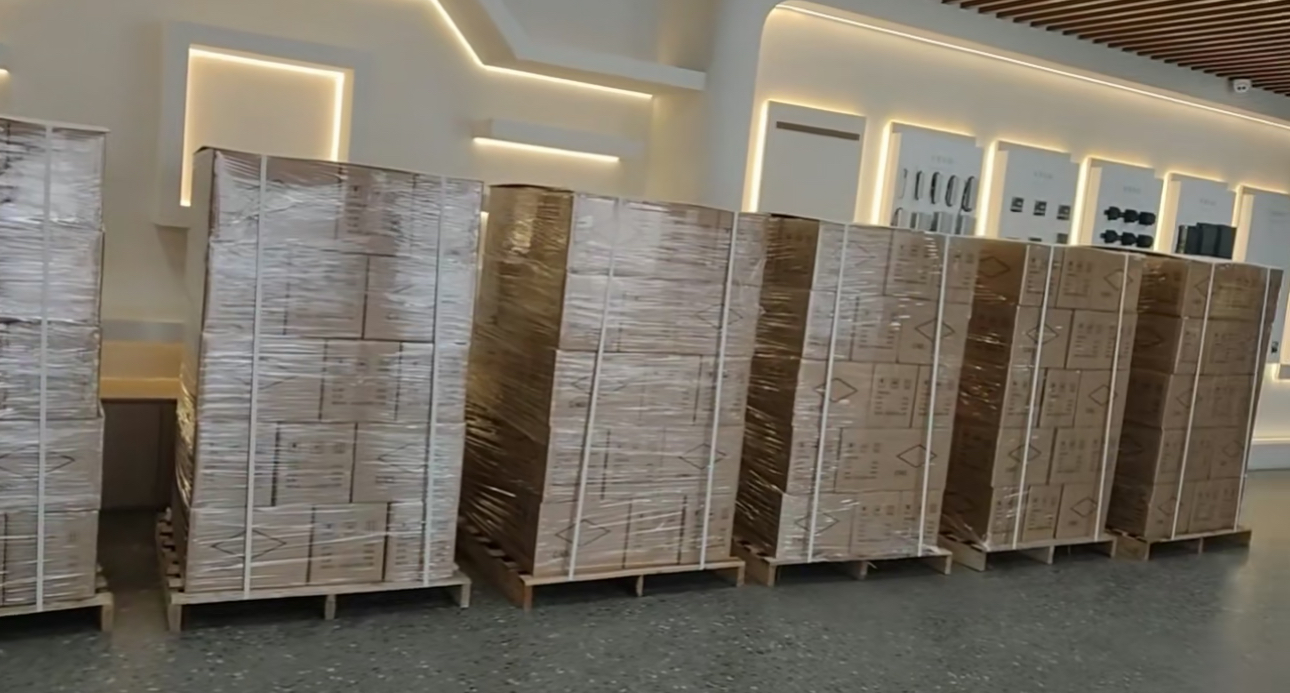
Supply chain shocks across regional distributors have prompted Portland OEMs to bypass intermediaries and establish direct ties with tier-1 export factories. Direct partnerships allow local firms to procure custom chassis profiles, custom-tailored charging algorithms, private labeling, and scheduled ocean container deliveries straight to the Port of Portland, cutting landed procurement costs by 28% to 40%.
Clear, authoritative technical answers addressing customs, technical specifications, MOQ, and localized integration.
Backed by nearly two decades of precision power electronics manufacturing, automated production lines, and 100% full-load burn-in testing protocols.
Founded at the heart of China's electrical engineering capital, our R&D team specializes exclusively in power electronics topologies—delivering AC/DC, DC/DC, and inverter solutions trusted by 2,000,000+ customers globally.
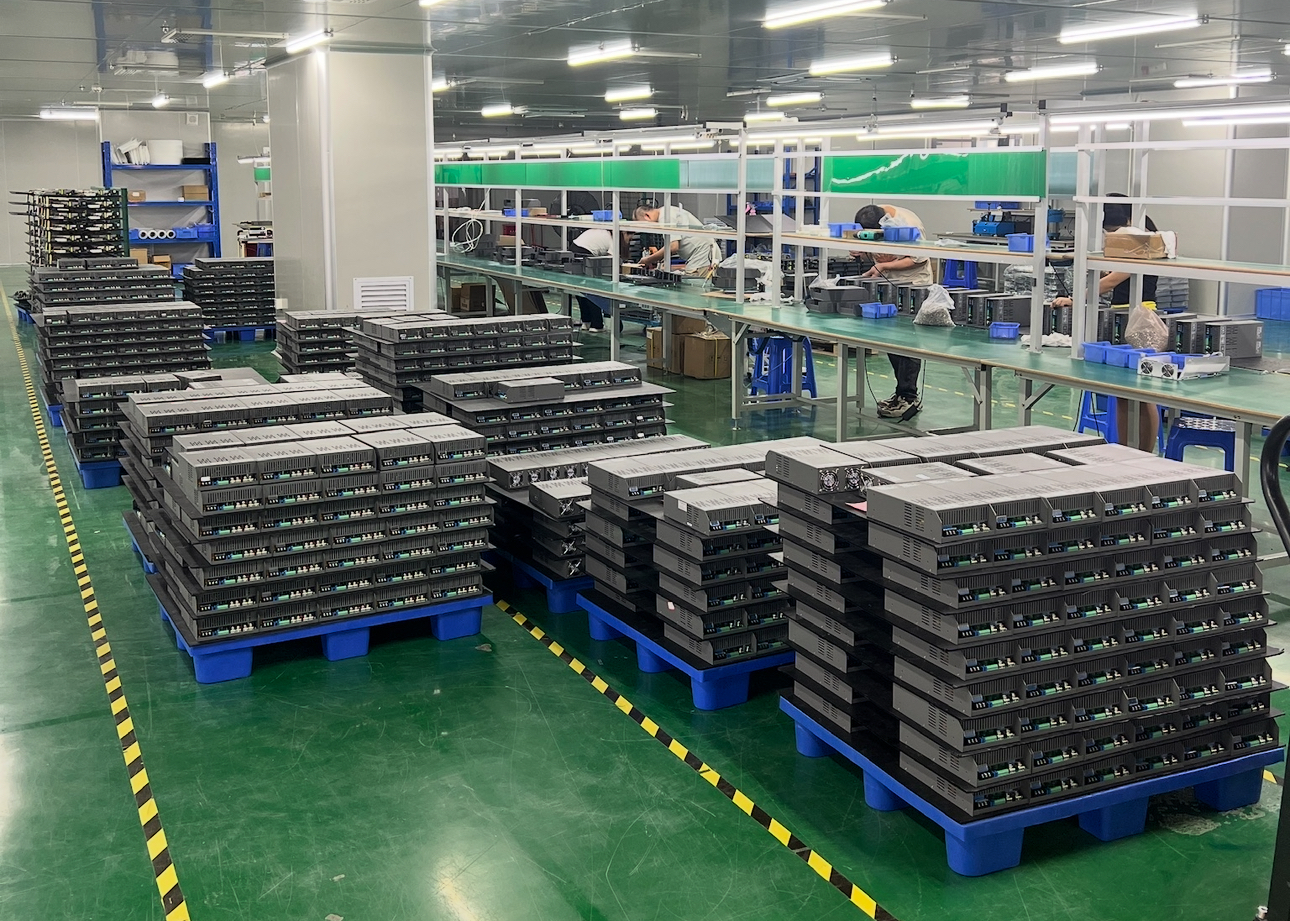
Equipped with automated SMT placement lines, robotic selective wave-soldering, in-circuit test (ICT) analyzers, and dedicated thermal-environmental aging chambers, our facility outputs over 500,000 units monthly.
Zero compromises on quality. Every single production unit undergoes automated full-load thermal burn-in stress testing, hi-pot dielectric insulation verification, and automated dynamic load-switching validation before packaging.
You work directly with seasoned power engineers who speak your language, understand complex ripple, loop-response, and thermal calculations, and maintain an audited response time ≤ 1 hour during business operations.
Connect directly with our lead power systems engineering team. Whether you need modifications to output voltages, custom CC/CV profile validation for an emerging energy storage project, or full container pricing delivered directly to the Port of Portland, we provide end-to-end support within 1 business hour.