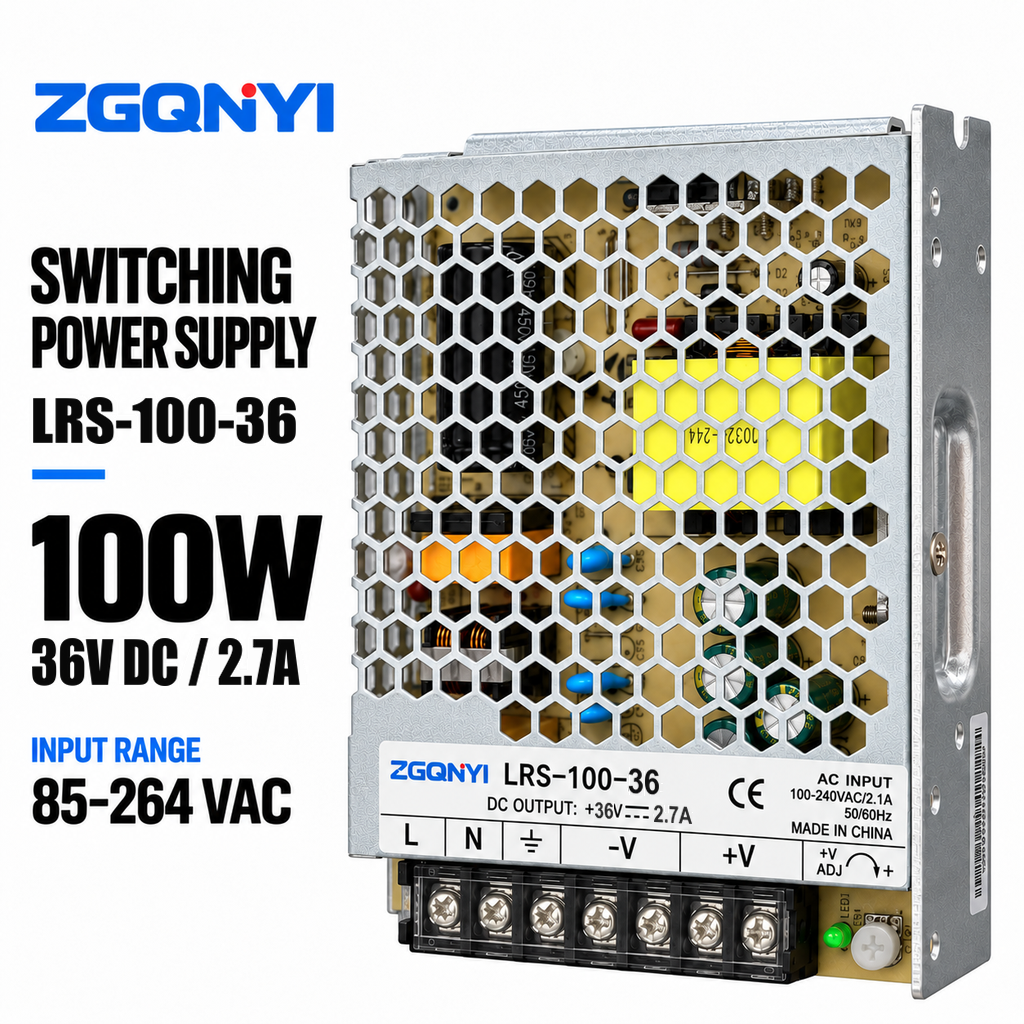
ZGQNYI LRS-100-36 36V 100W Switching Power Supply AC DC Converter Industrial PSU for Motor Controllers Automation Equipment
36VDC / 2.8A
88.5% Efficiency
Compact 30mm Profile
Low-profile enclosed metal chassis, high-reliability DIN rail mounting, and high-wattage active CC/CV conversion units rigorously verified for mission-critical operations.
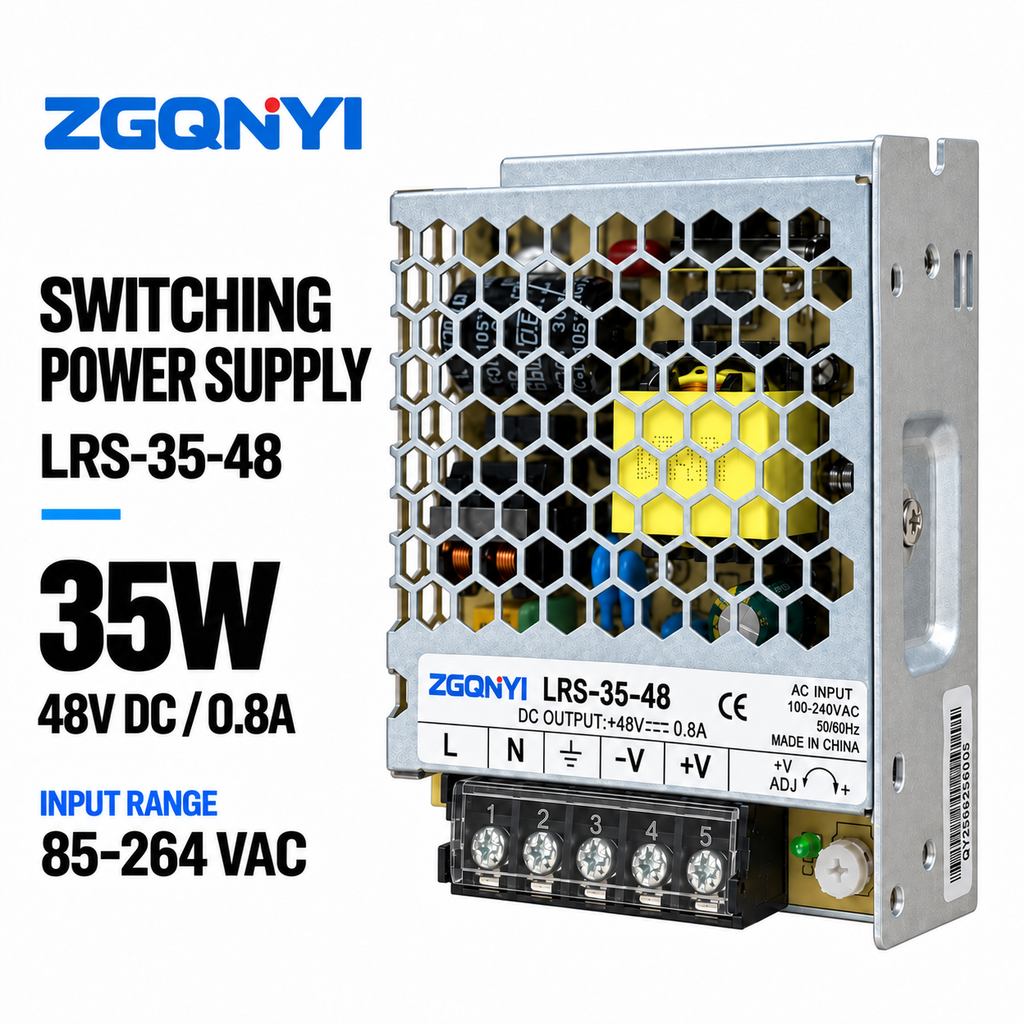
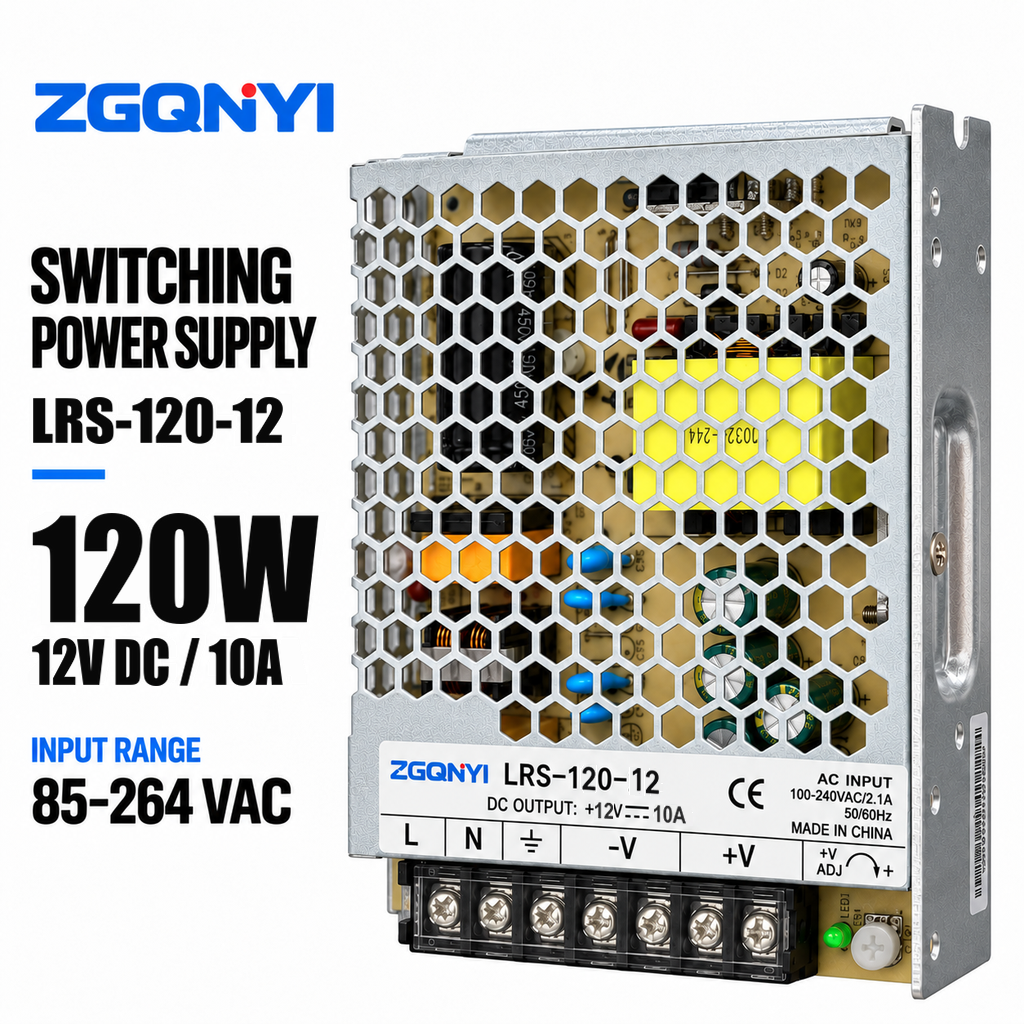
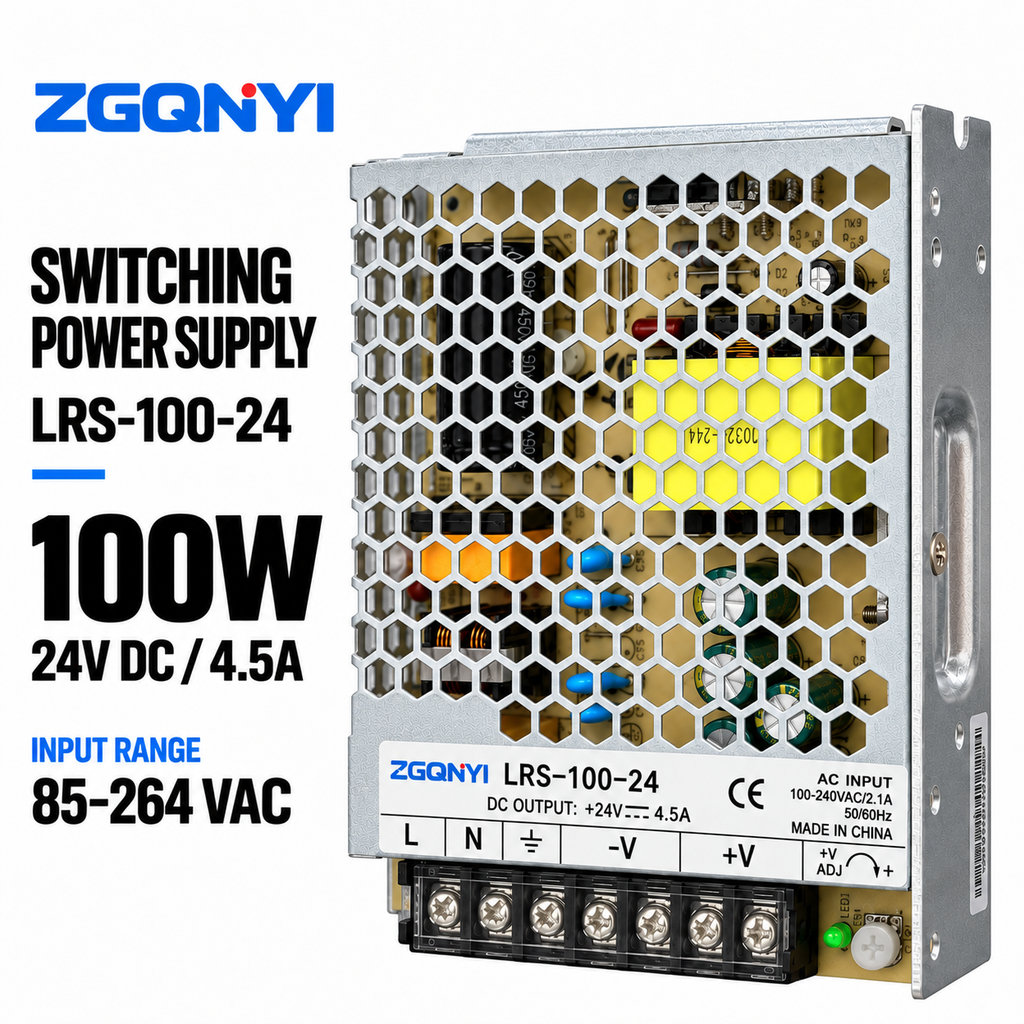
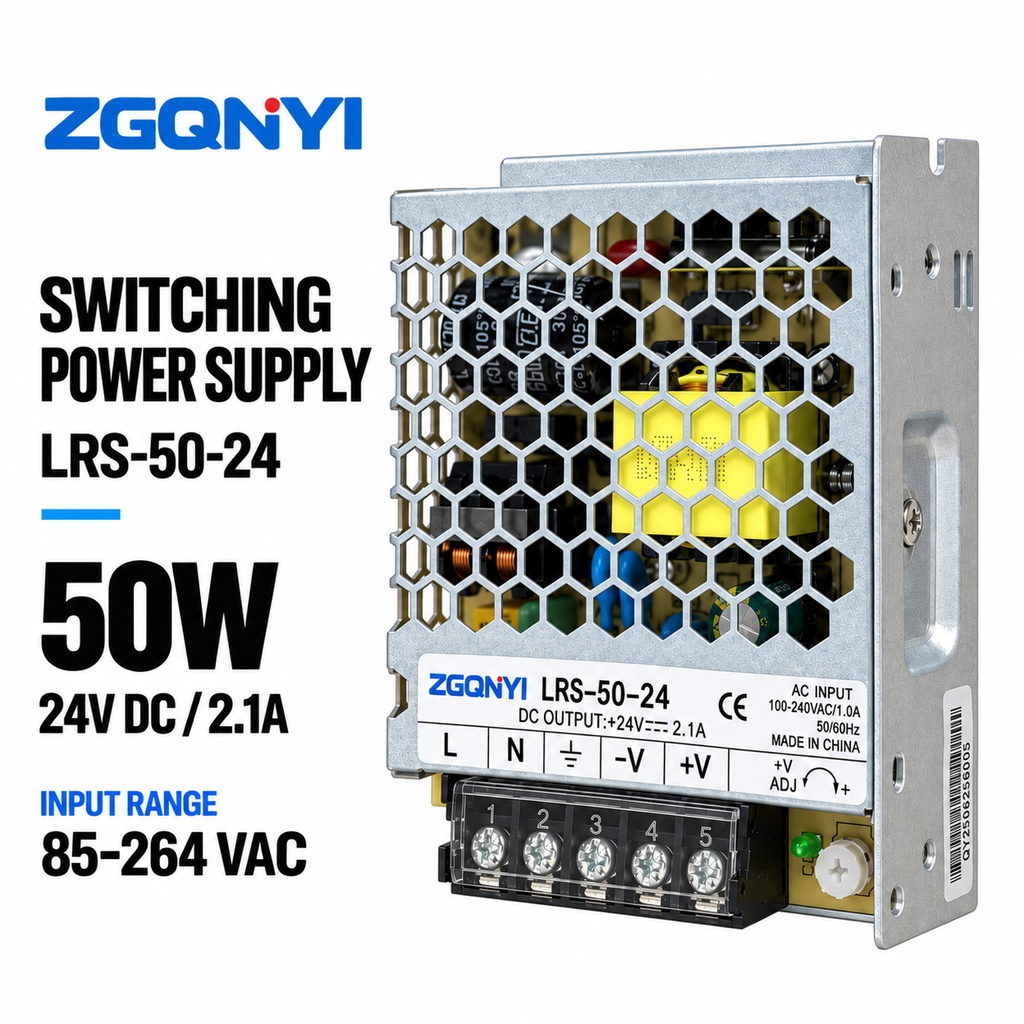
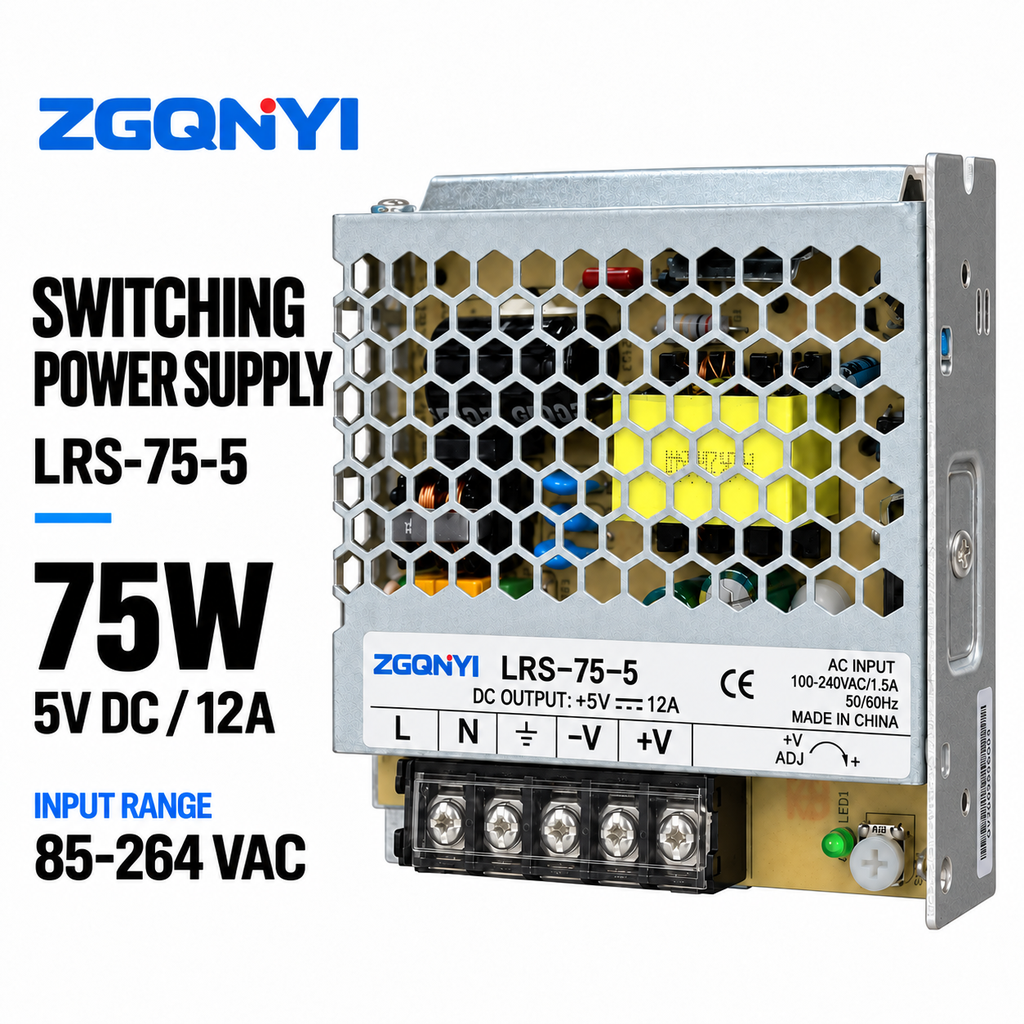
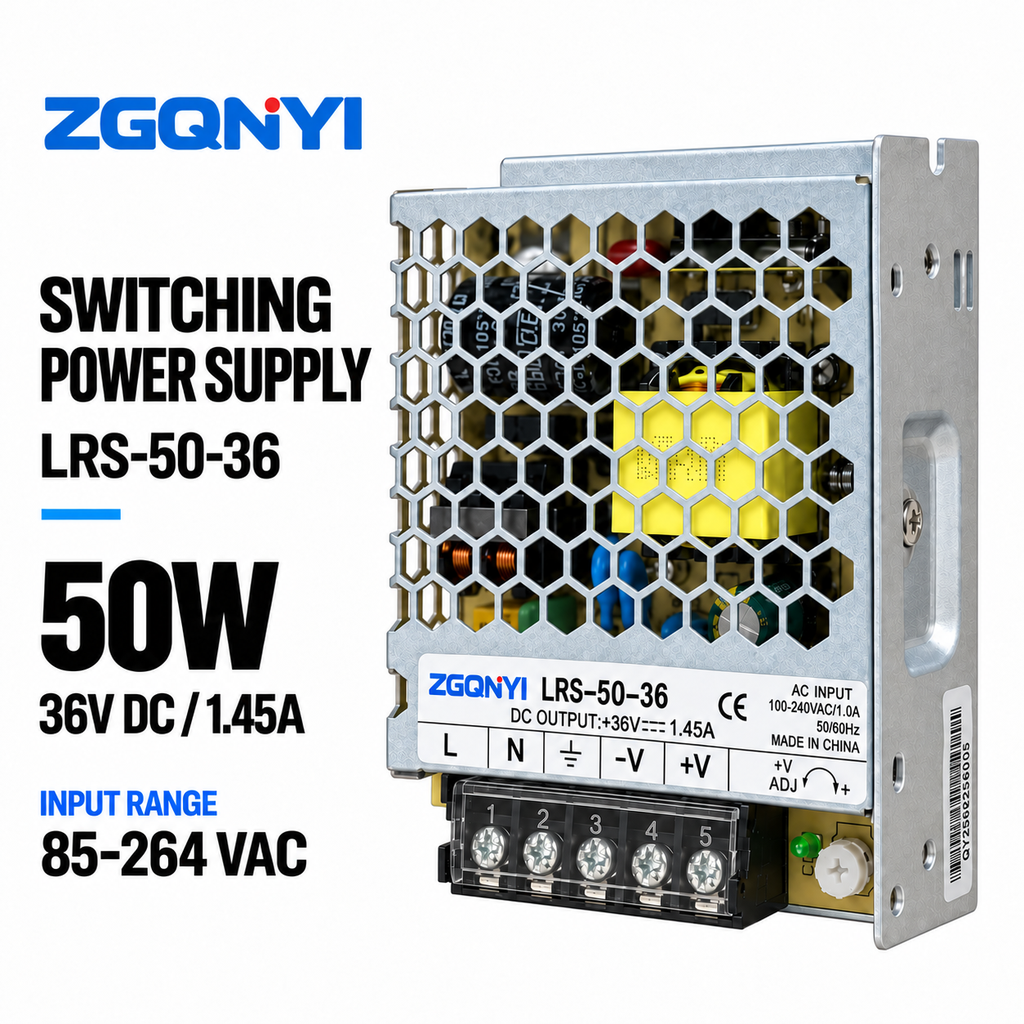
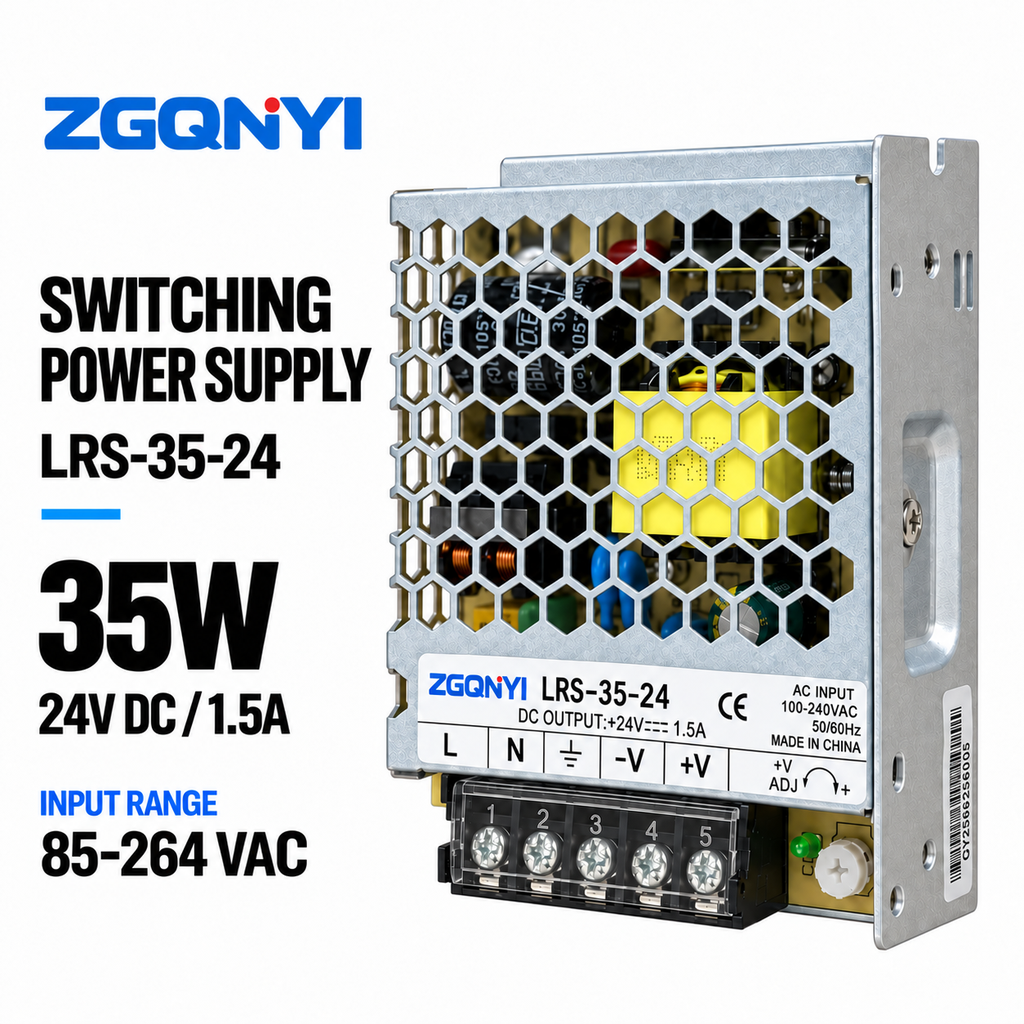
Deploying switch-mode power supplies in the Front Range urban corridor requires specific structural and dielectric compensations driven by altitude, air density, and regional industry dynamics.
Industrial procurement teams and hardware electrical engineers designing systems for Denver, Lakewood, Centennial, Aurora, and Boulder encounter physical electrical constraints rarely observed at sea level. Situated at an altitude of approximately 5,280 feet (1,609 meters) and reaching up to 6,000+ feet across peripheral technology campuses, the Front Range environment features approximately 17% lower atmospheric density and significantly lower relative barometric pressure.
In power supply engineering, thinner air reduces convective heat transfer coefficients and diminishes the dielectric breakdown threshold of air gaps. Standard power units rated strictly for 2,000 meters or sea-level deployment encounter premature thermal aging on electrolytic capacitors or arc-tracking across printed circuit trace clearances when subjected to regional harmonic grid transients.
Paschen’s Law & Front Range Clearance Factor: Because dielectric breakdown potential decreases as air pressure drops, creepage and clearance distances inside AC-to-DC converters must adhere to revised IEC 60664-1 clearance multiplication factors (typically requiring a 1.15× to 1.25× dielectric altitude clearance multiplier) to prevent dielectric corona discharge and sustained flashovers under 480VAC step-down configurations.
Aerospace facilities across Arapahoe County and the Denver Tech Center utilize low-noise, regulated DC bus architectures to power avionics ground testing, radar simulation fixtures, and satellite component test benches requiring total harmonic distortion (THD) under 3%.
Denver’s status as a central Rocky Mountain telecommunication hub demands 24V and 48V DIN rail switching supplies with active Power Factor Correction (PFC > 0.98), maximizing rack energy density and minimizing thermal dissipation across clustered server enclosures.
The I-70 and I-25 logistics arteries feature distribution centers reliant on 24VDC compact units (such as the LRS-50-24 and NDR series) powering multi-tier roller systems, automated optical barcode scanners, and robotic arm picking stations subjected to continuous mechanical vibrations.
With Colorado’s aggressive decarbonization targets, local solar PV integrators and Battery Energy Storage Systems (BESS) require heavy-duty CC/CV switching power supplies for auxiliary inverter logic control panels and continuous precision cell balancing.
How shifting grid dynamics, electrification mandates, and thermal management strategies are restructuring procurement specifications for industrial power converters.
Across the Denver-Aurora-Lakewood metropolitan statistical area, facility engineers are moving away from traditional linear step-down topologies toward highly integrated, digital switched-mode architectures. The driver is not solely efficiency; it is also the rapid implementation of Industry 4.0 IoT analytics. Modern switchgear panels require power supplies that do not simply output steady DC voltage, but can operate within wide universal AC input fluctuations (85VAC–264VAC or 300VAC sustained surges) without tripping upstream protective breakers.
Furthermore, because ambient summer temperatures in industrial warehousing along the eastern Denver plains regularly encounter peak temperatures coupled with high solar loading, standard industrial rectifiers quickly hit critical junction boundaries. Power supplies manufactured with wide-temperature solid-state Japanese capacitors rated for 105°C continuous operation ensure that mean-time-between-failures (MTBF) remains above 300,000 hours, even when operating along high derating curves.
| Topological Architecture | Typical Efficiency | Denver Altitude Derating Factor | Thermal & Acoustic Profile | Primary Industrial Fit |
|---|---|---|---|---|
| LRS Enclosed Series (35W–500W) | 88% – 92% | De-rate output current by 10% above 2,000m unless forced-air assisted | Ultra-compact, low acoustic noise, natural convective airflow through honeycomb mesh | Robotics control boxes, 3D additive manufacturing, architectural LED arrays |
| NDR / DR DIN Rail Series | 85% – 90% | Standard clearance engineered to 3,000m; de-rate ambient operating ceiling by 5°C | TS-35 rail mountable, heavy cold-rolled metal casing, high shock/vibration tolerance | Standardized NEMA automation cabinets, sub-stations, process logic racks |
| High-Power CC/CV Series (1kW–18kW) | 93% – 96% | Integrated active dual-ball bearing fans with dynamic RPM altitude compensation | Heavy-duty active PFC stage, internal temperature-controlled fan cooling, digital RS485 bus | Water treatment electrolysis, hard-chrome plating tanks, EV fleet battery stations |
| IP67 Waterproof Potted Series | 90% – 94% | Thermal conduction via silicone potted potting compound; low ambient air reliance | Hermetically sealed, zero air exchange, resilient against freeze-thaw condensation | Outdoor transit signage, oil & gas telemetry rigs, harsh aggregate mining plants |
Front Range industrial parks often experience localized voltage sags during high summer air-conditioning peak cycles. Our wide input ranges (85–264VAC) prevent unpredicted control-cabinet reboot drops.
Xcel Energy industrial commercial rate structures enforce penalties for low power factor. Integrated Active PFC circuits maintain power factors >0.95, significantly slashing system apparent power demand.
Short-circuit protection (Hiccup mode auto-recovery), output over-voltage clamping, and smart internal thermal shutdown circuits safeguard valuable industrial downstream logic modules.
Direct factory accountability, automated high-throughput SMT lines, and an 18-year legacy in power conversion engineering supporting global tier-1 buyers.
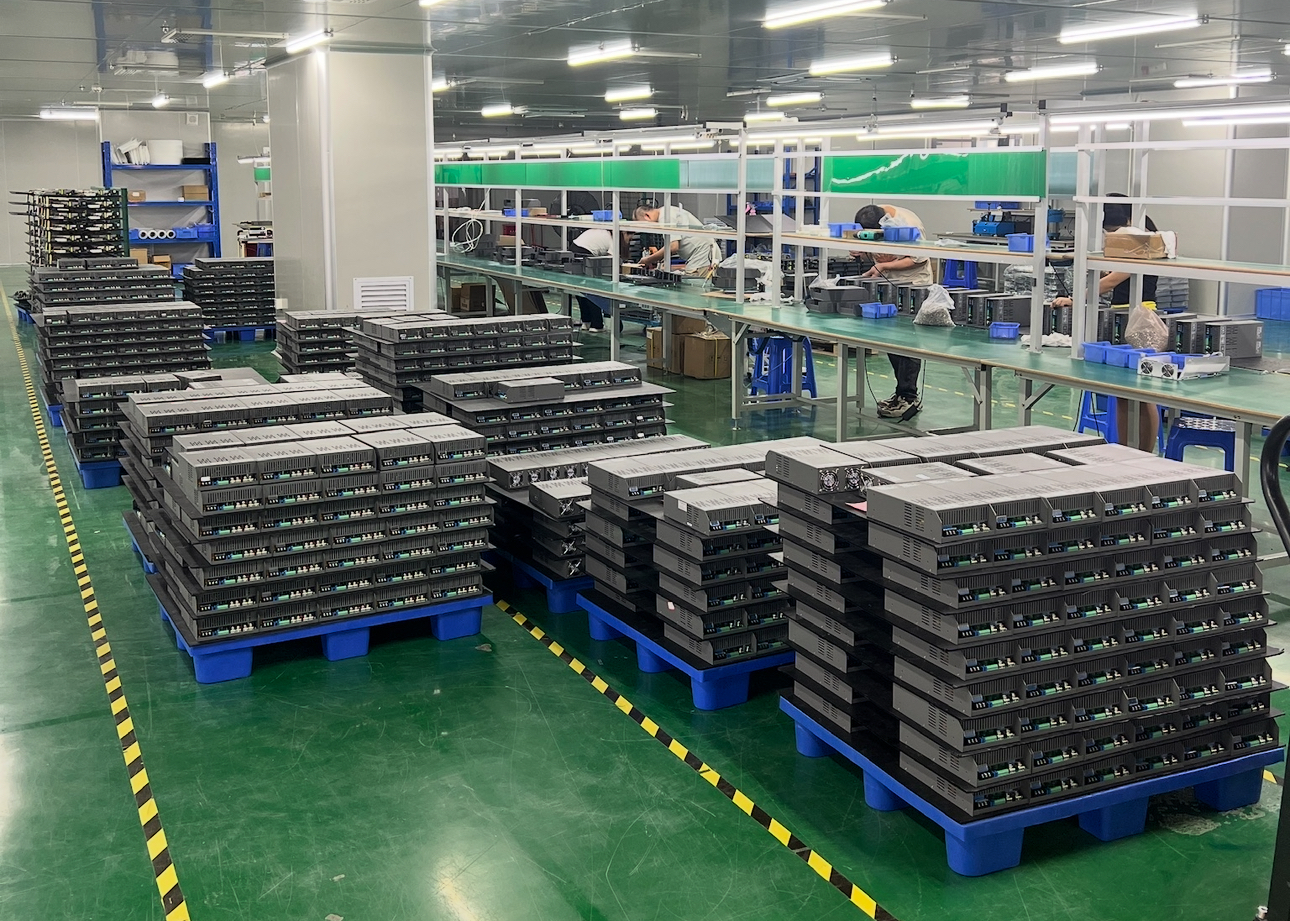
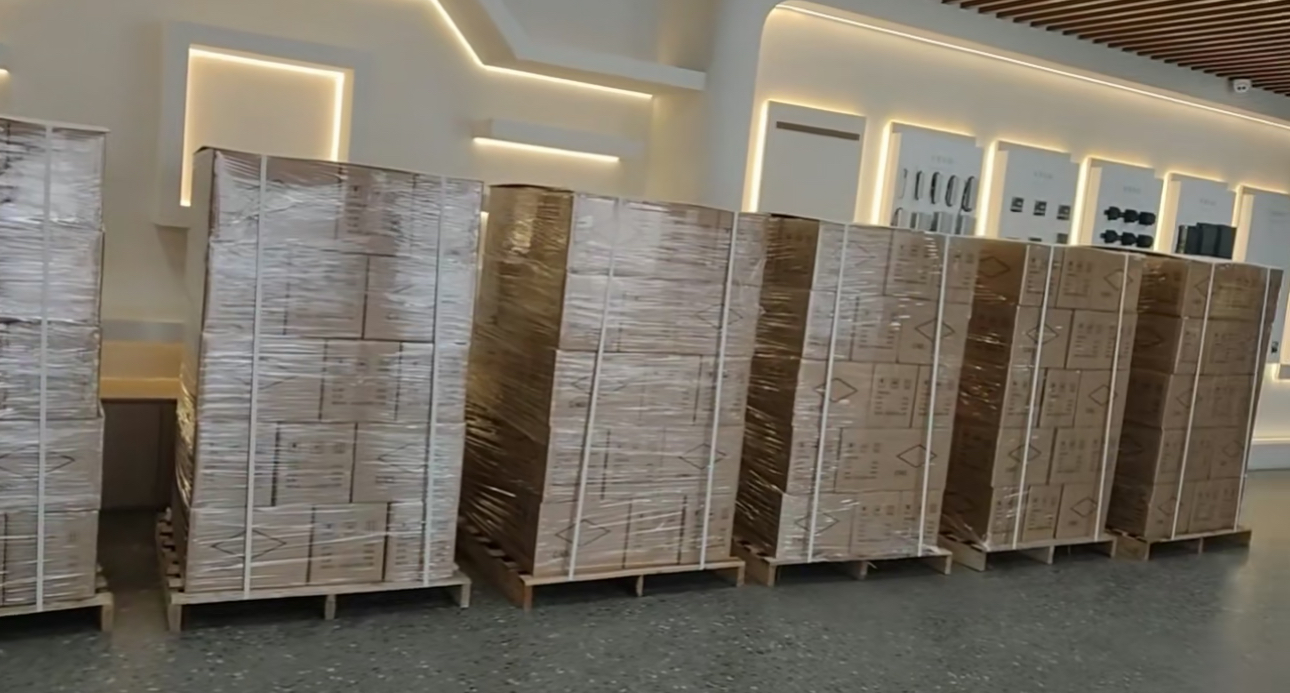
Wenzhou Nuvros Electric Co., Ltd. operates state-of-the-art facilities located in Beibaixiang Town, Wenzhou—the core nexus of China’s advanced electrical manufacturing industry. Encompassing over 10,000 square meters of production, R&D, and testing floors, our infrastructure bridges the gap between scalable high-volume production and precision custom engineering.
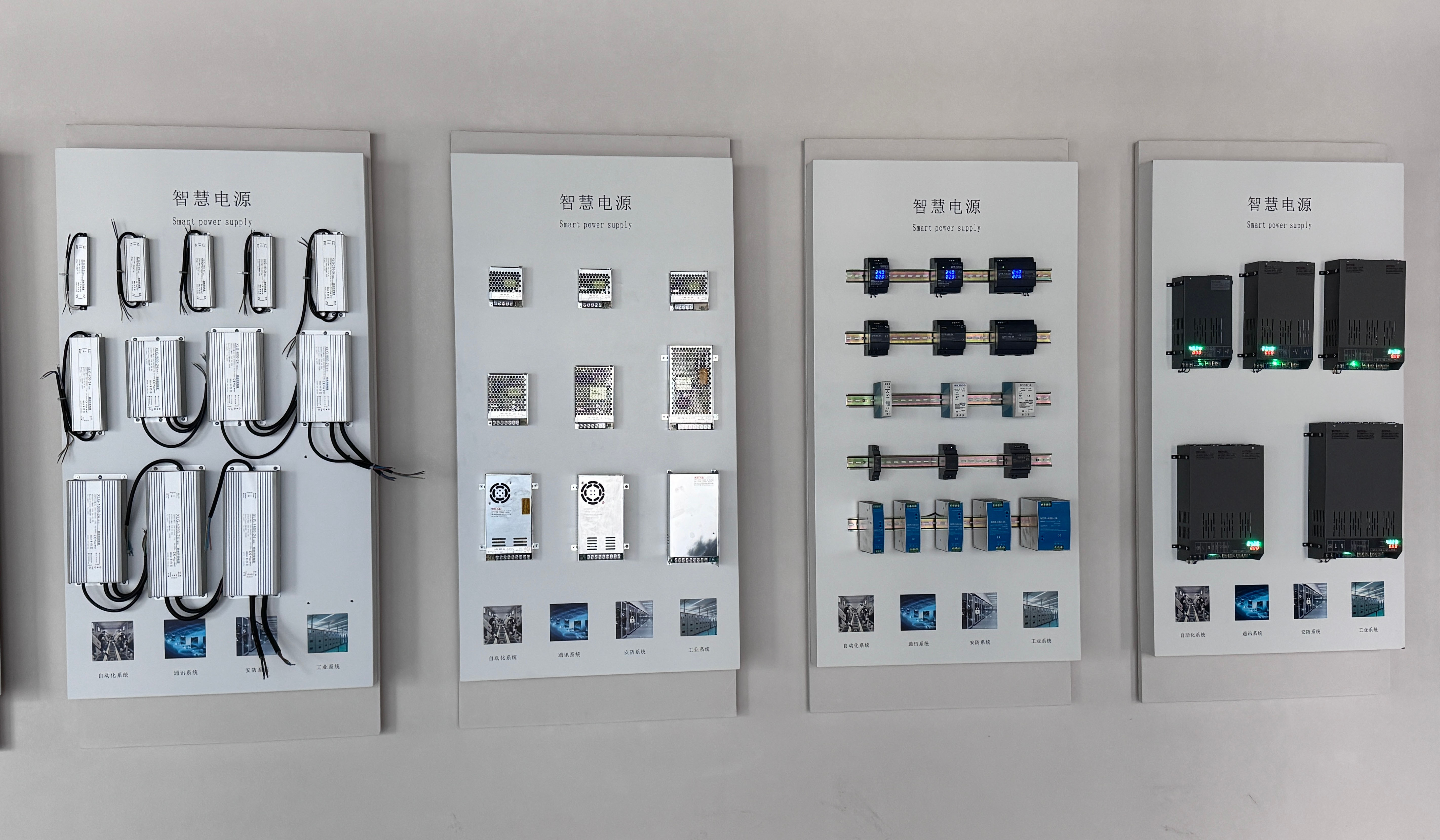
Our monthly output exceeds 500,000 units across 1,000+ standard models, including low-profile enclosed switching supplies, TS-35 DIN rail units, digital-display power sources, and ultra-high-power CC/CV rectifiers up to 18kW. Every product leaving our facility undergoes automated SMT assembly, selective wave soldering, multi-stage automated optical inspection (AOI), and 100% full-load thermal burn-in under dynamic cycling.


Clear, technical answers to critical procurement, installation, environmental derating, and commercial trade questions.
Whether designing high-density PLC control cabinets in Lakewood, upgrading regional transit signage, or specifying high-power electrochemistry DC rectifiers in Denver, connect directly with our power supply application specialists today.